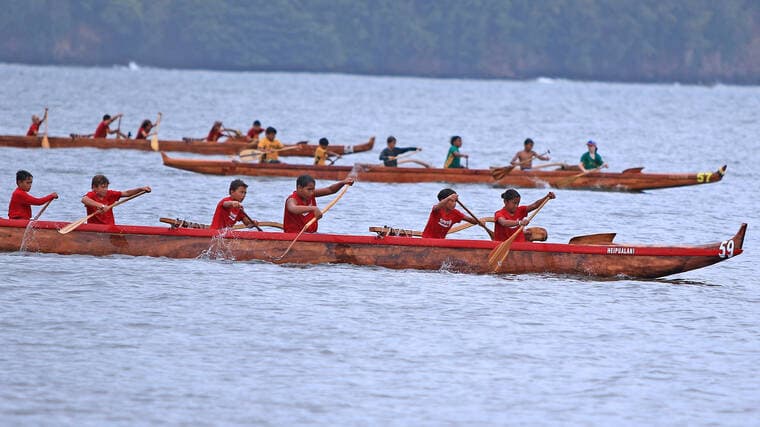
Ho‘ā Wailoa aims to deepen Hilo community ties to Piopio and Wailoa
Ho‘ā Wailoa turns Wailoa into a living cultural space, pairing talk-story and art-making to reconnect Hilo families with Piopio’s history and meaning.
What Ho‘ā Wailoa is trying to do
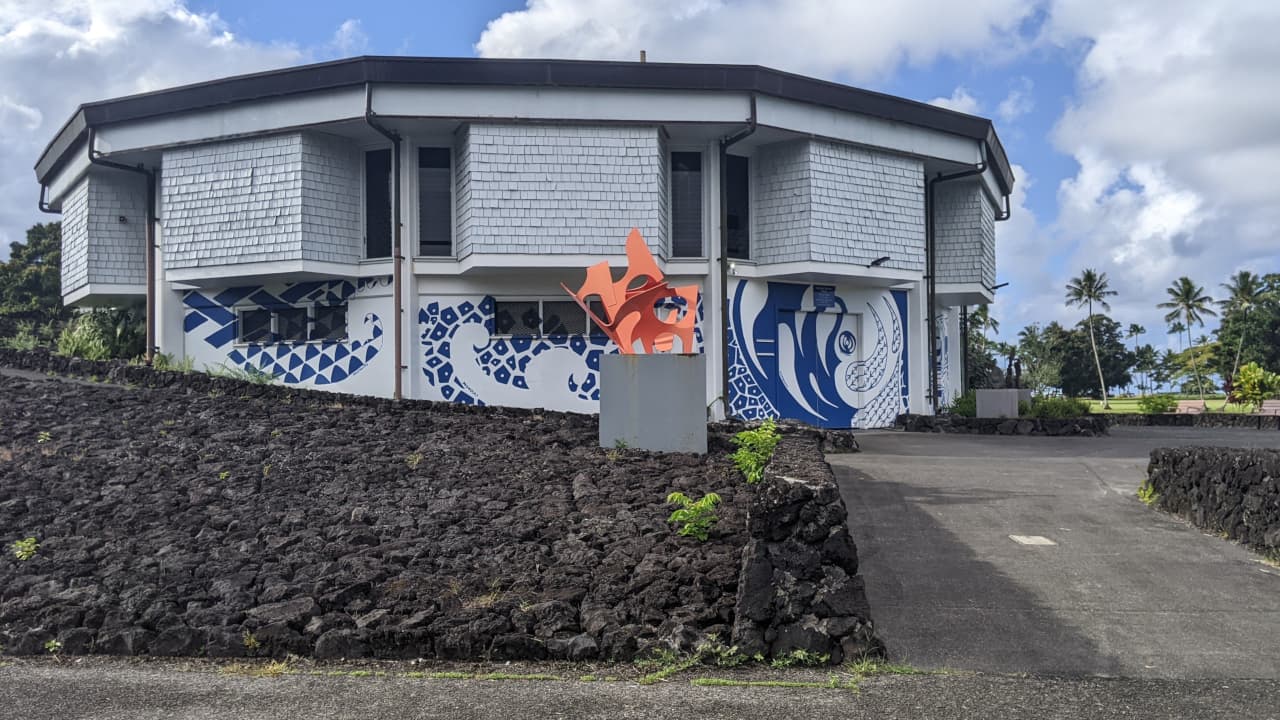
Ho‘ā Wailoa is being introduced as more than a single arts event. Hawai‘i Island Art Alliance is using the new series, supported by a Kamehameha Schools Kaiāulu grant, to bring people back into Wailoa Center and into a deeper conversation about Piopio, the Wailoa River wetland area, through storytelling, art, and shared experience.
That approach gives the program a clear community purpose: it treats Wailoa as a living cultural space, not just a venue for exhibits. It also fits the center’s own identity, because Wailoa Center says it is located in Piopio and the Wailoa River State Recreation Area in Hilo, and describes itself as Hawaii Island’s largest venue for showcasing local and international artists.
The center’s scale matters here. With a Main Gallery, a Fountain Gallery, and an Educational Space, plus capacity for up to 24 exhibits a year and a range of community events, Wailoa already functions as a public gathering place. Ho‘ā Wailoa is designed to push that role further by turning attendance into connection, memory, and participation.
The first conversation centers the history of the place
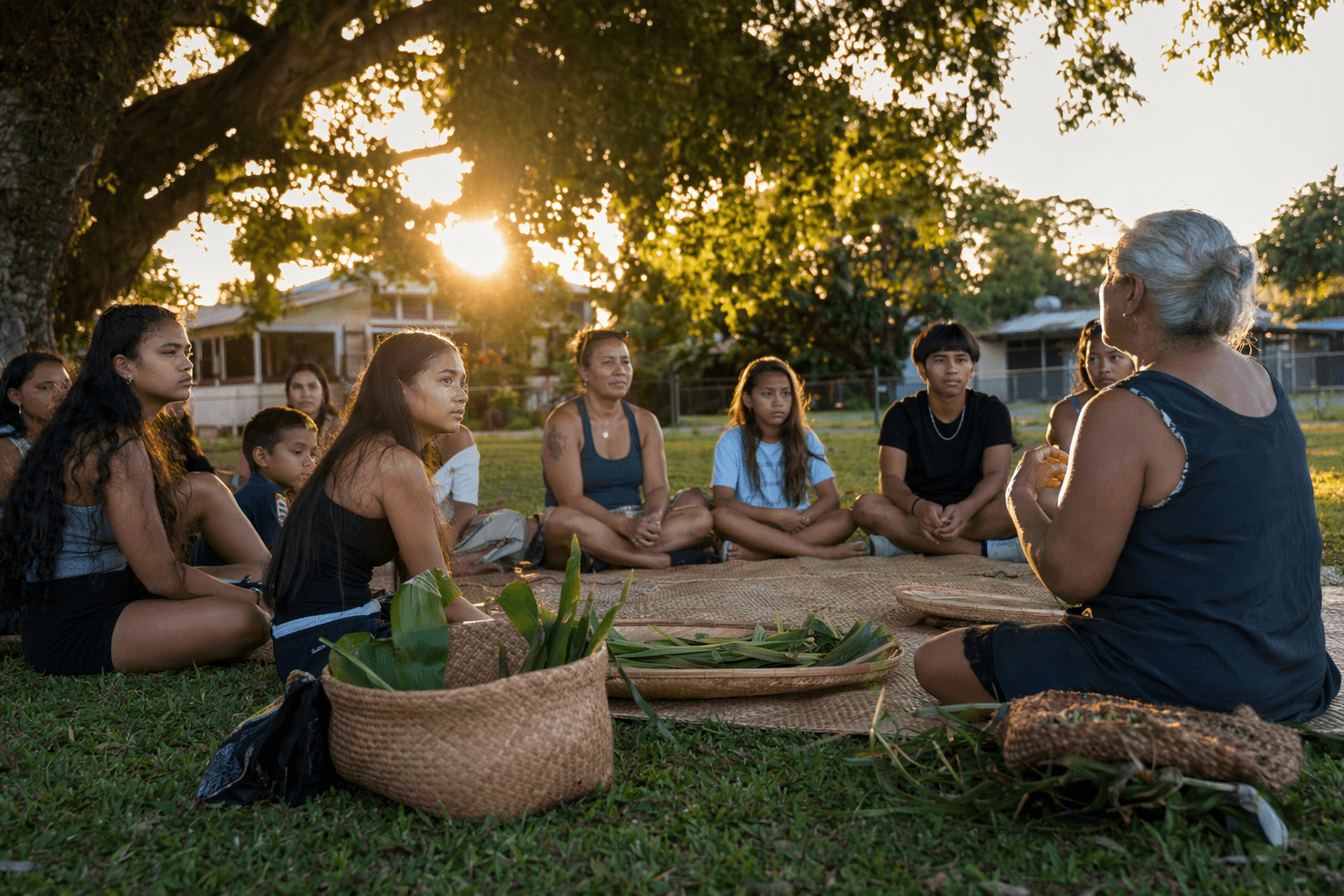
The series opened with a talk-story session on Thursday, April 30, from 5:30 to 7:30 p.m. HST. The conversation features Lokelani Brandt, Dr. Keahi Warfield, and Leslie Lang, giving the public a chance to hear historical and cultural knowledge about Piopio from people guiding the discussion.
That first gathering is important because it sets the tone for the rest of the project. Instead of asking people to simply admire artwork, Ho‘ā Wailoa asks them to understand the ground beneath the art center, the wetland, the bayfront setting, and the layered history that shaped the site.
The Wailoa Center history page also notes that the area near the center was once the bustling community of Shinmachi. That detail adds another layer to the story, reminding visitors that the space now used for exhibitions and events once sat beside a neighborhood with its own daily life, rhythms, and social memory.
Ohana Art Day gives that history a hands-on form
The next major gathering is Ohana Art Day, scheduled for Saturday, May 16, from 10 a.m. to 1 p.m. This event is built to be practical and welcoming, with local artist and block printer Mālie Moana leading the creative activity and attendees encouraged to bring items they want to block print.
That setup makes the day feel accessible rather than formal. Because the event is free and open to the public, families and residents can take part without needing prior museum-style familiarity with the space, and the activity itself turns history into something people can hold, print, and take home.
Organizers also plan to announce a Keiki Art Contest on May 16, inviting original artwork inspired by the stories of Wailoa and Piopio. That piece of the program is especially significant because it connects historical reflection with youth creativity, helping place-based knowledge move from one generation to the next instead of staying in archives or lecture halls.
Why Piopio and Wailoa matter beyond the art center
The setting for Ho‘ā Wailoa carries unusual historical weight. State materials say the Wailoa River State Recreation Area was created in 1962 as a 132-acre green zone after the 1960 Hilo tsunami, and that Wailoa Center, a tsunami memorial, a veterans memorial, and a statue of Kamehameha were added as part of that post-tsunami landscape.
That history matters because it explains why Wailoa is more than a scenic site on Hilo Bayfront. The area was shaped by disaster recovery, public memory, and civic building, which means every new program there sits inside a larger story about how Hilo rebuilt and how the community chose to remember.
Piopio’s own history reaches even deeper. Historical writing describes it as a rich wetland where early Hawaiians built loko ia and loi that supported Hilo chiefs for generations. That context turns the Ho‘ā Wailoa series into something more than cultural programming, because it invites residents to see the land as an active source of sustenance, knowledge, and responsibility.
In that sense, the project arrives at the right moment. It gives Hilo a way to reconnect with a place that carries ecological value, ancestral memory, and civic history all at once, while offering a space where keiki, families, artists, and kūpuna can all meet on common ground. Ho‘ā Wailoa is trying to restore that relationship one conversation and one print at a time.
This article was produced by Prism’s automated news system from verified source data, official records, and press releases, then run through automated quality and moderation checks before publishing. The system is built and supervised by the people who set the standards it runs under. Read our full AI policy.
Did this article answer your question?