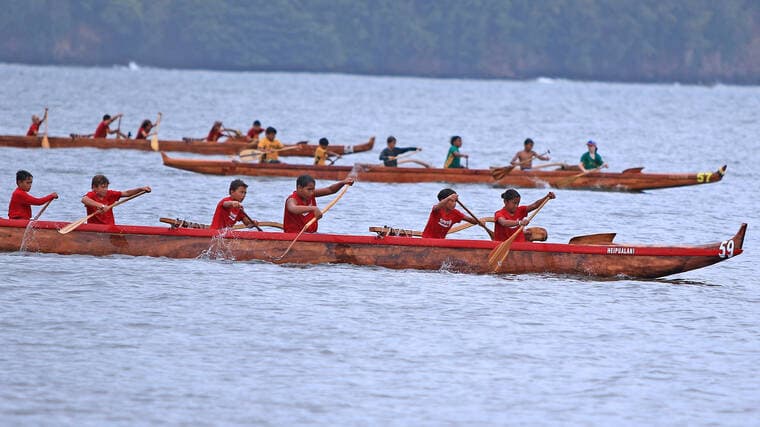
HTA Grants $489K to 11 Community Projects Supporting Big Island Stewardship
Hawaiʻi Tourism Authority awarded roughly $489,000 to 11 community projects to support stewardship and conservation on the Big Island and statewide.
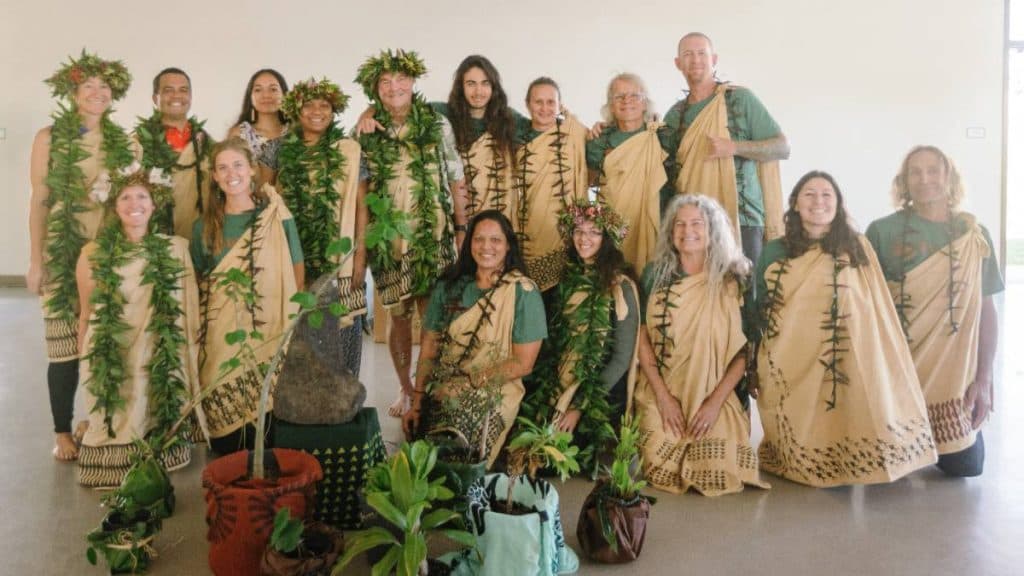
The Hawaiʻi Tourism Authority awarded roughly $489,000 to 11 community projects through the Kahu ʻĀina destination stewardship program, directing visitor-generated funds back into local conservation and cultural efforts. The awards, announced January 27, 2026, will help fund community-led initiatives that protect natural and cultural resources while engaging residents and visitors in stewardship.
Several projects on Hawaiʻi Island are included among the recipients. Notable local efforts receiving support include an ʻulu agroforestry revival in Waipiʻo Valley and the Waikōloa Dry Forest Initiative. The Kahu ʻĀina program explicitly targets ʻāina-kānaka projects - work that connects land and people - with grants intended to underwrite hands-on restoration, native planting, and visitor education activities that relieve pressure on high-use sites.
The $489,000 total breaks down to about $44,454 per project on average, though individual awards will vary by scope. For Big Island communities, that level of funding can finance initial phases of labor-intensive restoration, purchase of native seedlings and materials, or modest interpretive infrastructure that channels visitor behavior away from sensitive habitats. For grassroots groups that rely on volunteers and small budgets, even grants in the tens of thousands of dollars can change a project from aspirational to operational.

The HTA’s use of visitor-generated funds to pay for stewardship signals a policy shift toward internalizing some environmental costs of tourism. Reinvesting these funds can preserve the island’s natural capital, which underpins visitor demand and local livelihoods. From an economic perspective, protecting coral reefs, native forests and cultural sites is a form of asset maintenance that helps sustain future tourism receipts and avoids larger public expenditures for emergency remediation.
Local market implications include potential improvements in destination quality that support higher-value, lower-volume tourism models favored by community stakeholders. Projects that engage visitors in volunteer restorations or interpretive experiences also create nonmarket benefits: increased awareness of Hawaiian cultural practices, more predictable visitor flows, and reduced management burdens on state and county agencies. Over time, successful community stewardship can contribute to resilience against climate-related shocks that would otherwise impose costs on residents and the visitor economy.

Execution and accountability will determine the long-term return on this investment. Hawaiʻi Tourism Authority and participating groups will need to demonstrate measurable outcomes - plant survival rates, acres restored, or visitor participation counts - to justify continued reinvestment of visitor-generated funds. For Big Island residents, the grants mean more local capacity to care for wahi pana (storied places) and practical support for projects that blend cultural practice with ecological restoration. As these projects move from planning to on-the-ground work, residents can expect visible habitat improvements and new opportunities for community involvement in stewardship.
This article was produced by Prism’s automated news system from verified source data, official records, and press releases, then run through automated quality and moderation checks before publishing. The system is built and supervised by the people who set the standards it runs under. Read our full AI policy.
Did this article answer your question?