Hulihee Palace offers a window into Kailua-Kona's royal past
Hulihee Palace turns Alii Drive’s shoreline into a readable history lesson, with royal-era rooms, Victorian artifacts, and a compact scale you can actually take in.
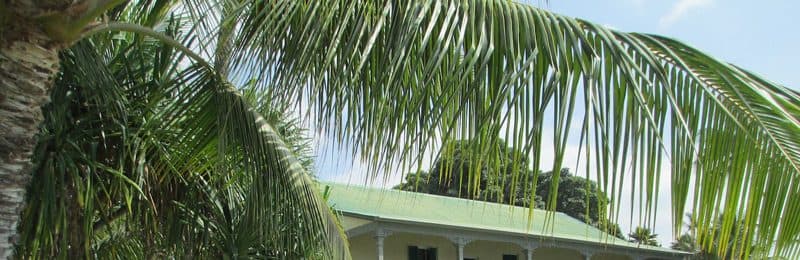
Hulihee Palace sits where Kailua-Kona’s busiest historic corridor meets the water, and that location is part of the experience. On Alii Drive at the edge of Kailua Bay, the former royal summer home gives you a tighter, more tangible view of Hawaii Island’s monarchy era than a walk along the waterfront ever could.
A royal landmark built for Kona, not spectacle
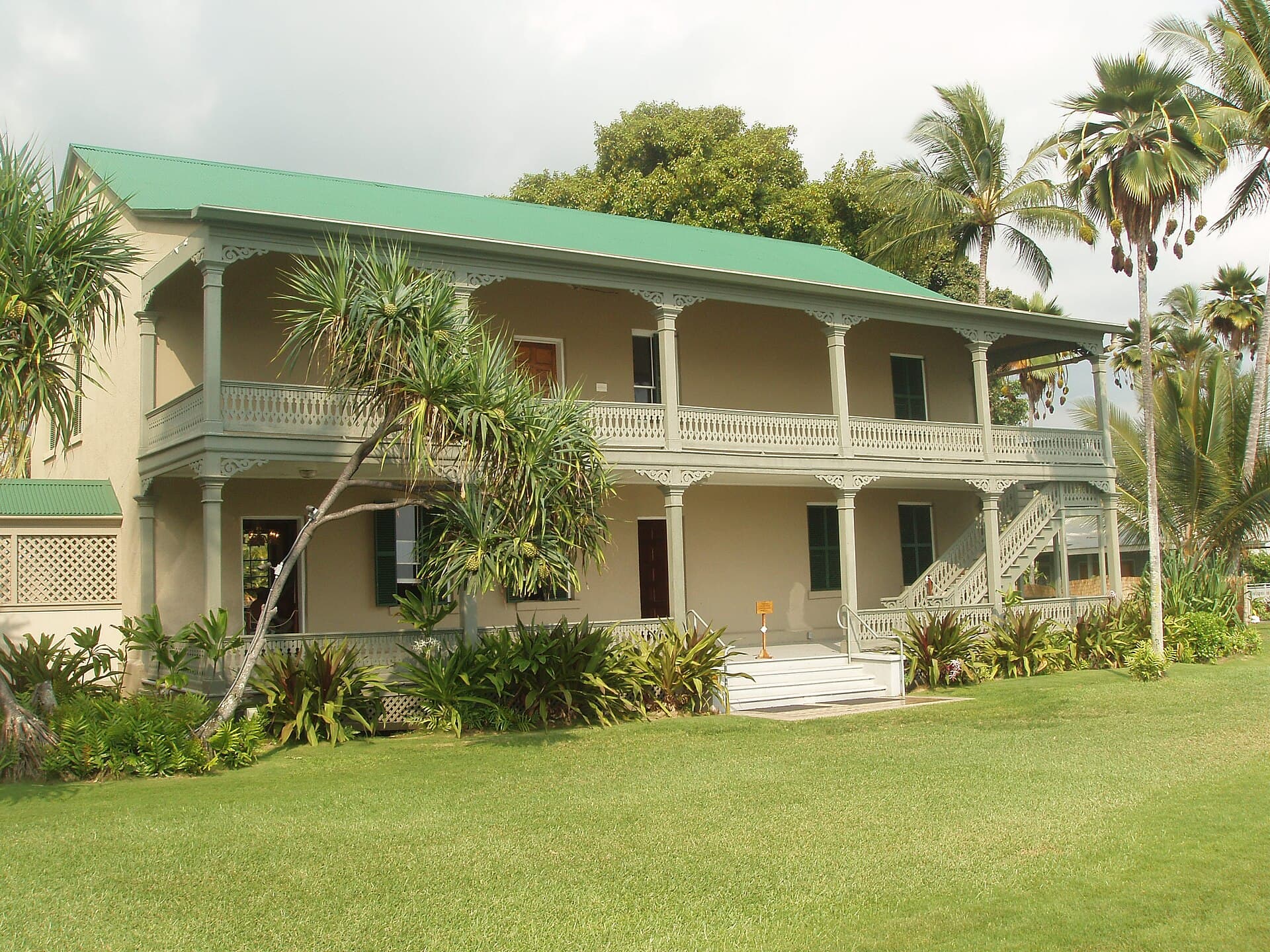
Hulihee was built in 1838 by High Chief John Adams Kuakini, the governor of Hawaii Island during the Kingdom of Hawaii. Its rubble lava-rock construction immediately sets it apart from the larger palaces associated with Oahu, and the building’s scale is modest enough to read as an island residence rather than a ceremonial showpiece.
The historic record describes the structure as a simple rectangular building about 62 feet by 32 feet, with a 13-foot rear lanai, a basement, two stories and an unfloored attic. That physical layout matters for visitors now because it makes the palace legible in a way that many larger historic properties are not. You can stand close to the walls, understand how compact royal life could be, and see how a residence on a working coastal street connected governance, travel and daily life in old Kona.
What you see inside is the point
The state parks system identifies Hulihee as a former summer vacation home for Hawaiian royalty, now operating as a museum that showcases Victorian artifacts from the era of King David Kalākaua and Queen Kapiolani. That means the stop is not just about architecture. It is about how the Hawaiian monarchy lived, furnished rooms and presented itself during a period when the kingdom was balancing tradition, diplomacy and changing material culture.
The Daughters of Hawaii, founded in 1903, care for the site and say Hulihee was used by more Hawaiian royalty than any other residence in Hawaii. Their stewardship gives the palace a practical museum identity: koa wood furniture, ornaments, portraits, tapa, feather work, Hawaiian quilts and other royal-era objects remain part of the visitor experience. For a local or a first-time visitor, that is the difference between looking at a historic building from the street and understanding how it functioned as a lived-in royal space.
The stewardship story is as important as the building
The palace’s preservation history is a central part of why it remains accessible today. The Territory of Hawaii acquired Hulihee in 1925 through the efforts of the Daughters of Hawaii, then placed it under their care in 1927 so it could operate as a museum. A major restoration followed that same year by the architects Rothwell, Kangeter and Lester, and the museum opened to the public with a dedication ceremony on Kamehameha Day, June 11, 1928.
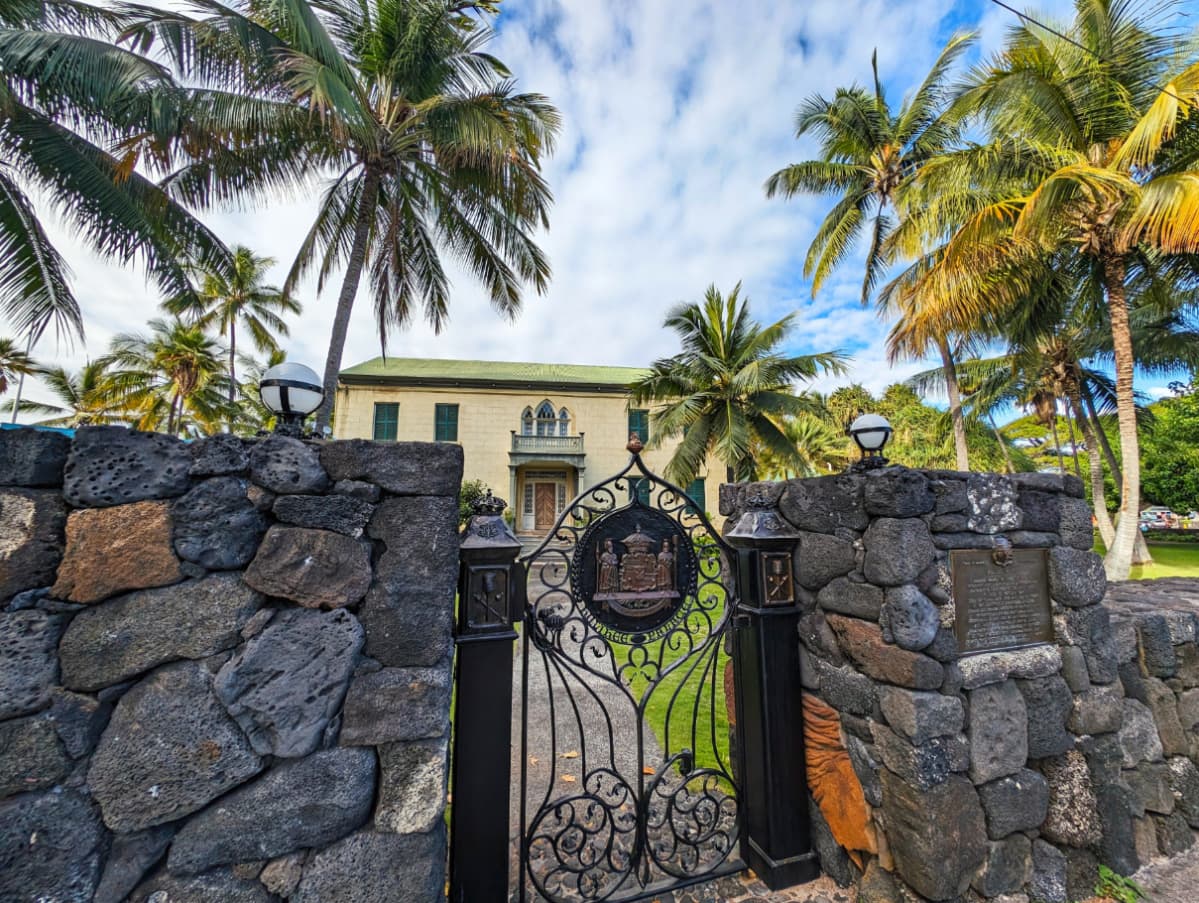
That timeline tells you something important about how historic places survive in Hawaii: they do not remain intact by accident. Hulihee endured because preservation advocates, territorial authorities and later state managers treated it as something worth saving and interpreting. The palace was later listed on the National Register of Historic Places in 1973, reinforcing its preservation value and placing it within the broader national framework for historic protection.
Royal life becomes concrete here
Hulihee also makes the monarchy era feel immediate because the property’s royal history is personal and specific. After passing through several royal hands, it became associated with figures including William Pitt Leleiohoku I and Princess Ruth Keelikōlani. Historical accounts note that Princess Ruth preferred to sleep in a hale pili on the grounds rather than in the palace itself, a detail that says as much about Hawaiian domestic custom as it does about royal preference.
That kind of fact is what makes a visit worthwhile now. Instead of flattening the period into a generic “royal past,” Hulihee shows how Hawaiian royalty lived on the island, how residence and grounds could be used differently, and how a place on Kona’s shoreline carried both political and cultural weight. In a corridor dominated today by traffic, shops and visitor movement, the palace preserves a version of Kailua-Kona that still explains why the district mattered in the first place.
How to visit now
Hulihee Palace is open for self-guided tours Wednesday through Saturday. Current state-park visitor fees are listed at $8 to $10 for adults, $6 to $8 for kamaāina and $1 for children. Reservations are handled through the Daughters of Hawaii, which keeps the museum operating as a public site rather than a closed preservation project.
The practical value of going now is that the visit is compact, affordable and directly tied to place. You can move from Alii Drive into a house that still reflects the scale of royal residence on Hawaii Island, then step back outside to the same bayfront corridor that has always shaped life in Kailua-Kona. That is what Hulihee offers that the waterfront alone cannot: a clear, physical connection between modern Kona and the island’s royal-era past.
This article was produced by Prism’s automated news system from verified source data, official records, and press releases, then run through automated quality and moderation checks before publishing. The system is built and supervised by the people who set the standards it runs under. Read our full AI policy.
Did this article answer your question?