Japan quake prompts Hawaii tsunami monitoring, no threat to Big Island
A 7.4 quake off Japan pushed Hawaii’s warning network into full monitoring mode, but PTWC said no tsunami threat reached the Big Island.
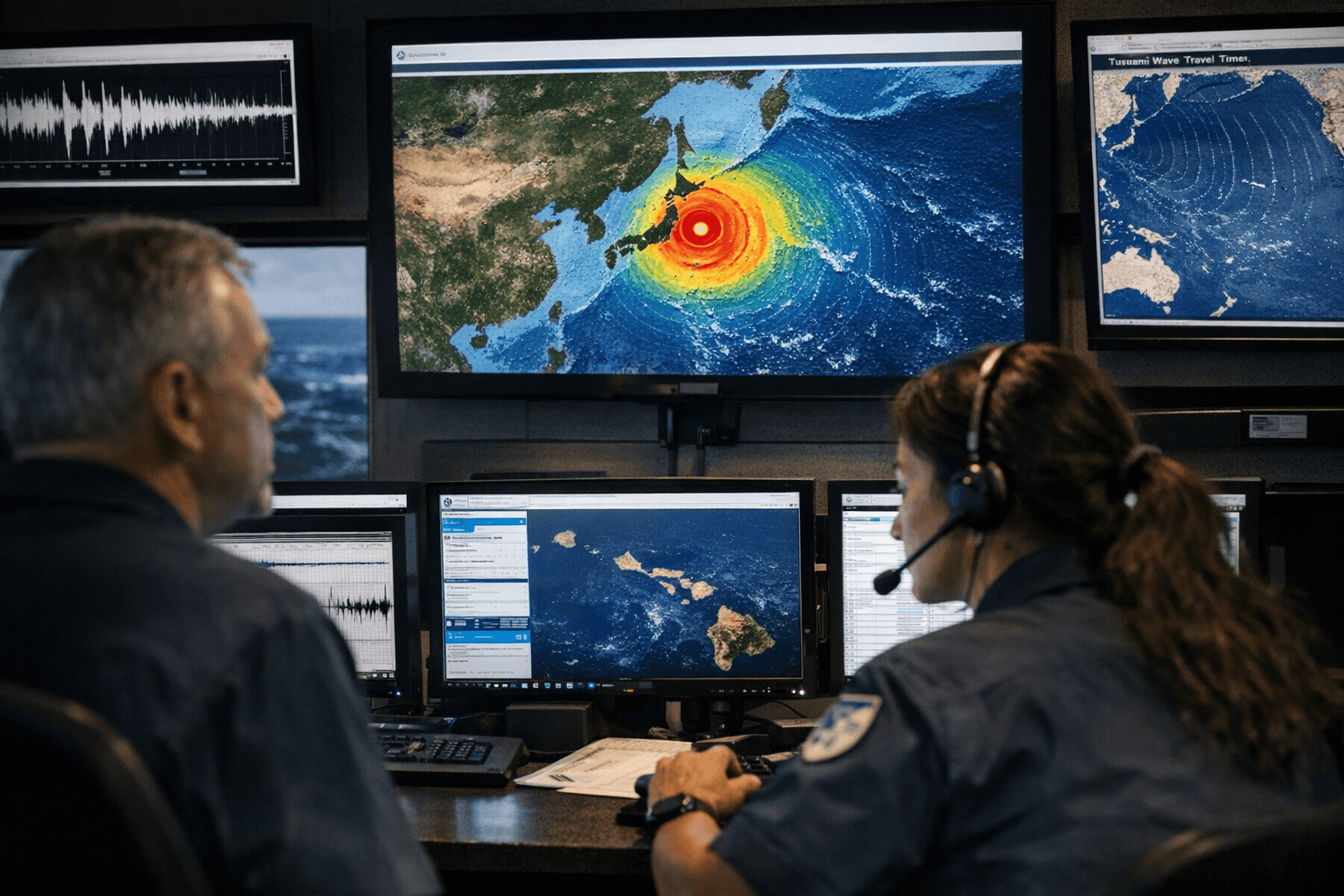
The Pacific Tsunami Warning Center said late Saturday that a strong earthquake off Japan did not pose a tsunami threat to Hawaii, even as the state’s alert system stayed in monitoring mode for Big Island County and the rest of the islands.
Tsunami Information Statement No. 2 went out at 10:46 p.m. HST on April 19, after a preliminary magnitude 7.4 quake struck off the east coast of Honshu, Japan, at 9:53 p.m. HST. The center said no destructive Pacific-wide tsunami was expected, there was no tsunami threat to Hawaii, and the statement was the final one unless additional data were received.
For Hawaii, the chain of responsibility is clear when an ocean-wide quake raises concern. The Pacific Tsunami Warning Center is the official tsunami warning authority for the state. If a warning ever escalates, each county handles evacuations and issues the all-clear, while the Hawaiʻi Emergency Management Agency coordinates the first statewide siren. Later sirens fall to county officials.
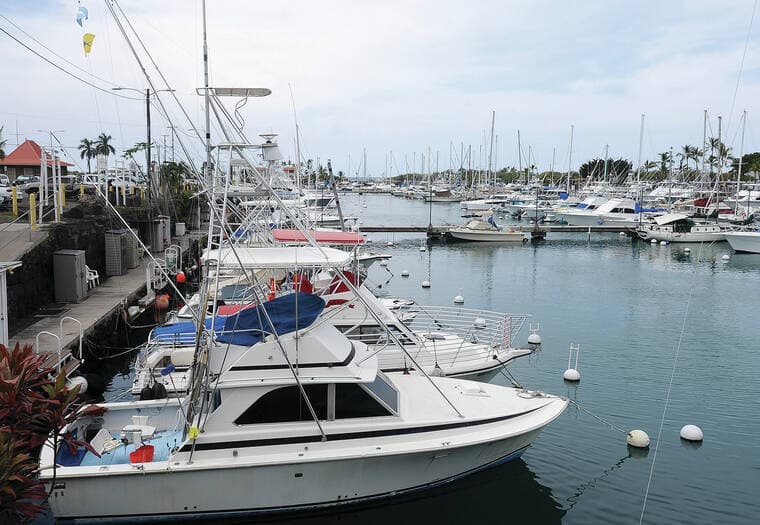
That matters on the Big Island, where coastal communities from Hilo Bay to the Kona coast depend on fast notification and even faster decisions. Hawaii also uses the statewide outdoor warning siren system, Emergency Alert System broadcasts and Wireless Emergency Alerts to reach people if an event turns from monitoring into action. The practical message is simple: keep an ear on official radio, television and cellphone alerts, because the guidance can change as more data comes in.
The April quake landed during Tsunami Awareness Month in Hawaii, a time officials use to remind residents how quickly distant-source waves can threaten the islands. The state has pointed to the April 1, 1946 tsunami, which killed 158 people in Hawaii before a modern warning system existed, as the disaster that helped spur creation of the U.S. Seismic Sea Wave Warning System in 1949, now known as the Pacific Tsunami Warning Center.
Hawaii’s current system is built around that lesson. Even when the first assessment says no threat, the warning network keeps checking until the ocean says otherwise. For Big Island residents, harbors, coastal businesses and emergency managers, that rapid confirmation is the difference between a brief alert and a full-scale evacuation order.
This article was produced by Prism’s automated news system from verified source data, official records, and press releases, then run through automated quality and moderation checks before publishing. The system is built and supervised by the people who set the standards it runs under. Read our full AI policy.
Did this article answer your question?