Kahaluu Bay reef rebounds after decade of restoration work
After 10 years of closures and ReefTeach work, Kahaluu’s cauliflower coral is back in the hundreds or thousands, and last month’s milky spawning event showed the reef is reproducing.
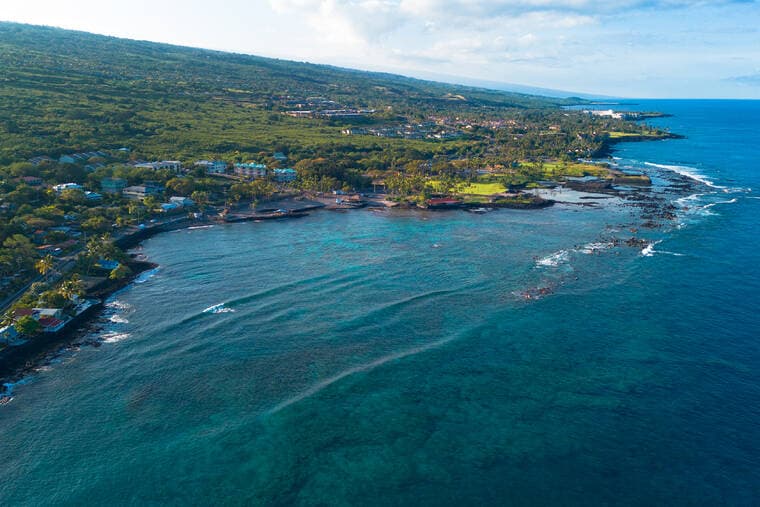
Kahaluu Bay’s shallow reef is showing the kind of recovery that was hard to imagine a decade ago, when warm water, bleaching and heavy visitor pressure had left the once-dominant cauliflower coral nearly wiped out. What began as a reef in crisis has become a case study in whether tightly managed rest periods, education and local enforcement can bring back a shoreline reef used by hundreds of thousands of people each year.
The warning signs were stark. The Kohala Center says about 90% of Kahaluu’s cauliflower coral was lost after severe marine heat waves in 2015 and again in 2019. By 2017, county material said only six mature colonies were left in the bay. Today, Hawaii County and The Kohala Center say the reef has hundreds, possibly thousands, of cauliflower coral colonies again, and in 2025 the county said thousands of juvenile corals had been found repopulating the area, including some spawning for the first time.

Last month offered the clearest sign yet that the recovery is real. During a coral spawning event, the water in Kahaluu Bay reportedly turned milky white, and visibility dropped to just a few feet. Kathleen Clark, the Kohala Center’s coastal stewardship manager, said the amount of spawning was more than observers could count and that she had never seen such a dense event in her time there.
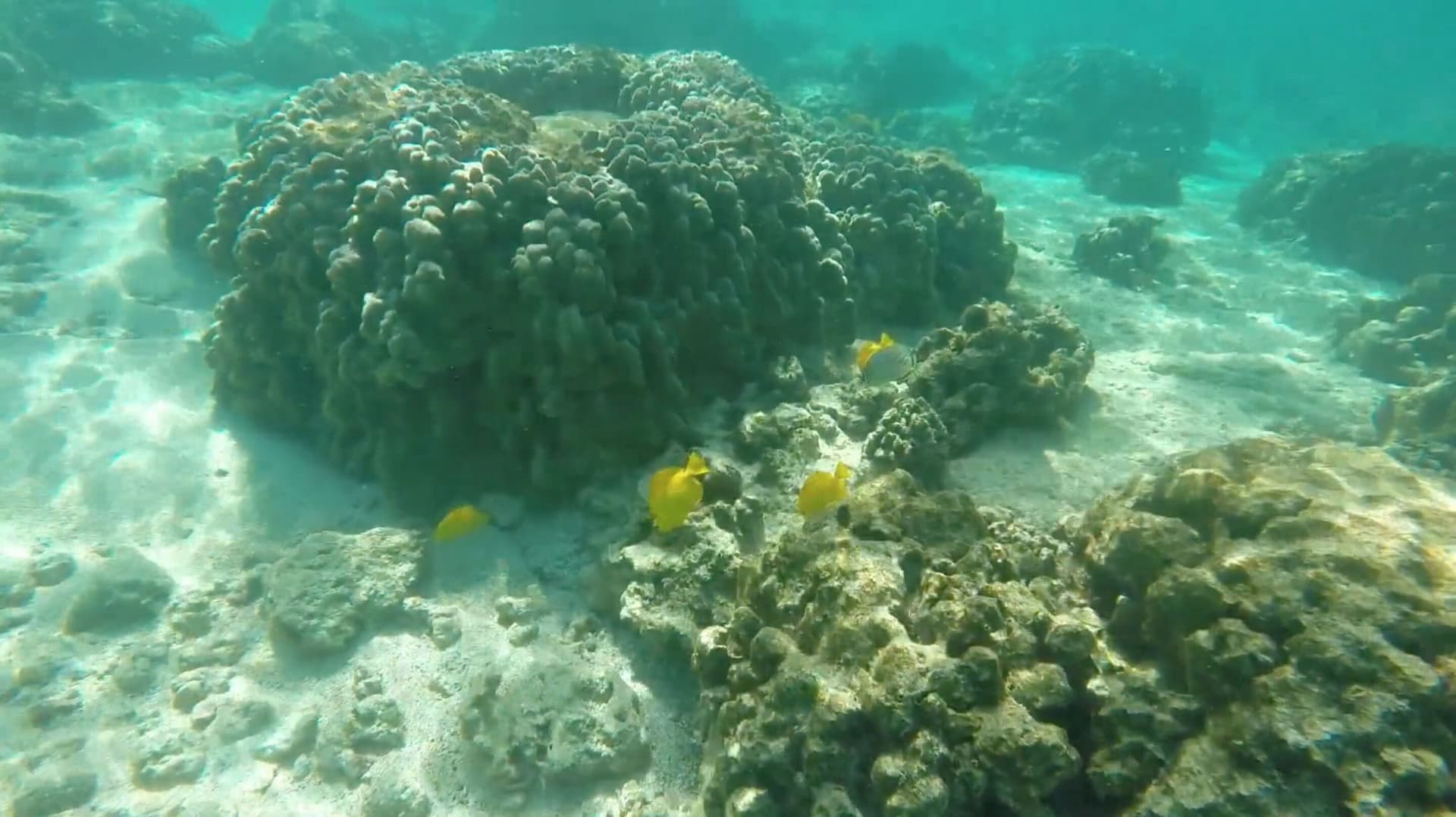
The turnaround did not happen by chance. Annual coral spawning rest periods were first established in 2018, after staff and volunteers used kilo, or careful observation, to track the surviving corals and pressed for a seasonal break to give them room to reproduce. The county initially hesitated, but the results have strengthened the case for the closure strategy. This year, Kahaluu Beach Park was closed from May 1 through May 10 and reopened May 11 to protect cauliflower coral reproduction.

Kahaluu matters far beyond one bay in Kailua-Kona. The Kohala Center says it is part of the longest interconnected coral reef in the Main Hawaiian Islands and serves as a nursery where juvenile marine life grows before spreading to reefs along the coast. Mission Blue says the reef also supports endemic species such as the āloiloi, or domino damselfish, while helping provide coastal protection and biodiversity.
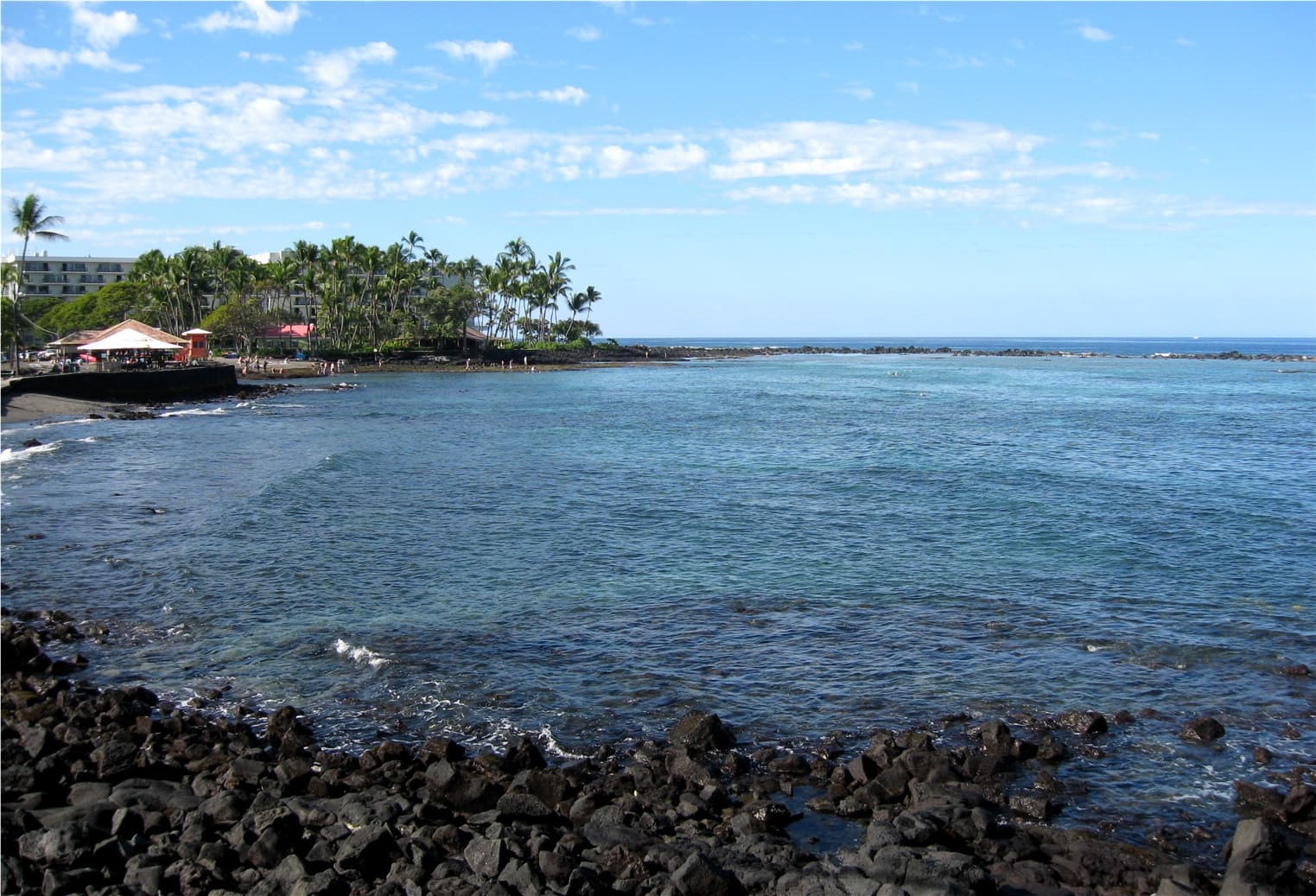
The restoration effort has also expanded into ReefTeach, with visitor education, a sea level rise study, sunscreen legislation advocacy and a stewardship fee tied to paid visitor parking. With nearly half a million visitors a year, Kahaluu remains a test of whether Big Island reef management can balance access and survival. For now, the numbers suggest the model is working.
This article was produced by Prism’s automated news system from verified source data, official records, and press releases, then run through automated quality and moderation checks before publishing. The system is built and supervised by the people who set the standards it runs under. Read our full AI policy.
Did this article answer your question?