Ka‘u Coffee Festival celebrates farms, families and culture June 14-20
Ka‘u Coffee Festival returns June 14-20 with free community events, farm tours and food contests that spotlight the district’s coffee-driven reinvention.
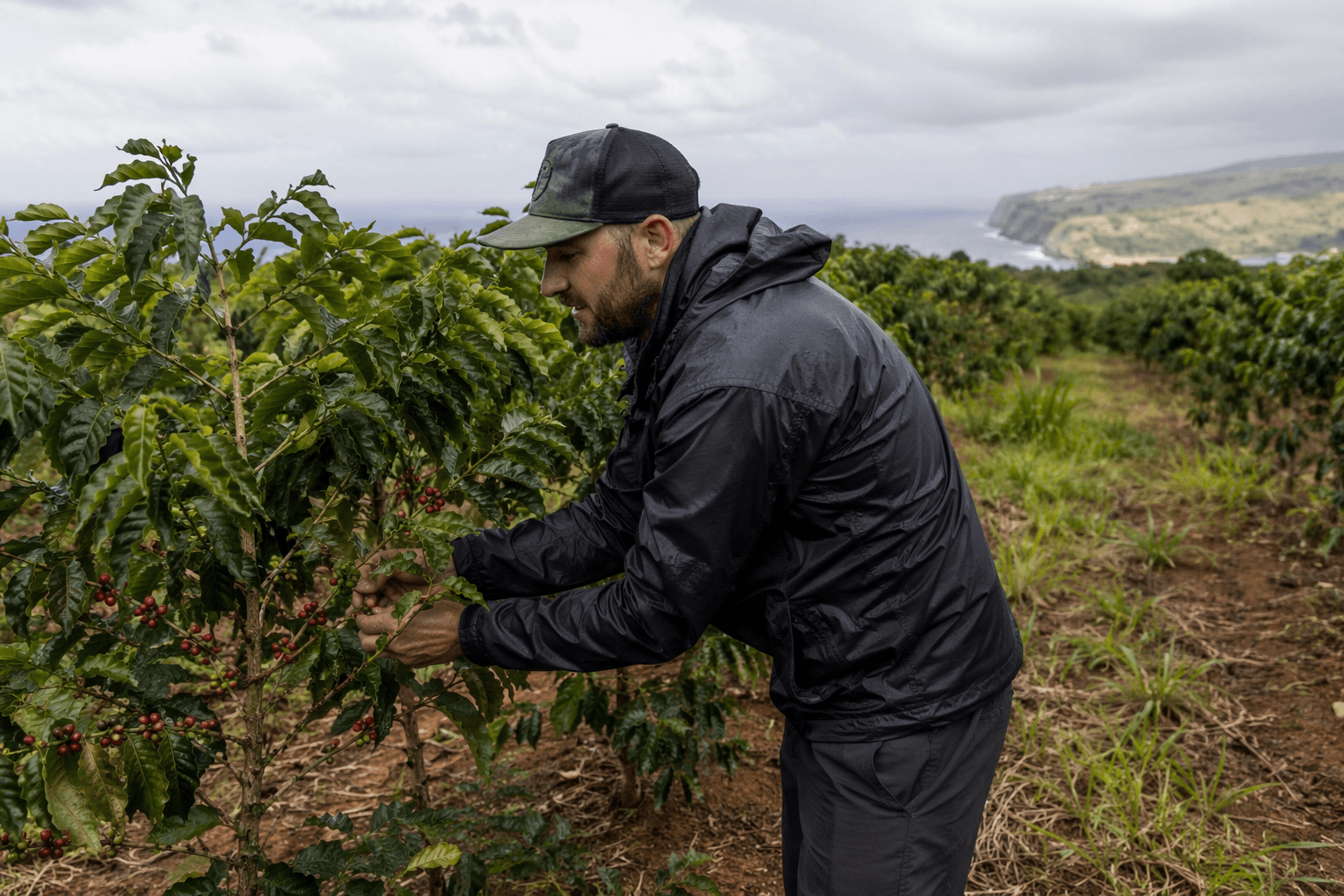
Ka‘u coffee’s biggest week is also one of its clearest economic stories
The 17th annual Ka‘u Coffee Festival runs June 14-20, and its value goes far beyond a tasting room lineup. This year’s schedule puts Ka‘u’s farms, families, culture and long agricultural reinvention at the center, showing how coffee has become both an income stream and an identity brand for the district.
That matters in Ka‘u, where the coffee story is still tied to the collapse of the old plantation economy. The festival’s history page says the Ka‘u sugar plantation closed in 1996, and displaced workers turned to coffee as one of the most promising post-plantation paths. Nearly three decades later, the festival is a reminder that the district’s agricultural future was built not by accident, but by farming families who adapted, organized and kept working the land.
June 14 opens with the most community-centered events
The festival begins June 14 with two of its most people-focused gatherings: a free pā‘ina and open house at Pahala Plantation House, and the Ka‘u Coffee Recipe Contest. Together, they frame the festival less like a product showcase and more like a district-wide homecoming built around growers, cooks and neighbors.
At Pahala Plantation House, the evening includes live music, hula, house tours, dinner and coffee. The event is free, which makes it one of the easiest entry points for residents and visitors who want to see how the festival connects Ka‘u’s heritage to present-day community life. The plantation house setting also gives the event a strong sense of place, linking the coffee celebration to the historic architecture and labor history of Pahala itself.
The recipe contest brings that same local identity into the kitchen. Adults and keiki can enter appetizer, entrée and dessert categories as long as Ka‘u coffee is a featured ingredient. The 2025 festival page said there is no entry fee and that cash prizes are awarded, making it both a public showcase and a practical way to encourage home cooks, families and small food businesses to build around a locally grown ingredient.
For readers trying to understand the festival’s community reach, these are the events that most directly connect the crop to the people behind it. The open house celebrates the district’s shared memory; the recipe contest shows how coffee moves into family tables, kitchens and small-scale entrepreneurship.
The week also turns the landscape itself into part of the story
Later in the week, the festival moves from town spaces into the hills and farm country that define Ka‘u. The Ka‘u mountain hike and lunch is one of the most revealing parts of the program because it treats the district’s terrain as economic history. The outing explores historic flume systems from the sugar era, the Wood Valley rainforest and the region’s hydroelectric and agricultural past, showing that coffee in Ka‘u is not just a crop, but part of a much larger land-use story.
That broader context helps explain why the festival has become such a strong regional marker. Ka‘u coffee is no longer a niche local product. According to the Hawaii Coffee Association, it is featured in the Starbucks Reserve program and is found on cupping tables at roasters and coffee shops around the world. That global reach gives the festival a sharper economic meaning: it is not only celebrating a local beverage, but also a product that carries the district’s name into premium markets.
The official festival site also says this year’s edition includes a brewing demonstration and a virtual coffee farm tour. Those additions matter because they widen access to the agricultural side of the festival, letting people see the work behind the cup even if they are not physically on a farm. In a district where tourism, agriculture and community identity overlap so closely, that kind of programming helps translate a specialty crop into education and economic visibility.
Coffee and cattle show how Ka‘u’s rural economy fits together
One of the most distinctive parts of the schedule is Ka‘u Coffee & Cattle Day at Aikane Plantation Coffee Farm, set for June 19, 2026. The event highlights one of the district’s defining realities: coffee does not exist in isolation in southern Hawai‘i Island. It sits alongside ranching, land stewardship and multi-use agricultural production, all of which shape how rural businesses survive and how families stay on the land.
That combination is important for understanding Ka‘u’s economy. The district’s coffee growers are part of a broader agricultural ecosystem that includes ranching, local food production and farm tourism, and events like Coffee and Cattle Day make those connections visible. For visitors, it is a chance to see how the district’s farms work together. For growers and ranching families, it is a public statement that Ka‘u’s rural economy depends on diversity, not just one crop.
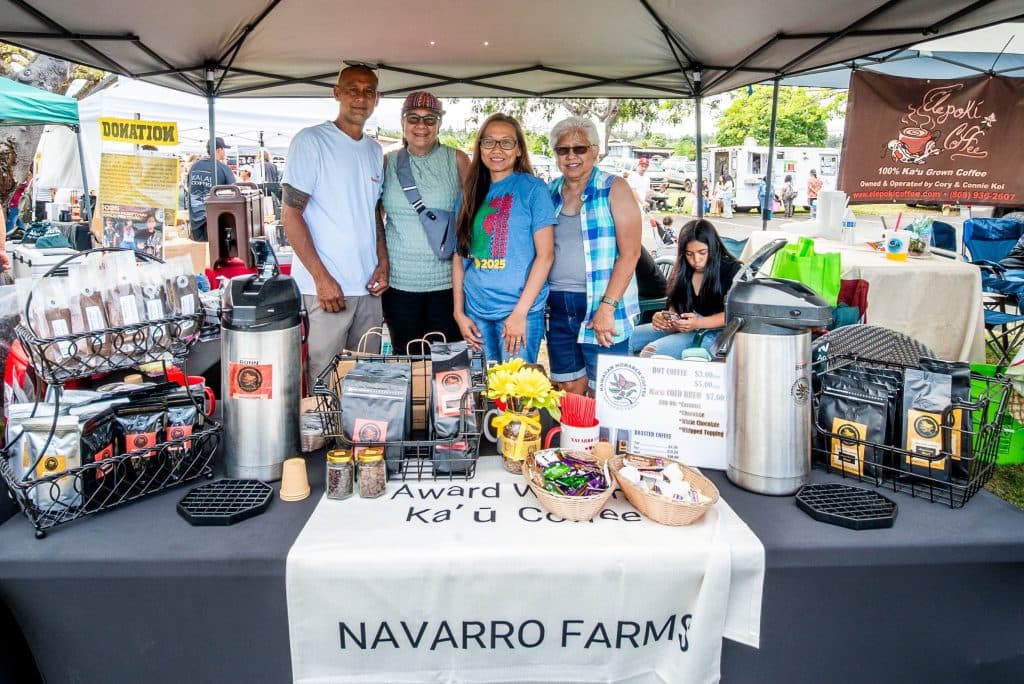
Aikane Plantation Coffee Farm gives the event a working-farm setting, which reinforces the festival’s practical tone. This is not just a themed luncheon. It is a reminder that coffee in Ka‘u is tied to labor, acreage, weather and year-round decisions about what to plant, how to manage land and how to earn from it.
June 20 closes with the festival’s public showcase
The weekend wraps up June 20 with the Ka‘u Coffee Ho‘olaule‘a and Coffee Experience, the festival’s broadest public celebration. Along with the week’s other events, it gives the district a final stage for growers, makers and families to present Ka‘u coffee as both a commodity and a cultural marker.
For the local economy, the closing events matter because they pull together the district’s visible assets: farms, food, music, heritage and visitor traffic. Small businesses benefit when the festival drives people into Ka‘u for the week. Growers benefit when buyers, roasters and coffee fans encounter the name Ka‘u in a setting that ties quality to place. And residents benefit when the region’s agricultural identity is reinforced as something worth celebrating, not just extracting.
The Ka‘u Coffee Growers Cooperative sits within that ecosystem as part of the district’s producer identity, while the festival itself serves as the public-facing annual reminder of why Ka‘u coffee has endured. It is a story about recovery after the plantation era, but also about how a local industry can become a regional brand without losing its roots.
Taken together, the 2026 Ka‘u Coffee Festival says something bigger about the state of Ka‘u coffee today: the industry is mature enough to reach global buyers, but still grounded enough to depend on family farms, community events and the district’s own history. That combination is what gives the festival its staying power and what makes it one of the clearest windows into Ka‘u’s economic future.
This article was produced by Prism’s automated news system from verified source data, official records, and press releases, then run through automated quality and moderation checks before publishing. The system is built and supervised by the people who set the standards it runs under. Read our full AI policy.
Did this article answer your question?