King Tide and High Surf Caused Minor Coastal Flooding on Hawaiʻi Island
The National Weather Service issued a coastal flood statement and a high surf advisory for Hawaiʻi Island on Jan. 1, 2026, as peak monthly high tides and elevated water levels produced minor shoreline flooding and overwash risk. The advisory affected low-lying roadways, docks and boat ramps and highlights growing exposure of coastal infrastructure and private property to routine high-tide events.
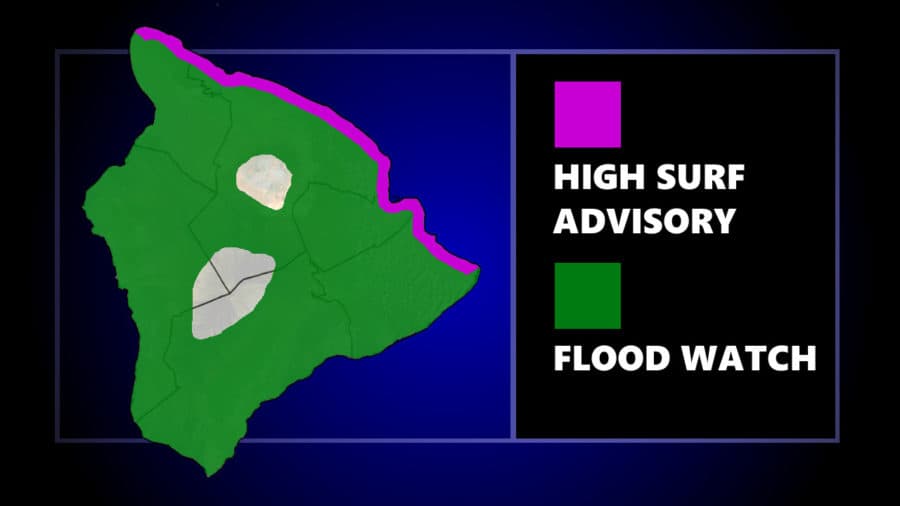
The National Weather Service issued a coastal flood statement and high surf advisory for Hawaiʻi Island on Jan. 1, 2026, as peak monthly high tides combined with elevated water levels triggered minor coastal inundation. The office warned that low-lying roadways, docks and boat ramps across multiple shorelines were at risk, with the greatest impacts concentrated a few hours after midnight near the peak high tides. Officials noted possible minor coastal erosion, localized overwash and saltwater inundation in vulnerable areas.
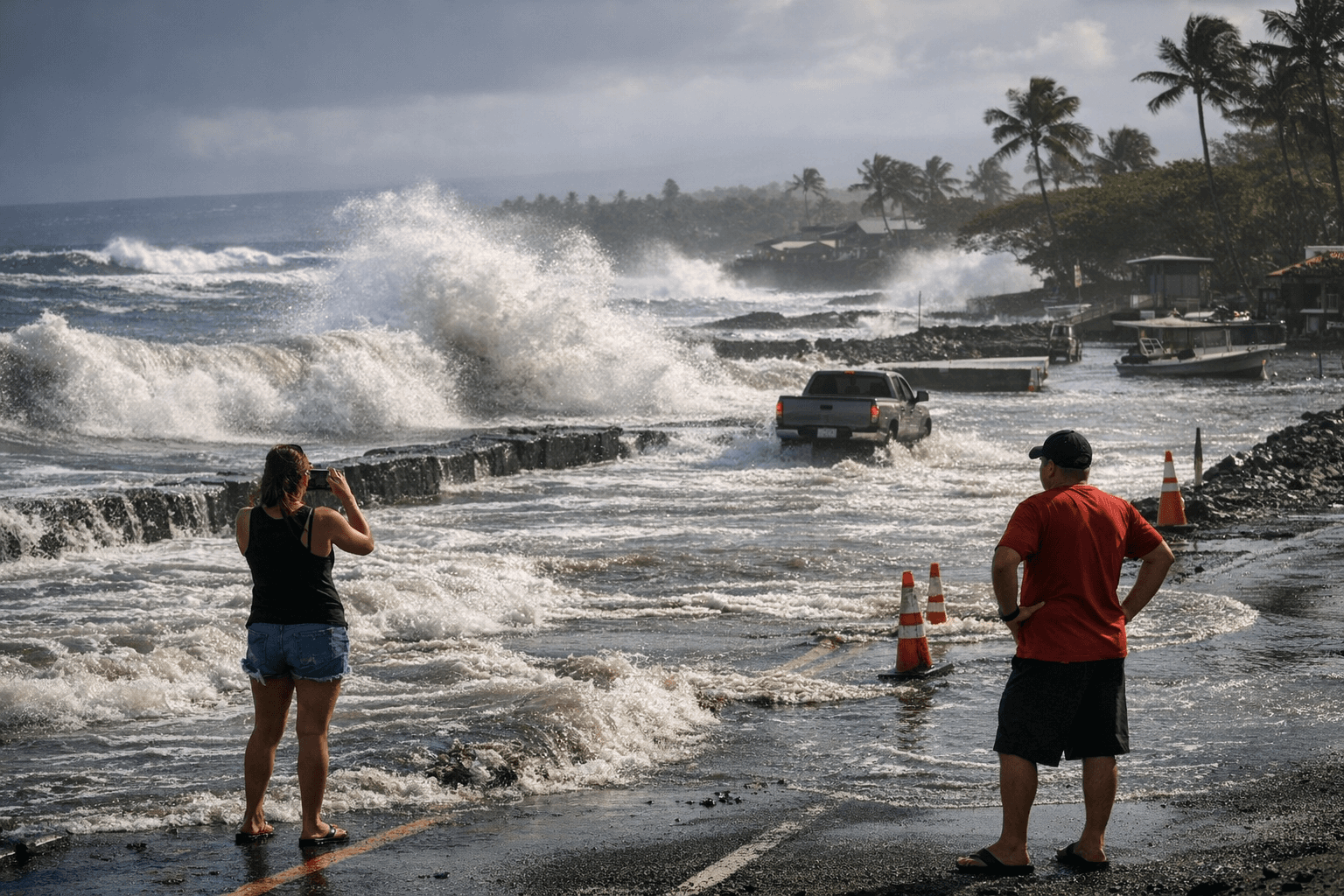
Impacts were largely limited to nuisance flooding, but the event had practical consequences for residents and small businesses that rely on shoreline access. Several low-lying parking areas and boat ramps saw temporary ponding and splash-over, prompting advisories to avoid driving through flooded roadways and to secure small craft. Local vehicle owners were advised to rinse cars after saltwater exposure to reduce accelerated corrosion and mechanical damage. Residents were also encouraged to document king-tide flooding for the University of Hawaiʻi Sea Grant King Tides project to support community-level monitoring.
While this event produced only minor, short-duration flooding, it underscores broader economic and policy implications for Big Island County. Recurrent king-tide events exacerbate wear on coastal infrastructure, increasing maintenance needs for county roads, culverts and harbor facilities. For businesses that service boaters, anglers and tourists, even brief closures or damage to ramps and docks can translate into lost revenue and higher operating costs. Insurers and lenders monitoring coastal risk view more frequent tidal flooding as a factor in underwriting and long-term property valuations, which could raise premiums or influence investment decisions in shoreline areas.
From a policy perspective, the advisory reinforces the need for adaptive planning that accounts for elevated baseline water levels. Measures such as improved drainage, routine maintenance of boat ramps and strategically timed closures during peak tides can reduce near-term disruption. Over the longer term, county planners must weigh options that include managed retreat, structural defenses and updated zoning for the most exposed parcels to contain future fiscal liabilities.
For residents, the immediate priorities are simple prevention and documentation: avoid driving through standing saltwater, rinse vehicles after exposure, secure small boats and photograph or log high-tide overwash for scientific monitoring. Events like the Jan. 1 advisory are reminders that king tides, combined with rising baseline sea levels, are becoming a recurring feature of coastal life on Hawaiʻi Island. Local preparedness and strategic investment will determine whether these episodes remain occasional nuisances or become a persistent drag on the island economy and infrastructure budgets.
This article was produced by Prism’s automated news system from verified source data, official records, and press releases, then run through automated quality and moderation checks before publishing. The system is built and supervised by the people who set the standards it runs under. Read our full AI policy.
Did this article answer your question?