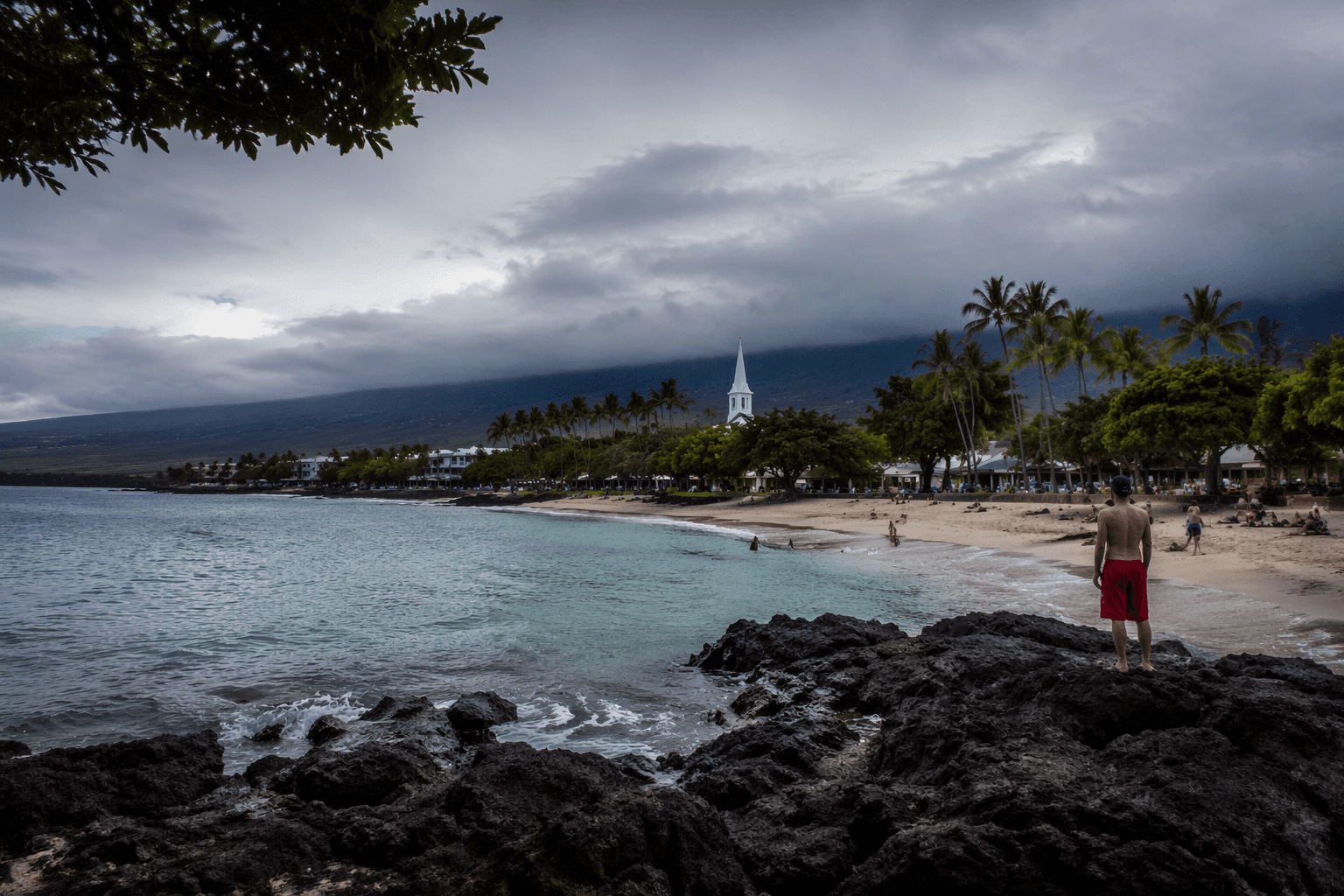
Kīlauea Episode 44 sends 800-foot lava fountains, ash across East Hawaiʻi
Highway 11 was shut, the park closed, and ash fell across East Hawaiʻi as Kīlauea’s north vent blasted lava to about 800 feet.

Highway 11 closed between mile markers 25.5 and 40, Hawaiʻi Volcanoes National Park shut its summit entrance, and falling tephra pushed travel disruptions across Puna, Volcano and Kaʻū as Kīlauea’s north vent sent lava fountains as high as 800 feet.
The fallout reached roads, park land and nearby communities after southerly and southwesterly winds carried the plume north-northeast. County Civil Defense, the Hawaiʻi Department of Transportation, Hawaiʻi Volcanoes National Park and the Hawaiʻi Police Department coordinated the closures to keep people out of the path of ash, gas and other volcanic debris. Local traffic with proof of residency was allowed through the Highway 11 closure as conditions permitted, and the County of Hawaiʻi opened the Kaʻū District Gym shelter at 96-1219 Kamani Street in Pāhala for people affected by the road shutdown or tephra fall.
Episode 44 began at 11:10 a.m. HST on April 9 and ended abruptly at 7:41 p.m. HST after 8.5 hours of continuous fountaining from the north vent in Halemaʻumaʻu crater. Around 1 p.m., the fountain peaked near 800 feet, then remained roughly 700 feet tall as the episode continued. By 2 p.m., the fountains were still near that height, and later in the afternoon they had dropped to about 500 feet while feeding a lava flow on the crater floor. After the episode ended, the U.S. Geological Survey lowered Kīlauea’s Volcano Alert Level from WARNING to ADVISORY and the Aviation Color Code from RED to YELLOW.
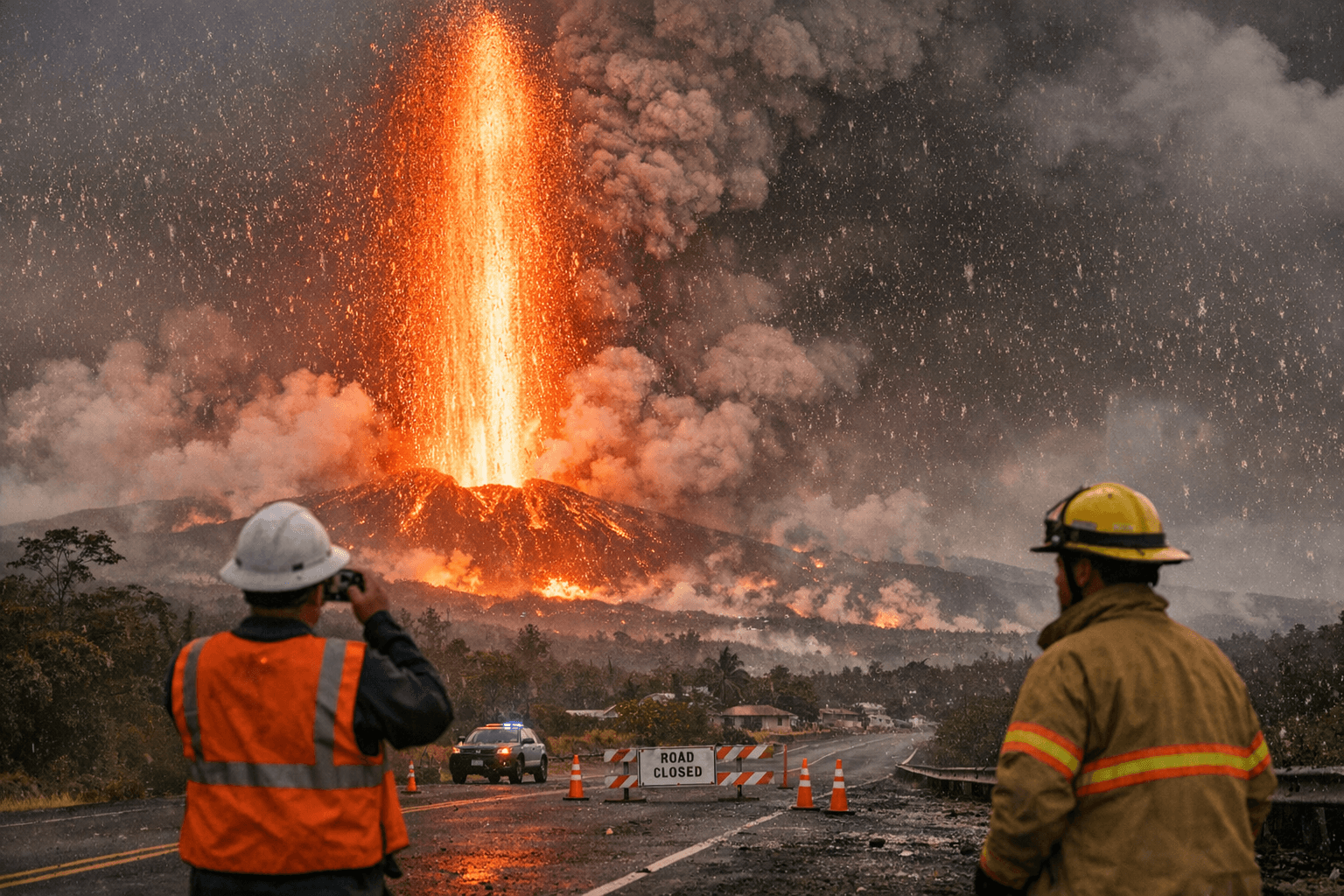
The eruption was preceded by lava flows that began April 3, mostly from the south vent. The U.S. Geological Survey said there were about 75 precursory overflows from April 3 until the start of Episode 44, with only four from the north vent, all on the morning of April 9. The last north-vent overflow began at 10:08 a.m. HST and rolled into the episode at 11:10 a.m. HST, marked by a sharp jump in seismic tremor and deflationary tilt at the Uēkahuna tiltmeter.
The summit eruption has been active since December 23, 2024, with alternating pauses and high-fountaining episodes from the north and south vents in Halemaʻumaʻu. U.S. Geological Survey scientists said pauses can last longer than two weeks, which means Big Island residents and visitors moving through the summit corridor may continue to face sudden closures whenever the volcano shifts back into another vigorous episode.
This article was produced by Prism’s automated news system from verified source data, official records, and press releases, then run through automated quality and moderation checks before publishing. The system is built and supervised by the people who set the standards it runs under. Read our full AI policy.
Did this article answer your question?