Kīlauea Summit Activity Raises Ash Concerns, Residents Urged to Monitor HVO
Kīlauea’s summit is producing episodic ash and tephra, raising air quality and health concerns for downwind Big Island communities; residents should monitor HVO updates.
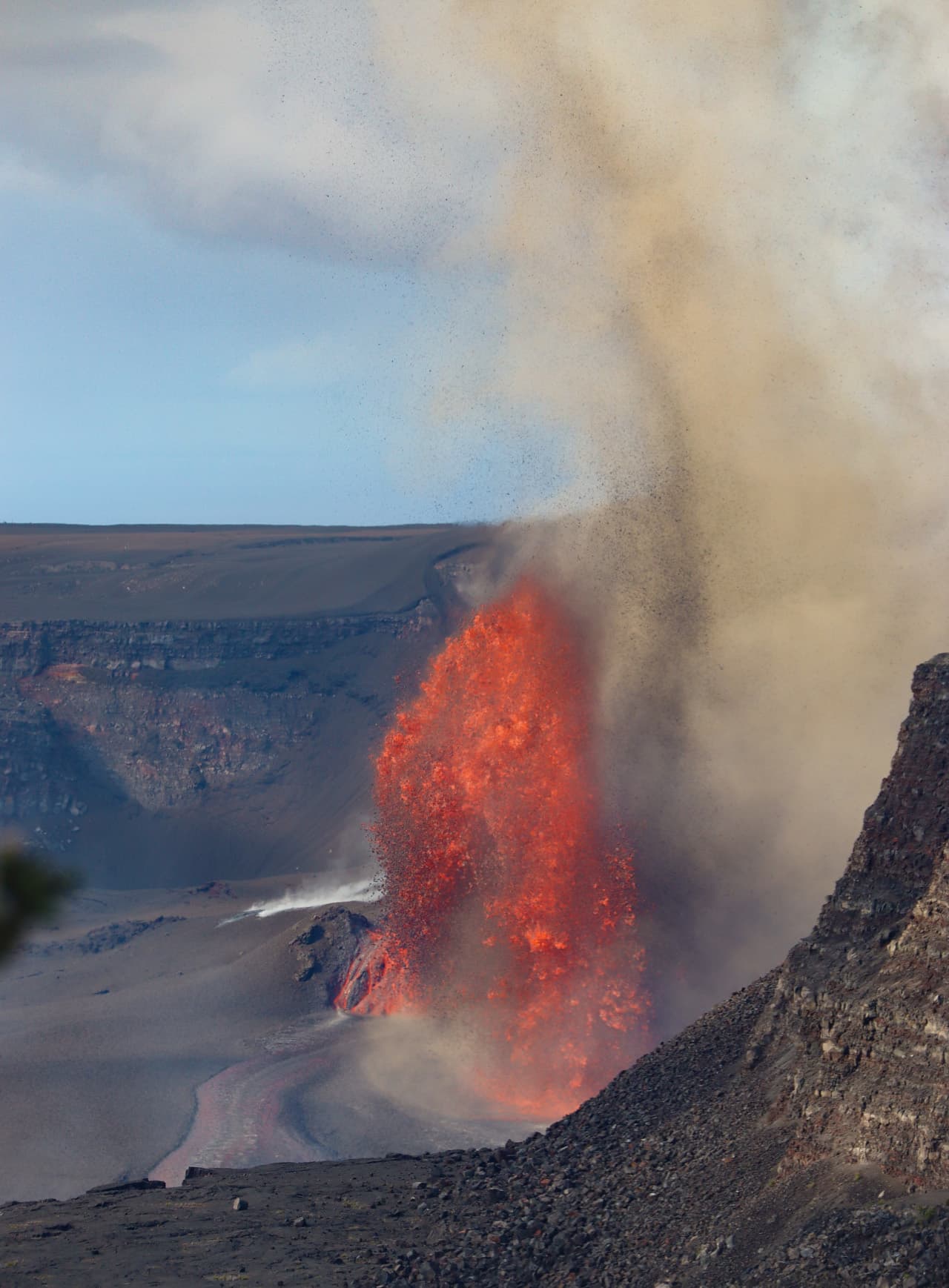
Kīlauea’s renewed summit activity is producing ash and tephra that can be carried downwind, prompting public-health and emergency officials to warn residents across Big Island County to stay alert and prepare for potential ashfall. The USGS Hawaiian Volcano Observatory (HVO) is monitoring conditions and issuing updates on eruptive behavior and ash advisories.
Volcanic ash can reduce air quality quickly and aggravate respiratory conditions such as asthma and chronic obstructive pulmonary disease. Fine ash particles can also contaminate water catchments, damage electronics and vehicle engines, and create slippery surfaces on roadways and roofs. These impacts are disproportionately felt by older adults, children, people with chronic health conditions, outdoor workers, and households without air conditioning or filtered air spaces.
Local healthcare providers and public-health planners emphasize simple, practical steps residents can take now. Keep windows and doors closed during ash events, run HEPA or high-efficiency filters if available, and avoid outdoor exertion when ash is present. Use certified particulate respirators such as N95s for short-term protection if going outside is necessary; cloth masks will not block fine ash particles. Cover water catchments and secure food and livestock feed from ash contamination. Avoid sweeping dry ash from floors or roofs, since dry sweeping can re-suspend particles; wetting ash before removal reduces airborne dust, and roofs layered with heavy ash should be cleared safely to prevent structural stress.
Transportation and public services may also be affected if ashfall is heavy. Reduced visibility can make driving hazardous, and ash can accelerate wear on vehicle brakes and engines. Citizens who rely on public transit, outdoor labor, or have limited mobility should plan for disruptions and check in with family members and neighbors who may need assistance. Community shelters, cooling centers, and clean-air spaces can be important supports when ash or vog limits safe time outdoors; residents with specific needs should identify nearby options and coordinate with local community groups and faith organizations.
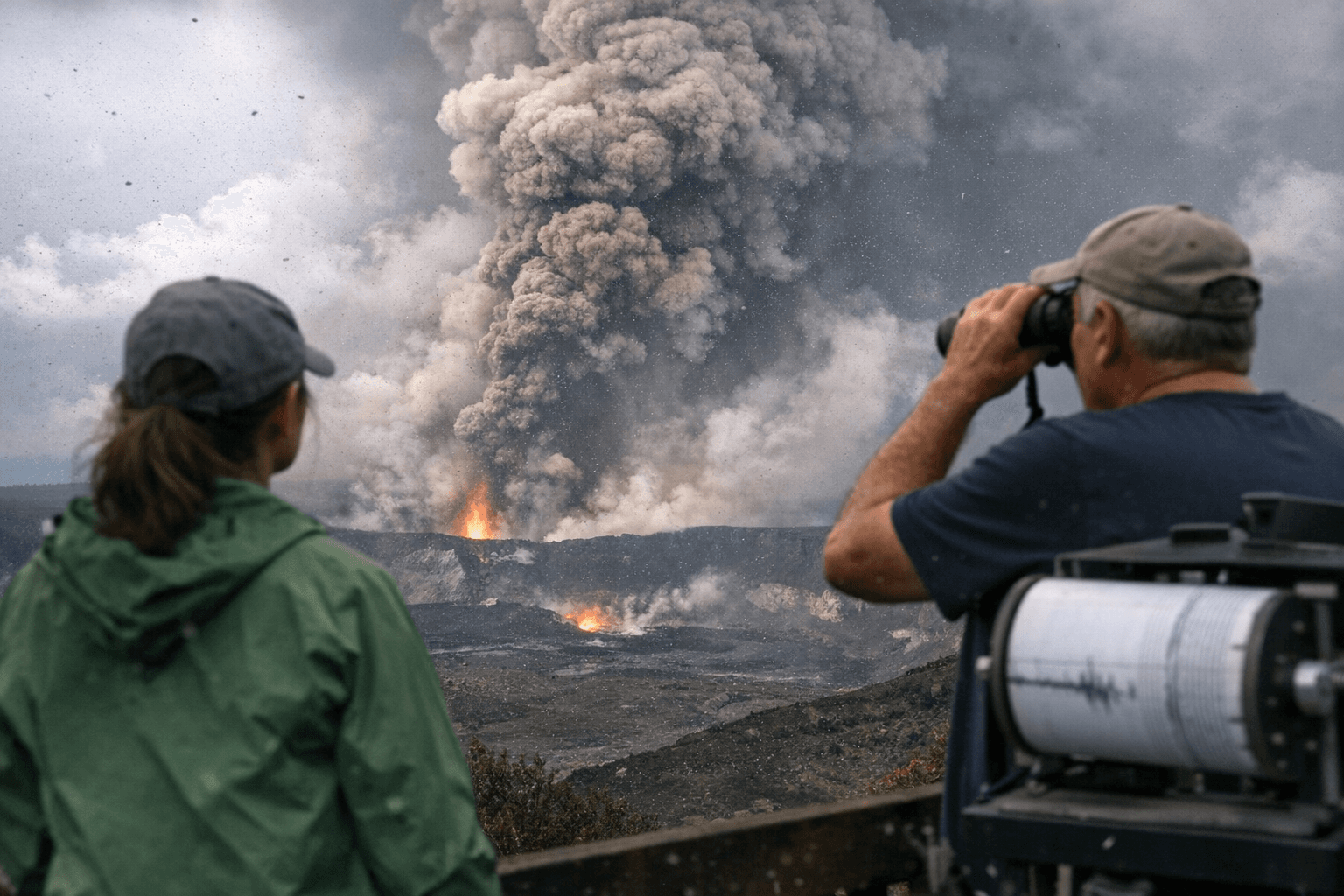
Kīlauea’s summit activity is episodic, meaning sharp increases in ash production can occur with little advance notice. HVO continues to provide real-time observations and hazard assessments; emergency management agencies at the county and state level track that information to determine public advisories and school or business impacts. For frontline and low-income workers, consistent access to masks, filtered spaces, and paid leave for hazardous-air days remain equity concerns that local policymakers and employers will need to address if ash episodes persist.
For now, monitor HVO for official updates, keep household emergency supplies ready, protect vulnerable household members, and avoid unnecessary travel during ash events. Staying informed and prepared will reduce health risks and community strain if summit activity produces more widespread ash in the days ahead.
This article was produced by Prism’s automated news system from verified source data, official records, and press releases, then run through automated quality and moderation checks before publishing. The system is built and supervised by the people who set the standards it runs under. Read our full AI policy.
Did this article answer your question?