Kīlauea summit paused, USGS still forecasts another lava-fountaining episode soon
Kīlauea’s summit has paused, but USGS still sees episode 49 likely by June 15. Glow, tremor and inflation keep Hawaii Volcanoes National Park on alert.
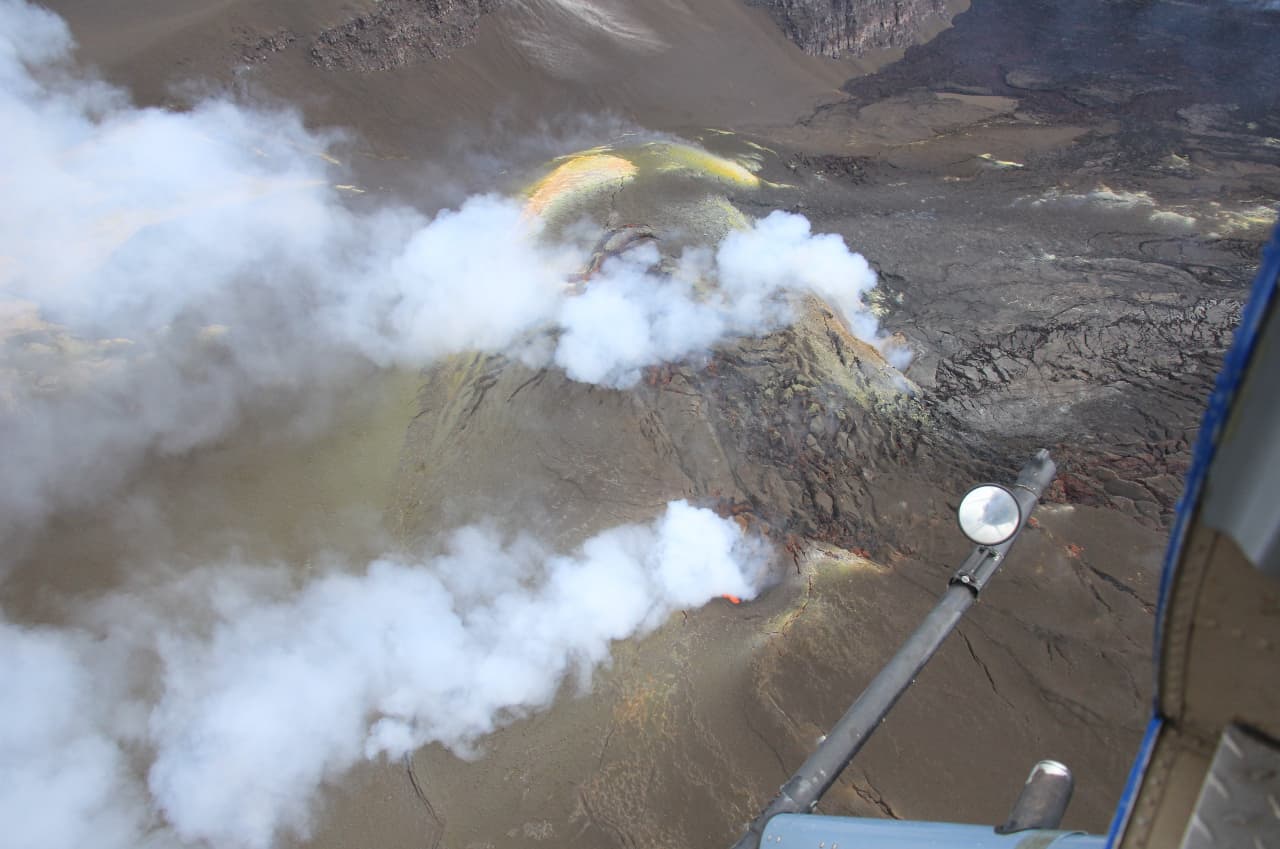
Kīlauea’s summit may be quiet for the moment, but it is not done. The U.S. Geological Survey says the eruption has paused, not ended, and the next lava-fountaining episode could arrive quickly enough to change conditions in Hawaii Volcanoes National Park, across Kaū, and on any trip planned around the summit.
Episode 48 showed how fast the mountain can shift. It began at 4:40 a.m. HST on June 1 and ended at 1:37 p.m. HST after about nine hours of continuous lava fountaining from the north vent. Fountain heights reached almost 650 feet, or 200 meters, and lava flows covered about 40% of the crater floor. USGS says the eruption has been episodic since December 23, 2024, and has stayed within a closed area of the park.

Forecasts continued to point toward another burst soon. On Thursday morning, USGS model runs suggested episode 49 could begin sometime between June 13 and June 15, with one notice narrowing the most likely window to June 13 and June 14 before the range shifted again as summit inflation slowed overnight. That kind of movement matters for visitors and residents alike: a forecast window that changes by a day can determine whether people see clear views, heavy vog, falling tephra, or a closed roadway instead.

Even during the pause, the summit kept showing signs of pressure below the surface. USGS reported low-level tremor across summit seismometers and two small earthquakes below magnitude 1.0 in the summit region over the previous 24 hours. The Uēkahuna tiltmeter also recorded additional inflation since episode 48 ended, though at a slower rate than before. During the lull, bright glow remained visible at both vents overnight, and degassing plumes rose from Halemaumau during the day.


A June 9 monitoring overflight added another clue: visible glow from the south vent, which USGS said indicates magma remains at shallow depth. Scientists said there was no significant activity along the East Rift Zone or Southwest Rift Zone, but the summit itself remains active enough that winds could quickly change the risk picture. Hawaii Volcanoes National Park warns that light or southerly winds during lava-fountaining episodes can spread tephra and volcanic gas and force temporary area closures, as happened on March 10 when the summit was closed for hazardous tephra and later reopened after ash, rock and glass were cleared.
This article was produced by Prism’s automated news system from verified source data, official records, and press releases, then run through automated quality and moderation checks before publishing. The system is built and supervised by the people who set the standards it runs under. Read our full AI policy.
Did this article answer your question?