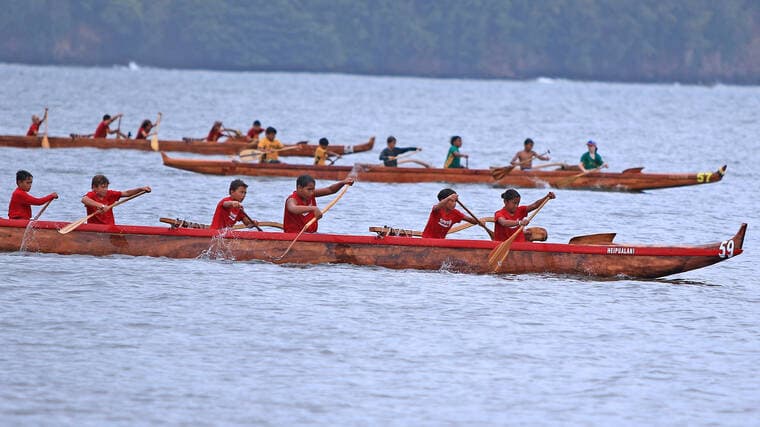
Kona benefit dinner backs youth housing village for former foster care youth
A Kona dinner at Salt Farm will help fund West Hawaii’s first transitional housing village for former foster youth, as Humanity Hale works toward a $250,000 goal.
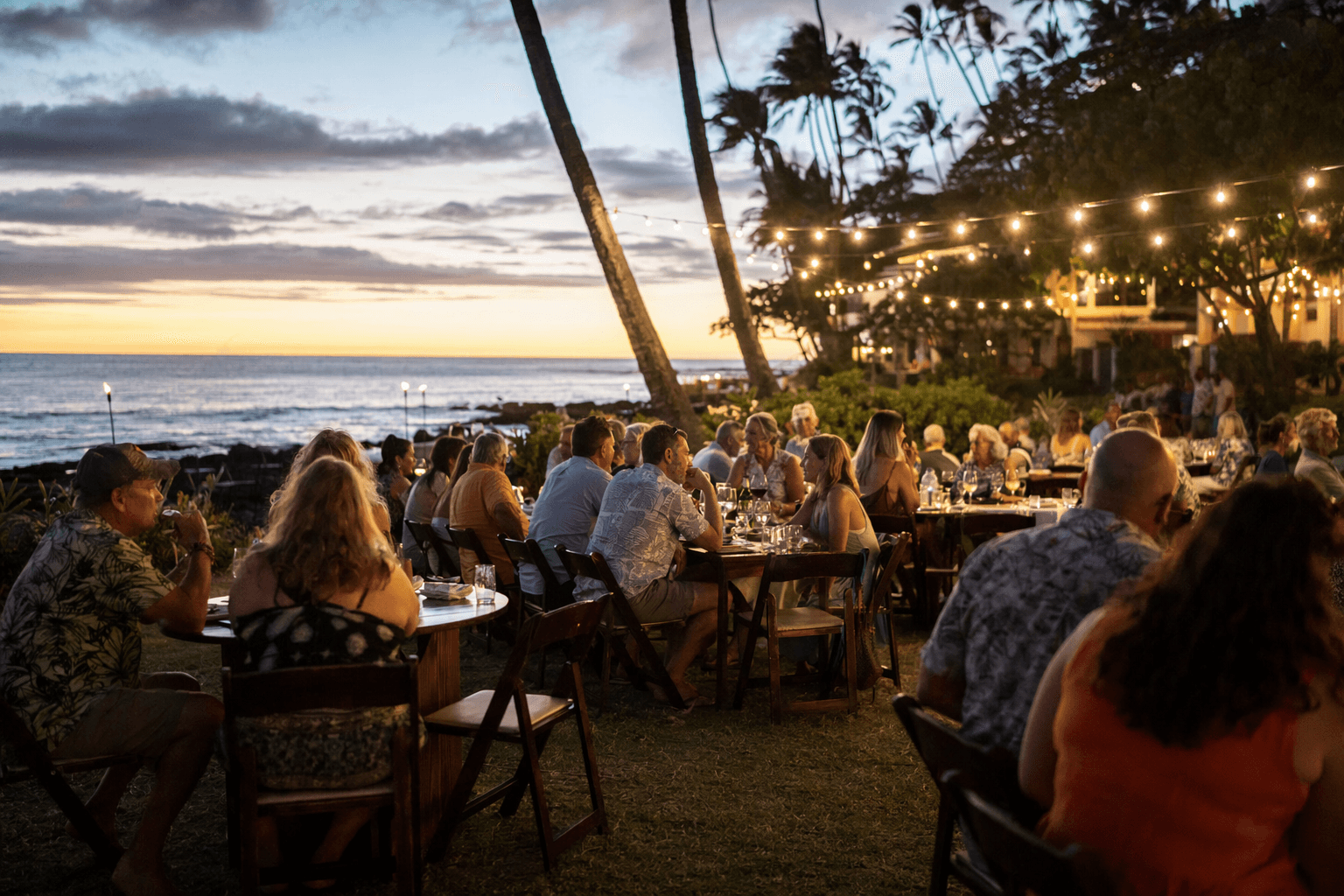
A Kona oceanfront benefit dinner will bring live music, hula and a silent auction to Kona Salt Farm on Saturday, May 23, as Humanity Hale tries to raise the money it needs to buy land for West Hawaii’s first transitional housing village for youth aging out of foster care.
The event runs from 5:30 p.m. to 9 p.m. at Kona Salt Farm, 73-907 Makako Bay Dr, Kailua-Kona. Organizers say the evening will feature Vaughn Valentino and Positive Motion, along with hula, a fire knife performance and a documentary preview, all aimed at pushing the nonprofit closer to its long-term plan for small homes, shared spaces, mentorship, cultural healing, life-skills education and emotional support.

Humanity Hale has raised nearly $31,600 toward a $250,000 goal, a sign that the project is still in its early fundraising phase even as support builds. The nonprofit says it was created in 2019 as a safe haven for Hawaii Island ōpio who have experienced trauma, including foster children and youth, and its services include Hawaiian arts and cultural education, art therapy, trauma-informed therapy, life skills and leadership development, abuse prevention and diversity training, and 24/7 trauma support.
The need is especially sharp on Hawaii Island, where Humanity Hale says about 33% of the state’s 1,250 children and youth in foster care live. The organization is focused on young adults ages 18 to 24, the stretch when foster care support can fall away even as housing, guidance and stability become more urgent. State child-welfare guidance says youth in foster care begin age-appropriate life-skills training at age 12, and Hawaii’s Imua Kākou program, launched July 1, 2014, is meant to help eligible former foster youth remain supported until age 21.
The broader backdrop is one of severe housing strain and persistent child-welfare need. Federal data show Hawaii had 882 children in foster care on Sept. 30, 2024, and 769 child maltreatment victims in 2024. Hawaii also reported 6,389 people experiencing homelessness in the 2024 point-in-time count, and a January 2026 Civil Beat report said Hawaii Island’s homeless population was still growing despite tens of millions invested locally. Humanity Hale’s earlier fundraising drive, launched by founder Charis Higginson, sought $550,000 for a 10-acre farmstead in Captain Cook, underscoring how long the path has been to build a permanent West Hawaii home base for youth who need a bridge to adulthood.
This article was produced by Prism’s automated news system from verified source data, official records, and press releases, then run through automated quality and moderation checks before publishing. The system is built and supervised by the people who set the standards it runs under. Read our full AI policy.
Did this article answer your question?