Kona quake damages catchment systems, hundreds face water emergency
A 6.0 quake cracked rain-catchment systems across South Kona, leaving some families hauling water and some farmers scrambling to save coffee trees. Up to 500 people could be affected.
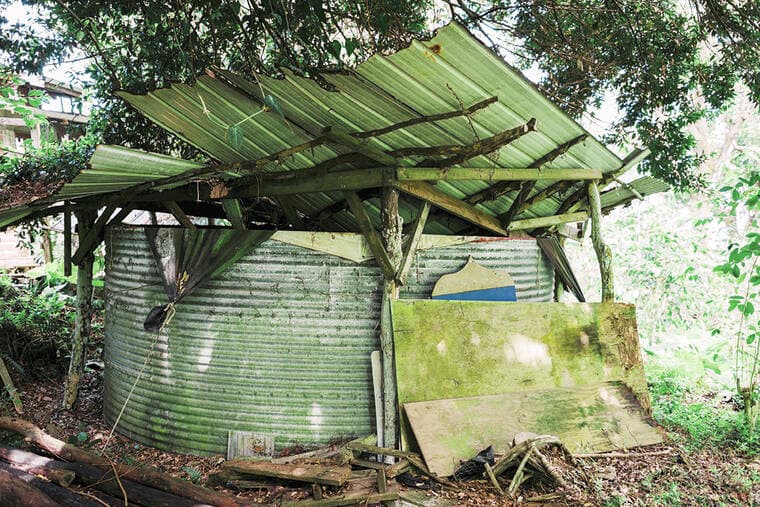
A 6.0 earthquake cracked the rain-catchment systems that keep South Kona homes and farms running, turning a few seconds of shaking into a drinking water crisis across the Kona coffee belt. Some families have been hauling jugs from county spigots just to flush toilets and cover basic household needs, while growers try to keep coffee and macadamia trees alive.
The quake struck at 9:46 p.m. HST on Thursday, May 22, 2026, with an epicenter about 13 kilometers south of Honaunau-Nāpōopoo. A magnitude 3.2 aftershock followed six minutes later. In later reporting, the temblor was also described as about 4 miles east-southeast of the Hōnaunau-Nāpōopoo area along the western flank of Maunaloa.
What made the disaster different in this rural stretch of Hawaii Island was not just the ground movement but the water infrastructure it hit. Many South Kona homes, orchards and small farms rely on large rain-catchment tanks because county water lines do not reach much of the area. The county emergency proclamation said Civil Defense had received about 207 damage reports in Kaū, North Kona and South Kona, including substantial damage to residential, commercial and agricultural water catchment systems.
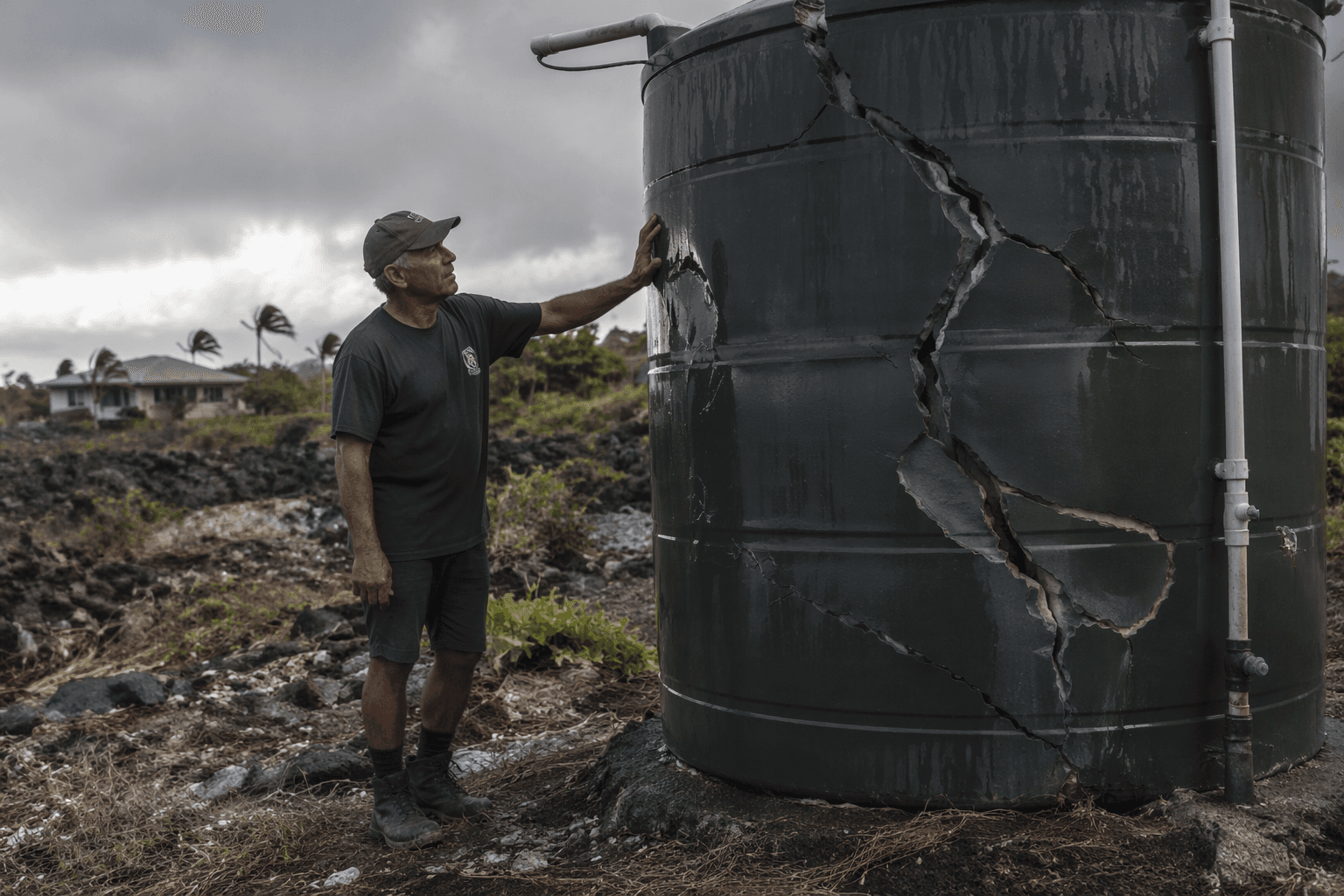
By May 27, county officials had issued a South Kona water conservation notice for Honalo, Kainaliu, Keei, Kealakekua, Nāpo‘opo‘o, Hōnaunau and Ho‘okena. Civil Defense later said at least five South Kona homes were considered destroyed and 143 properties had been reported damaged. Hawaii County officials also scheduled site visits with state emergency management teams for properties damaged in the quake.
The local response has been immediate but uneven. Corey Yeaton of Pacific Blue Catchment estimated as many as 500 people could be without water, and said his company was processing roughly 200 damage reports. The two local companies that sell rainwater catchment systems had each received about 200 calls for help, a sign of how many households were suddenly facing broken tanks, cracked liners or failed pumps.
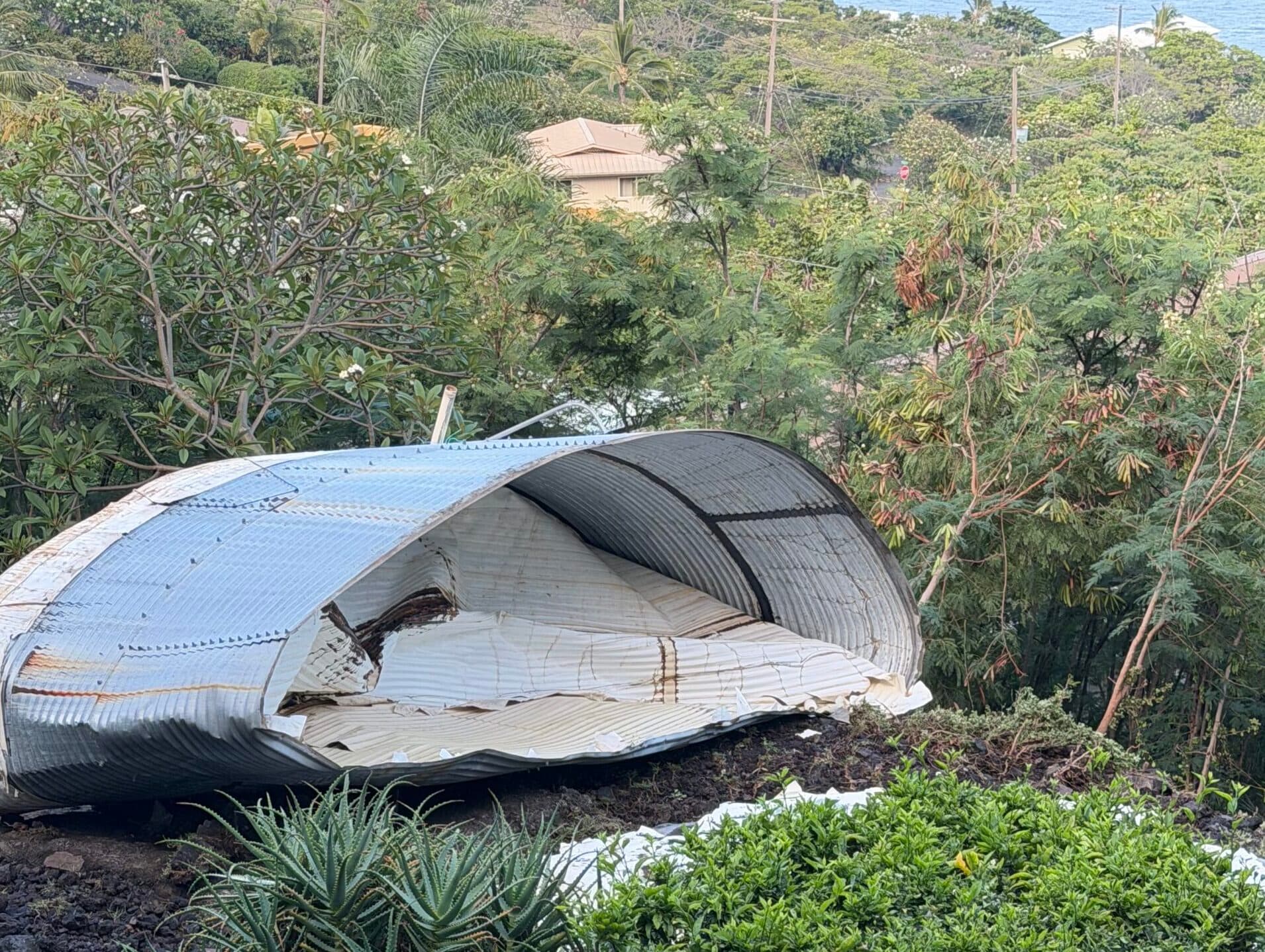
Colehour Bondera of Kanalani Ohana Farm described the damage as both household and agricultural. Farmers across the Kona coffee belt are making repeated trips to county spigots, storing water in whatever containers they can find, and waiting on replacement parts and repair crews. For growers who were already dealing with flood damage and financial stress from the March Kona low storms, the quake added another layer of cost and delay.
The public health risk is bigger than inconvenience. In communities that depend on catchment water for drinking, cooking and sanitation, a single earthquake can become a housing problem, a farming problem and a sanitation problem all at once. For South Kona, the recovery now runs through tanks, pipes, pumps and the long wait to make them whole again.
This article was produced by Prism’s automated news system from verified source data, official records, and press releases, then run through automated quality and moderation checks before publishing. The system is built and supervised by the people who set the standards it runs under. Read our full AI policy.
Know something we missed? Have a correction or additional information?
Submit a Tip