Land board action sparks debate over DOCARE and ICE ties
The land board's DOCARE agreement request drew ICE questions, raising fears about conservation officers and Big Island public lands.
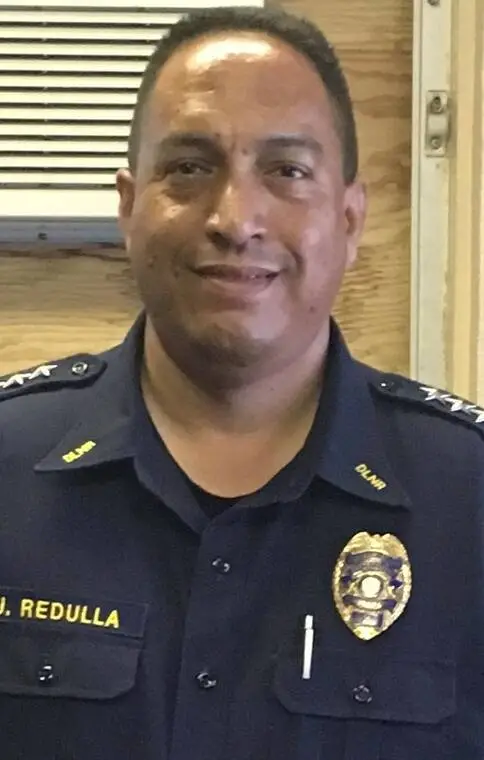
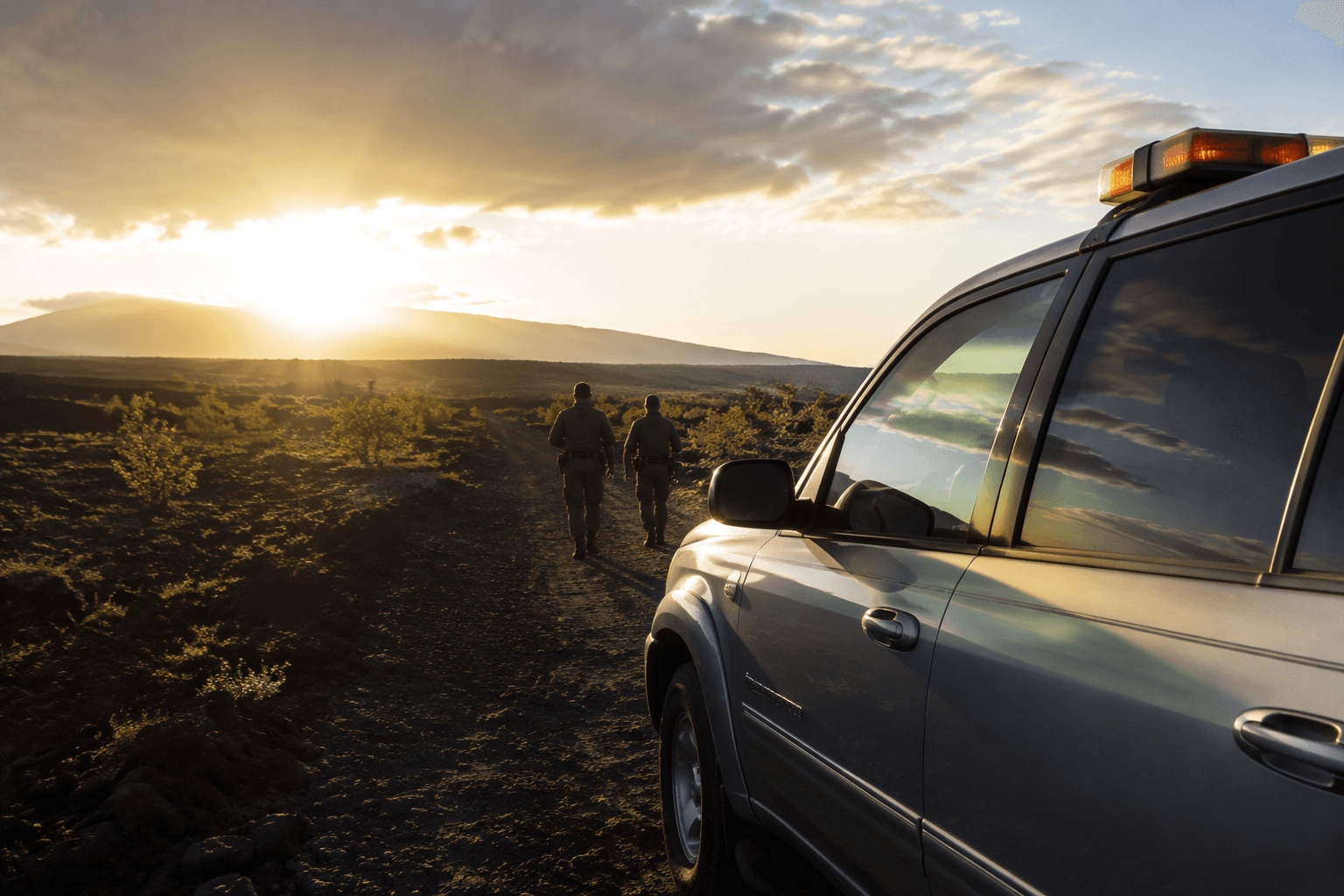
The Board of Land and Natural Resources authorized DOCARE to enter memoranda of agreement, and the move quickly raised questions about whether state conservation officers could be tied to U.S. Immigration and Customs Enforcement. That concern landed hardest on Hawaii Island, where DOCARE officers work beaches, shorelines, forests, parks and other state lands that residents use for fishing, hunting, gathering and recreation.
Board member Riley Smith raised the ICE concern during the discussion, pushing for clarity on how far any agreement could reach. The request itself was for DOCARE, the Department of Land and Natural Resources Division of Conservation and Resources Enforcement, and DLNR describes the division as the law enforcement arm of the department. That mission is conservation and resource enforcement, not immigration policing.
The board’s action mattered because memoranda of agreement are a familiar administrative tool inside DLNR. A Feb. 14, 2025 board submittal sought authorization for the chairperson to enter into a memorandum of agreement with the University of Hawaii for a DOCARE Wahiawa substation site on Oahu, showing that MOAs are routinely used for land and facilities planning. That context made the ICE questions sharper, because any suggestion of a new enforcement role would look less like paperwork and more like a shift in public trust.
The political sensitivity around immigration enforcement has already been building across Hawaii. In a June 2 letter to Hawaii County officials, the ACLU of Hawaii said ICE actions in Hawaii had created “a culture of fear” and urged county and local law enforcement not to join “unconstitutional and overreaching government actions.” A March 2025 reference in Civil Beat to alarm over Big Island police pacts with federal immigration agencies shows the concern is not abstract or statewide in the generic sense, but rooted in local worries about who local officers serve and how residents are treated.
For people on the Big Island who fish off lava rock, hike on state trails, hunt in forest reserves or gather on public land, the practical question is whether DOCARE’s day-to-day work would change at all. If the agency remains focused on conservation and resource violations, the impact stays within its current mandate; if any agreement opens the door to immigration cooperation, it could make some residents more hesitant to approach officers or report violations on public land.
This article was produced by Prism’s automated news system from verified source data, official records, and press releases, then run through automated quality and moderation checks before publishing. The system is built and supervised by the people who set the standards it runs under. Read our full AI policy.
Did this article answer your question?