Magnitude 3.8 quake rattles South Kona, no volcanic impact detected
A shallow M3.8 quake shook South Kona before dawn, but HVO saw no change in Mauna Loa or Kīlauea. The jolt came after May’s stronger Kona earthquake.
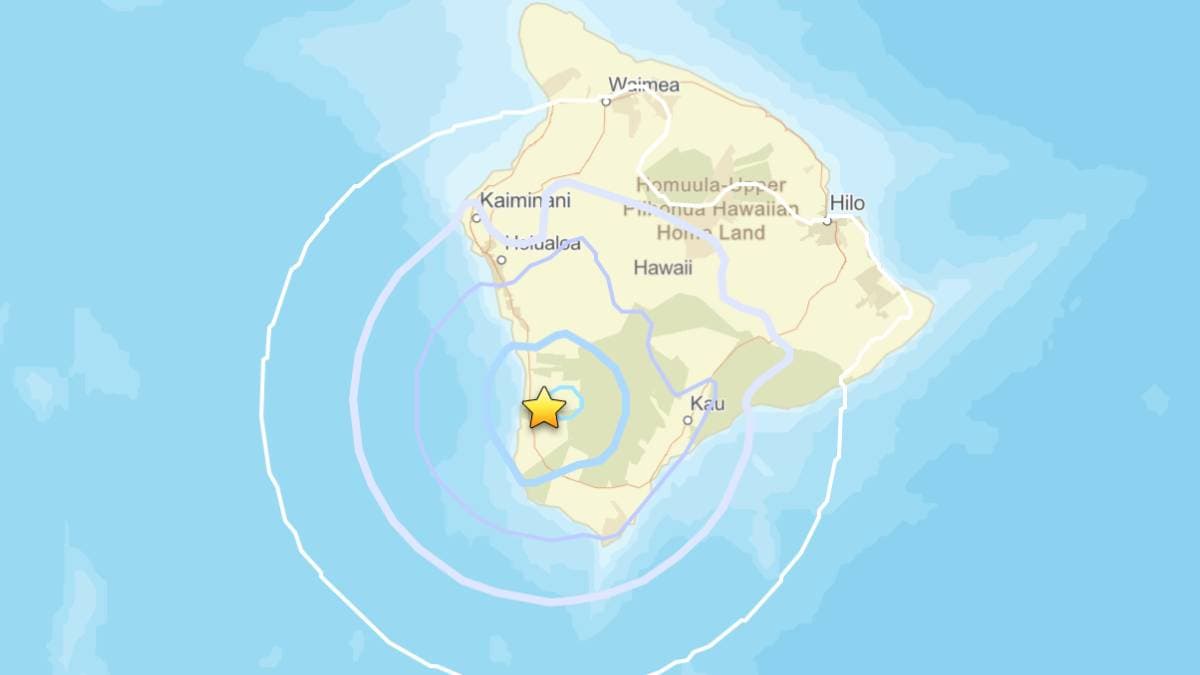
A shallow magnitude 3.8 earthquake rattled South Kona before sunrise Monday, centered about 13 miles south of Hōnaunau-Nāpōopoo, but the Hawaiian Volcano Observatory said it had no apparent impact on the magmatic systems of Mauna Loa or Kīlauea. The jolt came at 6:20 a.m. HST and was measured about 3 miles below sea level, a depth that can make even a moderate quake more noticeable to nearby residents.
The U.S. Geological Survey and Hawaiian Volcano Observatory issued an information statement at 7:19 a.m. HST, part of the observatory’s routine earthquake monitoring and public communication work across Hawaii Island. In a follow-up interpretation, HVO said the quake was likely caused by stress within the west flank of Mauna Loa, which points to tectonic movement rather than a sign of eruptive unrest.
That distinction is what matters most in South Kona. A magnitude 3.8 quake can still be felt, especially when it is shallow and close to populated coastal communities, but it is far smaller than the kinds of events that typically trigger broader damage assessments, road checks or emergency response. In this case, HVO’s rapid assessment narrowed the concern to shaking, not to a change in volcanic behavior.
For households that felt the tremor, the immediate step is to look for anything shifted, cracked or knocked loose, especially in rooms with shelves, hanging items or fragile objects. Even when an earthquake does not point to volcanic change, a quick check around the home helps confirm whether the shaking left behind any damage.
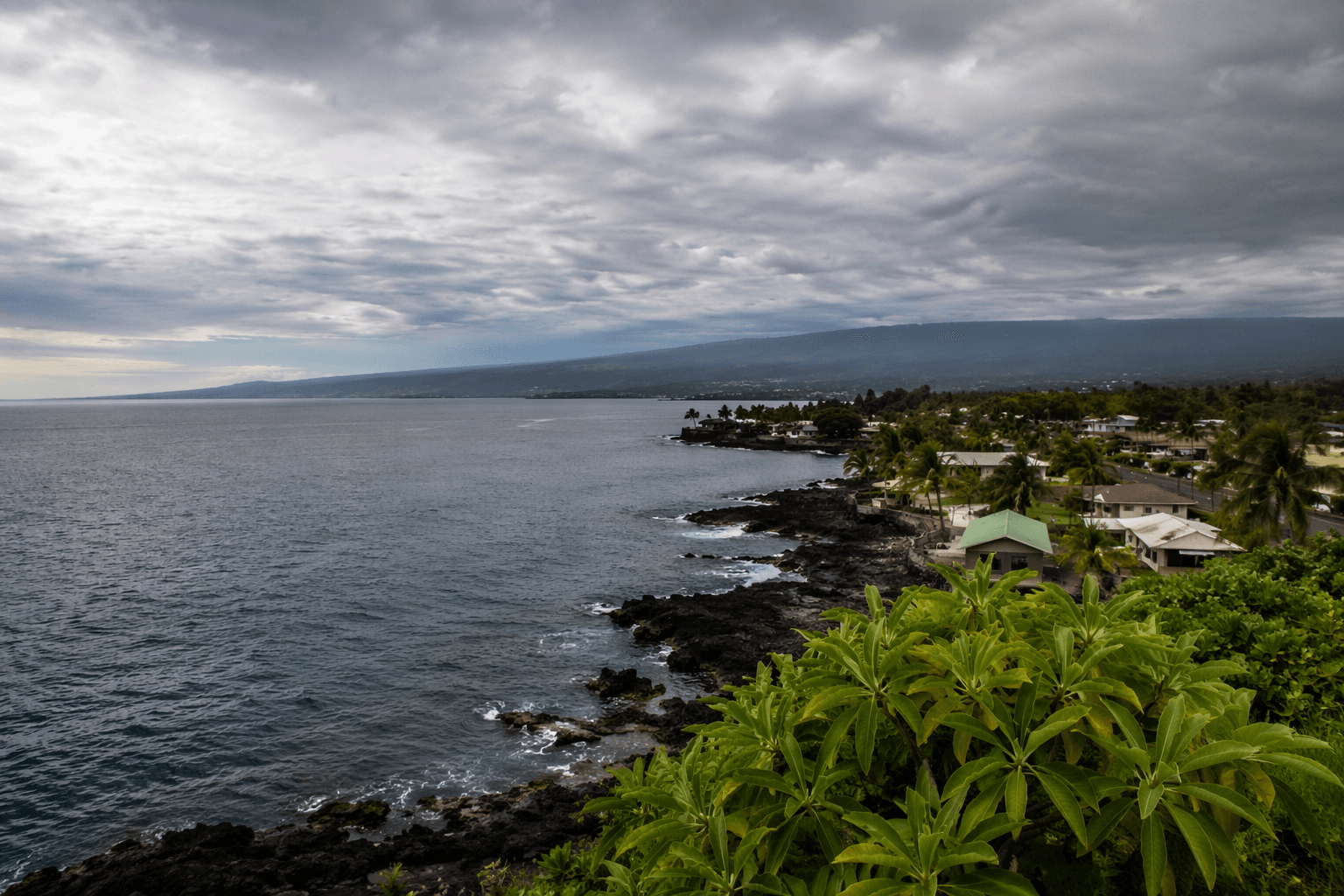
The Monday quake also landed in a community still focused on the bigger South Kona earthquake from May 22, when a magnitude 6.0 event struck roughly seven miles south of Hōnaunau-Nāpōopoo. The County of Hawaii said that quake produced maximum Modified Mercalli Intensity VII shaking and drew more than 2,662 felt reports within the first hour. County officials issued an emergency proclamation on May 27, and they said several aftershocks had already occurred, with more possible in the days and weeks that followed.
Against that backdrop, the June 22 quake was a much smaller event, but one that still carried weight for residents of South Kona and West Hawaii who are paying close attention to every tremor. The latest reading offered a clear message: the ground moved, but the island’s magma systems did not show signs of responding.
This article was produced by Prism’s automated news system from verified source data, official records, and press releases, then run through automated quality and moderation checks before publishing. The system is built and supervised by the people who set the standards it runs under. Read our full AI policy.
Did this article answer your question?