Magnitude 4.2 Quake Near Pāhala Part of Deep Swarm; Islandwide Shaking
A magnitude-4.2 quake struck near Pāhala and was part of an ongoing deep seismic swarm; light islandwide shaking was felt, and no damage is expected.
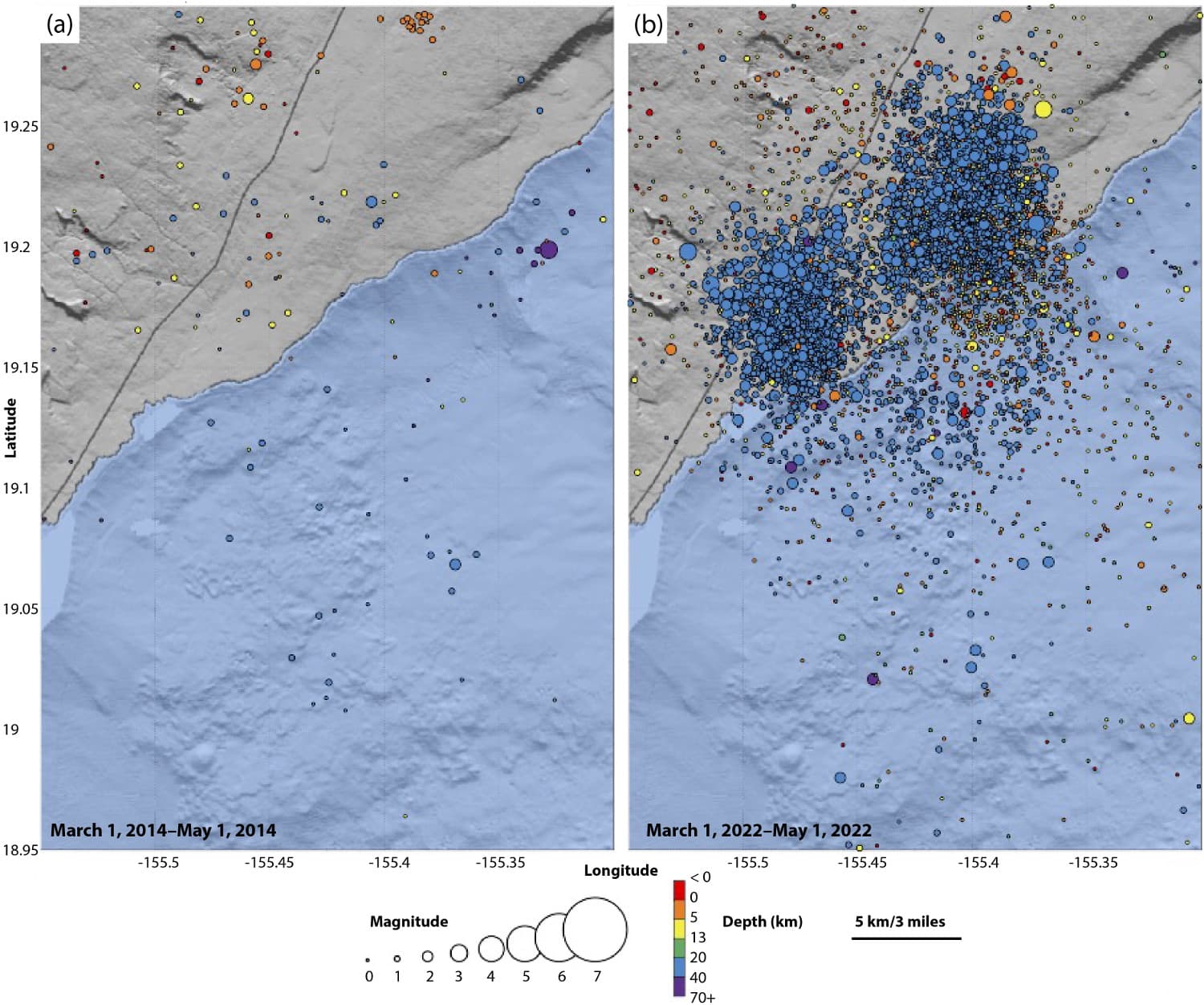
A magnitude-4.2 earthquake was recorded just after 11:30 p.m. on Jan. 26 about a mile northwest of Pāhala in the Kaʻū district, rattling homes across the island and drawing attention to a persistent deep seismic swarm beneath Pāhala. The Hawaiian Volcano Observatory identified the event as part of that deep swarm and said it was not directly related to recent summit activity at Kīlauea or Mauna Loa.
The quake occurred at a depth of roughly 21 miles. Light shaking was reported islandwide and more than 300 felt reports were logged. No damage was expected, and both the Hawaiian Volcano Observatory and the U.S. Geological Survey continue to monitor for aftershocks and further seismic activity.
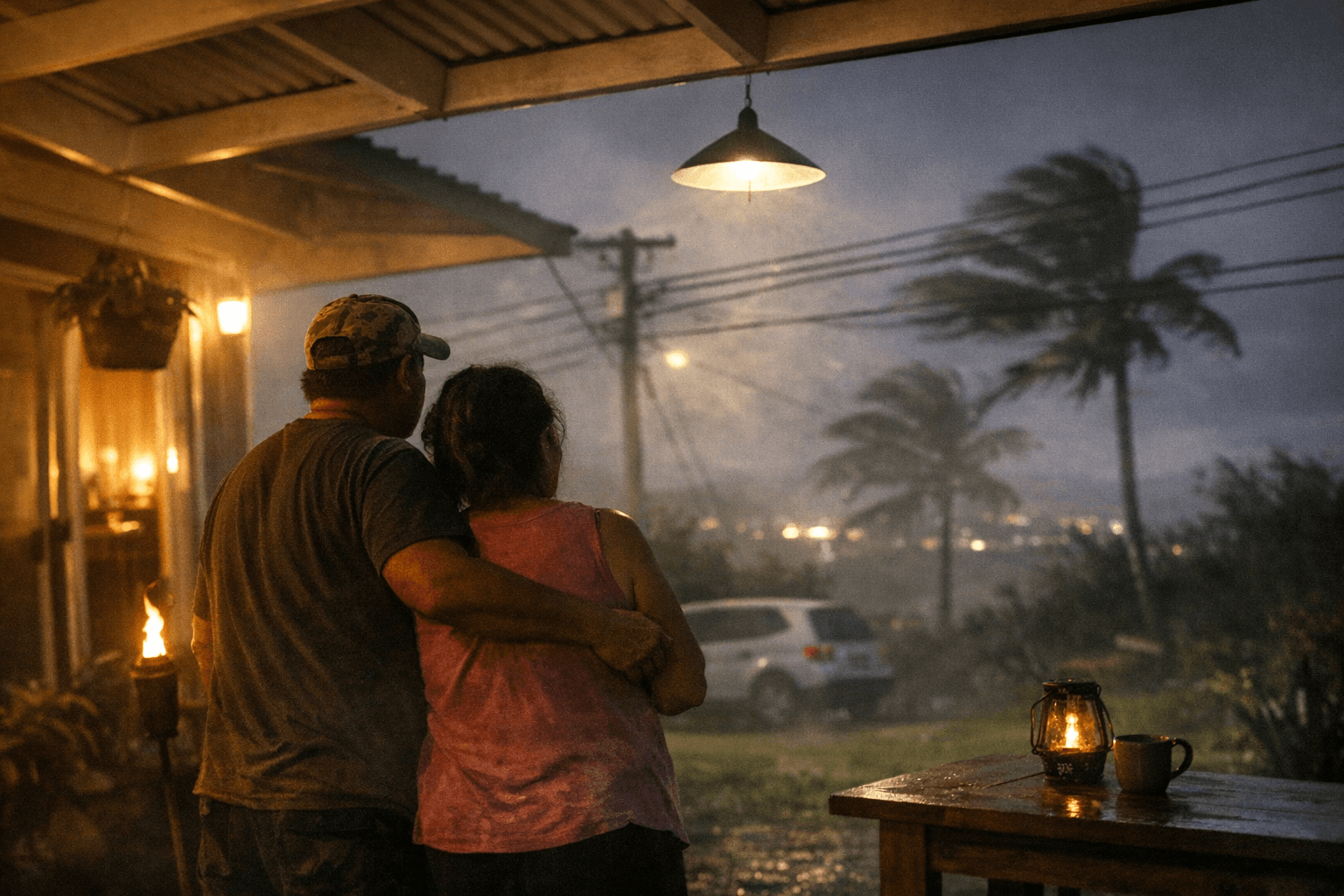
For residents of Kaʻū and other rural parts of the Big Island, the immediate physical impacts appear limited, but the event carries public health and community implications. Seismic swarms can increase anxiety, particularly among older adults, patients who rely on electricity-dependent medical devices, and households with limited transportation or financial resources. Local clinics, kupuna centers, and emergency services may need to be prepared for calls about power outages, medication access, or stress-related health complaints even when structures are not damaged.
Emergency response systems rely on timely monitoring and clear public communication. Continued surveillance by HVO and USGS helps guide county decisions about resource allocation and community alerts, but the episode highlights longer-term gaps in equitable preparedness. Residents in remote areas such as Pāhala often face longer response times and greater barriers to receiving emergency information. Strengthening outreach in Kaʻū, ensuring multilingual messaging, and bolstering backup power and supply chains for medical needs are practical policy steps to reduce inequities in future seismic events.
Households can take simple, concrete measures to reduce risk and stress. Secure heavy furniture and appliances, assemble or refresh an emergency kit with a minimum three-day supply of medications and essentials, and confirm backup power plans for oxygen concentrators and refrigeration for temperature-sensitive medicines. Neighbors checking on kupuna and people with disabilities can make a decisive difference after even modest shaking.
The scientific picture remains one of close watch rather than alarm. HVO and USGS monitoring will determine whether the swarm yields additional events or tapers off. For now, residents should treat the episode as a reminder to review personal and family preparedness, to check on vulnerable neighbors in Kaʻū and across the island, and to expect continued updates from volcanic and seismic authorities as they track aftershocks and evolving activity.
This article was produced by Prism’s automated news system from verified source data, official records, and press releases, then run through automated quality and moderation checks before publishing. The system is built and supervised by the people who set the standards it runs under. Read our full AI policy.
Did this article answer your question?