Mauna Loa HI-SEAS facility may reopen for Mars, moon research
A Mauna Loa habitat built for Mars simulations could reopen with a new $750,000 NASA grant. The return would bring scientists back to one of Hawaii Island’s rare space labs.
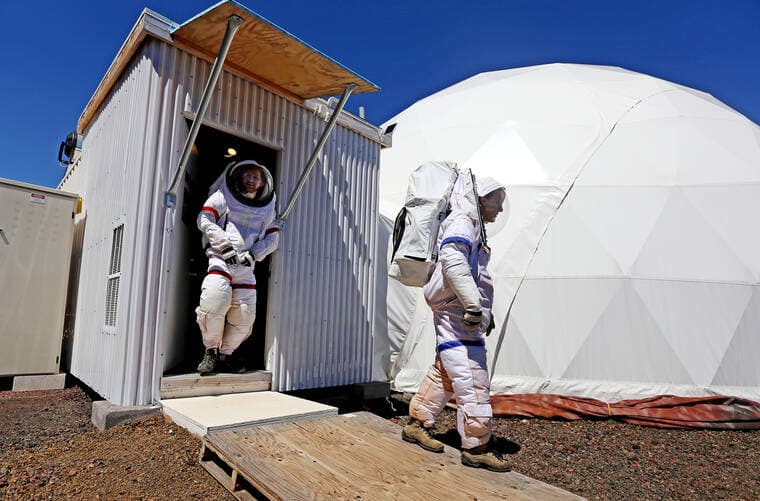
A bubble-like habitat on Mauna Loa could soon bring Mars and moon research back to Hawaii Island, reviving a site that has sat largely idle since 2018 and reconnecting the Big Island to a small but high-profile corner of the space economy.
The Hawaii Space Exploration Analog and Simulation, or HI-SEAS, launched in 2012 and ran six missions from 2013 to 2017 with support from NASA’s Human Research Program and University of Hawaii grants. The station was built to study how crews function in long-duration isolation, with research focused on food systems, behavior, stress and performance. Kim Binsted, the University of Hawaii at Mānoa professor who serves as HI-SEAS principal investigator, has described Mauna Loa as a “dress rehearsal” for human exploration because the landscape can stand in for the Moon or Mars in critical ways.
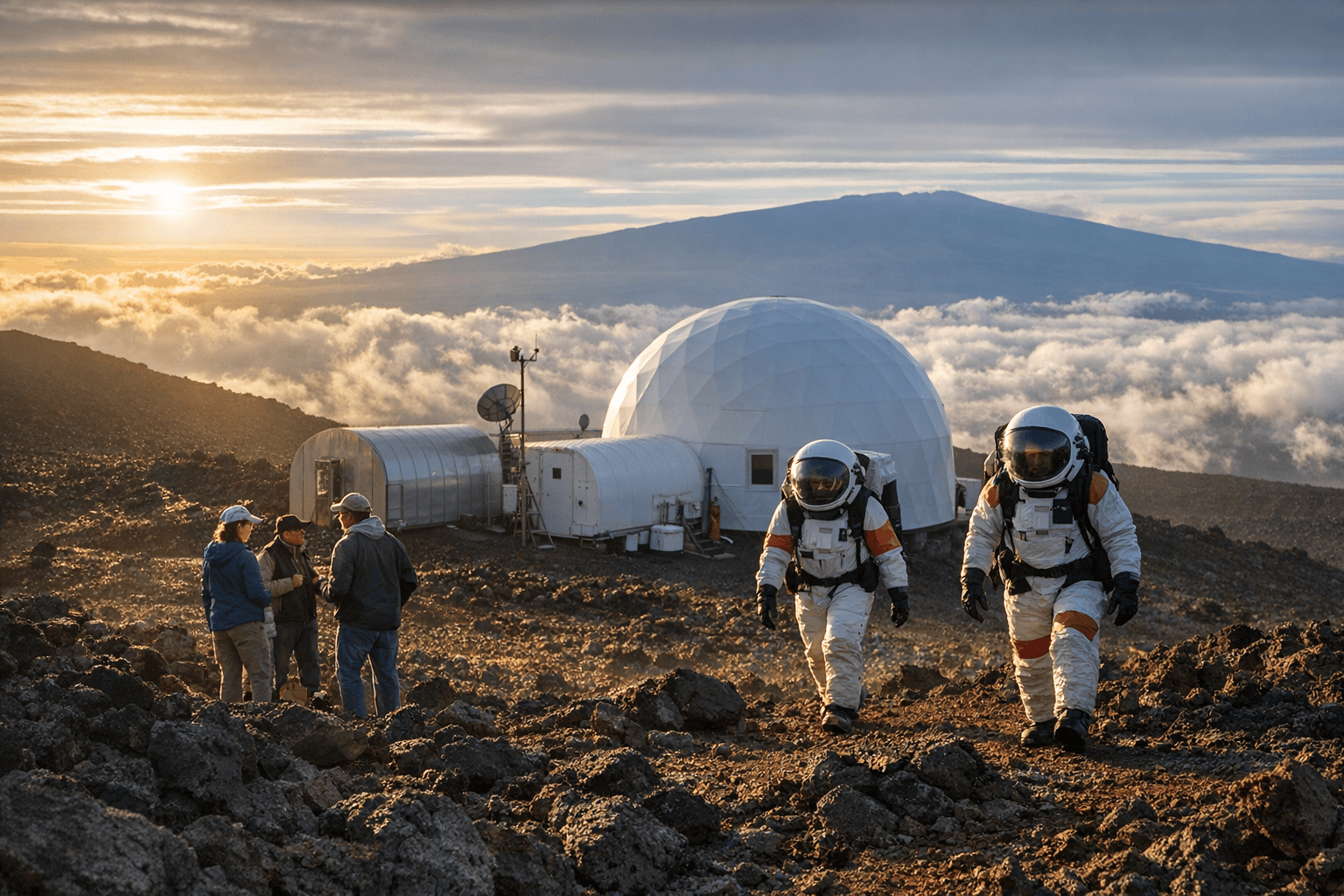
That work stopped after the university’s grant ended in 2018, following a Mission VI cancellation after a crew member withdrew after an incident. Now UH Mānoa says it has a new $750,000 NASA grant and has completed an environmental assessment aimed at resuming operations at the 0.5-acre HI-SEAS Habitat project. The draft review also contemplates limited new construction at the site.
The environmental assessment says the parcel is almost devoid of vegetation, with no rare, threatened or endangered species identified. Consultation and an archaeological survey found no cultural sites, resources or practices on the site. HI-SEAS sits inside the Mauna Loa Forest Reserve, a 54,820-acre area first designated on Dec. 2, 1948, placing the project within one of the most scientifically and ecologically significant landscapes in the state.
For Hawaii Island, a restart would mean more than another research project on a volcano. The habitat sits on Mauna Loa’s northern slope at about 8,000 to 8,200 feet above sea level, in a barren area of lava flows NASA chose for its remoteness and Mars-like terrain. NASA has said the site lies on the Pu‘ukāhilikū flow, about 1,800 years old, with younger nearby flows dating to about 450 years ago and 1899. If operations resume, the island could once again host visiting scientists, engineering tests and university partnerships tied to future lunar and Mars missions, while keeping Hawaii’s role in the space economy visible far beyond the crater rim.
This article was produced by Prism’s automated news system from verified source data, official records, and press releases, then run through automated quality and moderation checks before publishing. The system is built and supervised by the people who set the standards it runs under. Read our full AI policy.
Did this article answer your question?