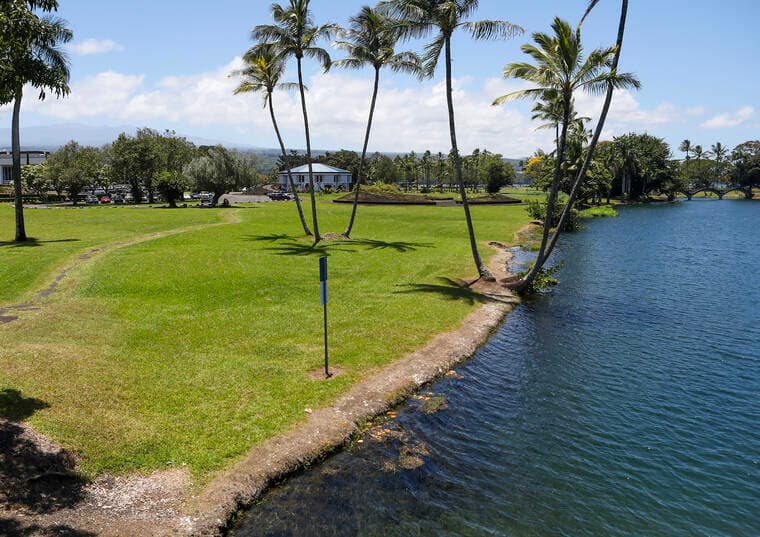
Mauna Loa remains quiet as earthquake activity eases in June
Mauna Loa’s June quake count fell to 94 from 170, but the summit still shifted slightly as the volcano stayed at NORMAL and GREEN.
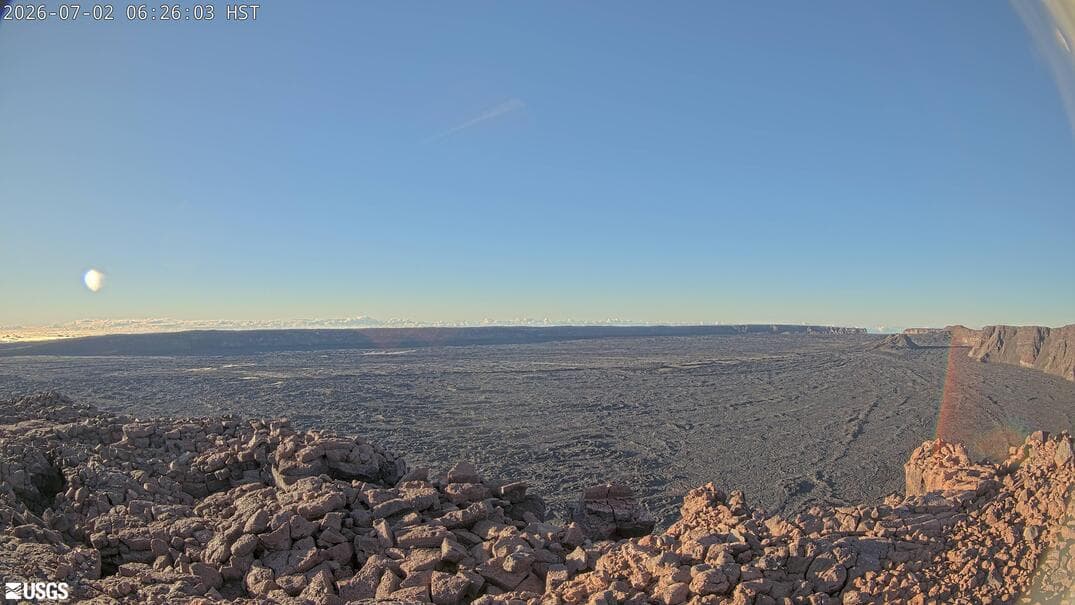
Mauna Loa calmed in June, but it did not go silent. The U.S. Geological Survey and Hawaiian Volcano Observatory said the summit region produced 94 earthquakes during the month, down from 170 in May, while the volcano remained at Volcano Alert Level NORMAL and Aviation Color Code GREEN.
The quakes were broadly scattered beneath Mokuāweoweo, the upper Southwest Rift Zone and the upper northwest flank. GPS instruments also showed slight contraction across the summit region during the past month, even as the broader post-2022 inflationary period continued to reflect refilling of the summit reservoir system. Gas and temperature readings at a station on the Southwest Rift Zone stayed near background levels, a sign that the mountain was not showing an immediate eruptive shift.
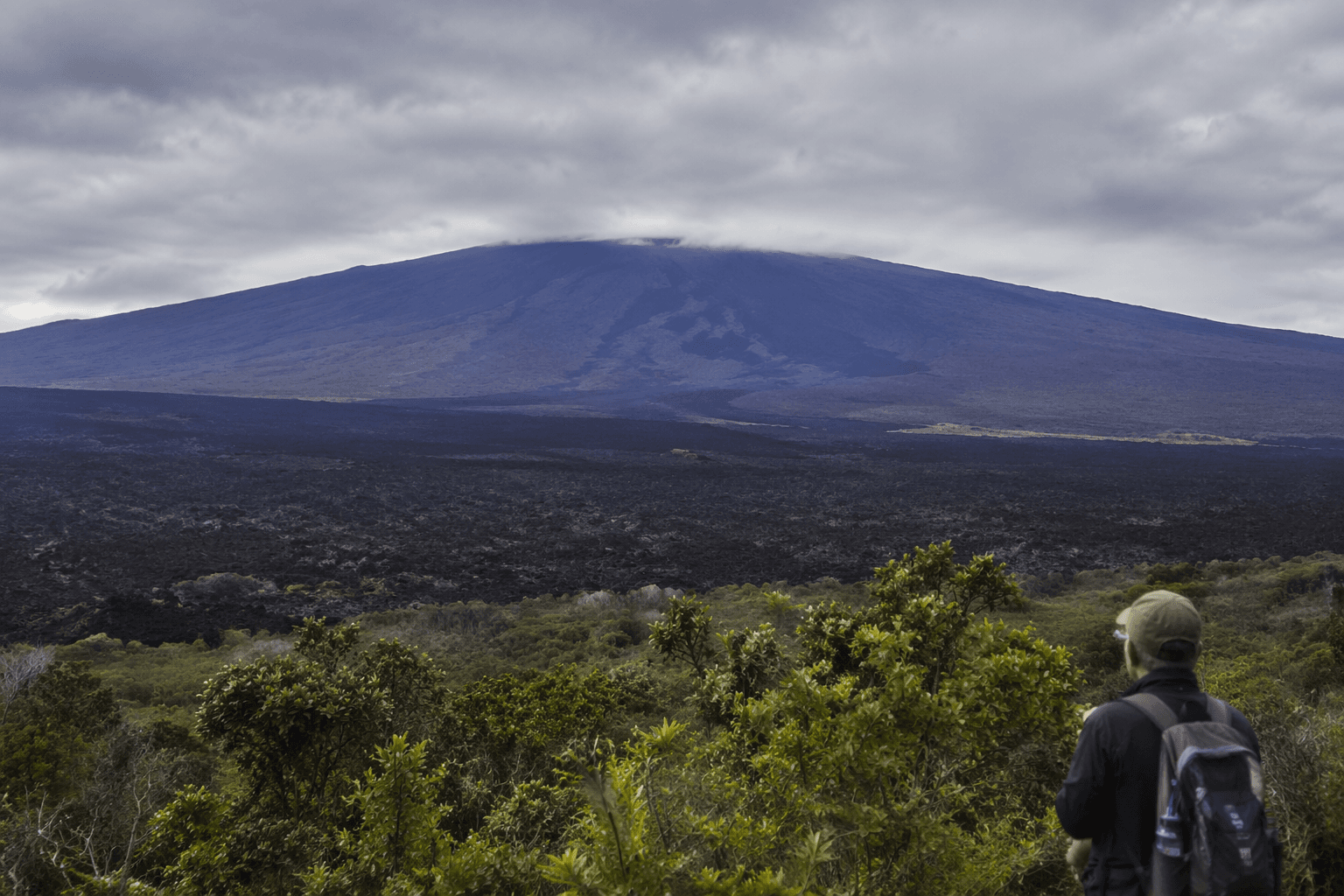
For Hawaii Island, that is the key point: fewer earthquakes do not mean the volcano is finished changing, and continued inflation does not automatically mean an eruption is imminent. It means Mauna Loa is still adjusting underground, and the signals scientists watch are moving in a quieter range for now.
The scale of the volcano is why each monthly update matters across the county. Mauna Loa is Earth’s largest active volcano and covers just over half of Hawaii Island. It has erupted 34 times since 1843, and lava has reached the ocean eight times since 1868. Its behavior can change quickly, with USGS noting that activity can move from a summit eruption to a flank eruption within hours, days or months.
The most recent eruption, in late 2022, came after a record 38-year repose and produced about 145 million cubic meters of lava and tephra over 15 days. Lava then came within 1.7 miles of Daniel K. Inouye Highway. USGS also points to the 1984 eruption, when lava came within 4.5 miles of Hilo, as another reminder of how far Mauna Loa’s hazards can reach.
That is why the June update matters to emergency planners, Hawaii Volcanoes National Park visitors, pilots, researchers and residents from Hilo to the South Kona and Kaū sides. The mountain is quiet now, but the monitoring network of GPS, tilt, gas and temperature instruments is still reading for changes that could matter fast if the pattern turns.
This article was produced by Prism’s automated news system from verified source data, official records, and press releases, then run through automated quality and moderation checks before publishing. The system is built and supervised by the people who set the standards it runs under. Read our full AI policy.
Did this article answer your question?