New rules aim to slow coconut rhinoceros beetle spread on Hawaii Island, Maui
A beetle found in a Waikoloa trap helped push rules that now tighten palm and green-waste shipments on Hawaii Island, Maui and Lānai.

State rules limiting coconut rhinoceros beetle host materials were passed July 30, tightening what landscapers, green-waste haulers, nurseries, farmers and interisland shippers can move on Hawaii Island and to Maui and Lānai. The change is aimed at stopping the beetle from moving more easily between affected areas, where palms in neighborhoods, resorts, farms and public spaces are at risk.
The Hawaii Department of Agriculture and Biosecurity’s Plant Industry Division labeled the measures Interim Rule 26-1 for Hawaii Island and Interim Rule 26-2 for Maui and Lānai. The rules target host materials that can carry the pest, including palm plants in the genera Cocos, Livistona, Phoenix and Pritchardia, along with other materials that can harbor adults or larvae. That puts new compliance pressure on businesses and property owners who move mulch, compost, nursery stock and palm material as part of routine work.
On Hawaii Island, the stakes are immediate. The Big Island Invasive Species Committee’s July 2025 Hawaii Island update labeled coconut rhinoceros beetle a severe threat to coconut, date and native loulu palms, and a state agriculture notice found one beetle in a trap in Waikoloa in 2024. For a county where palms shape streetscapes, resort grounds and commercial landscapes, every new transport rule affects the people who keep those systems moving.
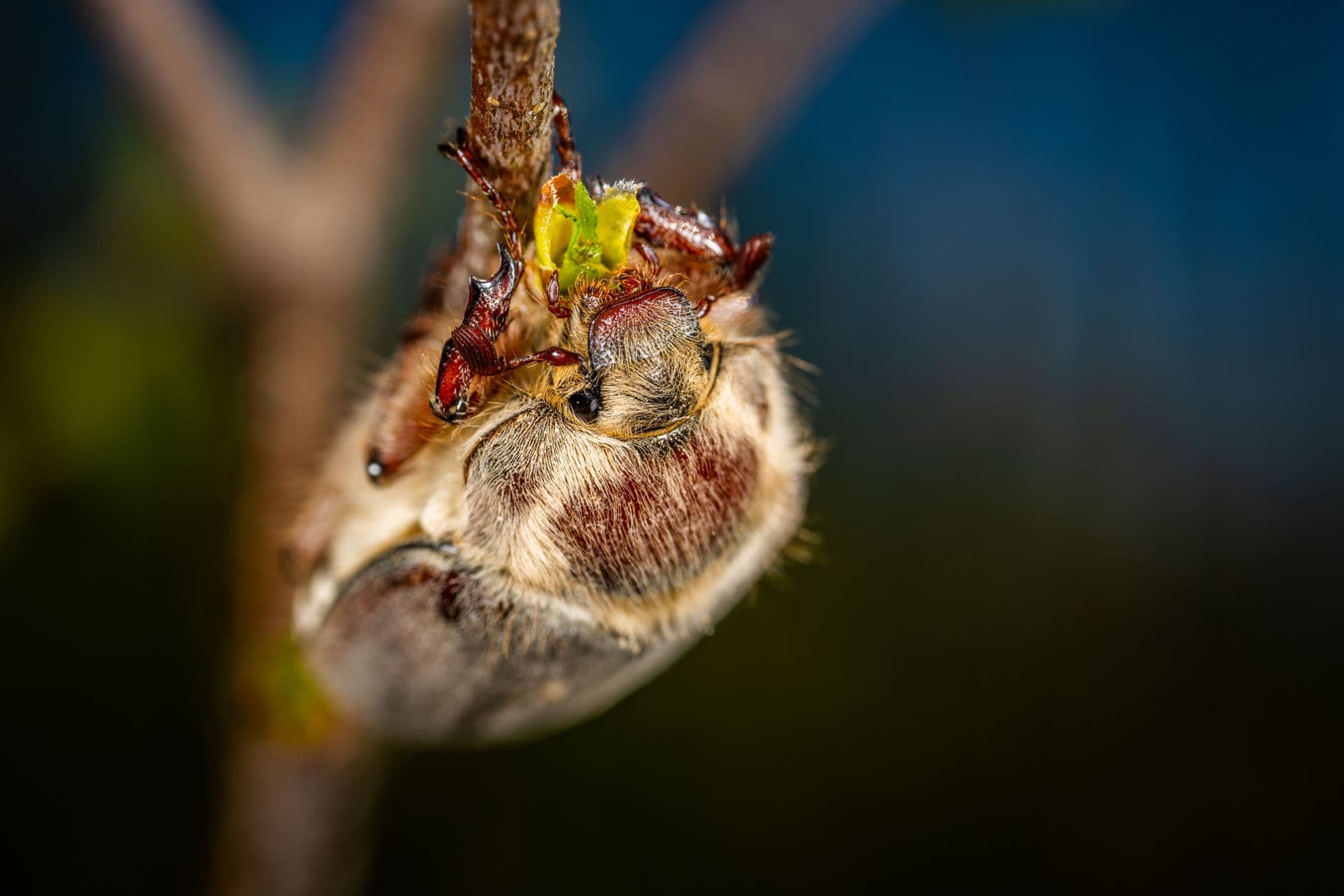
The state had been moving toward stricter controls for months. In an October 11, 2024 submittal, Jarett Lau, then acting entomologist with the Plant Quarantine Branch, asked for a finding that unrestricted inter-island movement of those palm genera and other host material could introduce CRB. On October 23, 2024, new invasive species rules advanced after long-awaited Board of Agriculture approval, and later state documents showed why the concern persisted: in June and July 2025, separate shipments of potted plants from Oahu to Lānai carried the beetle.
The state first spotted a suspect adult on December 23, 2013, at Joint Base Pearl Harbor-Hickam, then traced the primary breeding site within two weeks to a mulch pile at Hickam’s Malama Bay Golf Course. CRB response remains an emergency operation under incident command and is grant-funded through the University of Hawaii.
This article was produced by Prism’s automated news system from verified source data, official records, and press releases, then run through automated quality and moderation checks before publishing. The system is built and supervised by the people who set the standards it runs under. Read our full AI policy.
Did this article answer your question?