Officials warn of unusually active 2026 central Pacific hurricane season
Windward Hilo, Hamakua and rural south Hawaii Island face the first test of an active Central Pacific hurricane season, with NOAA calling for 5 to 13 storms.
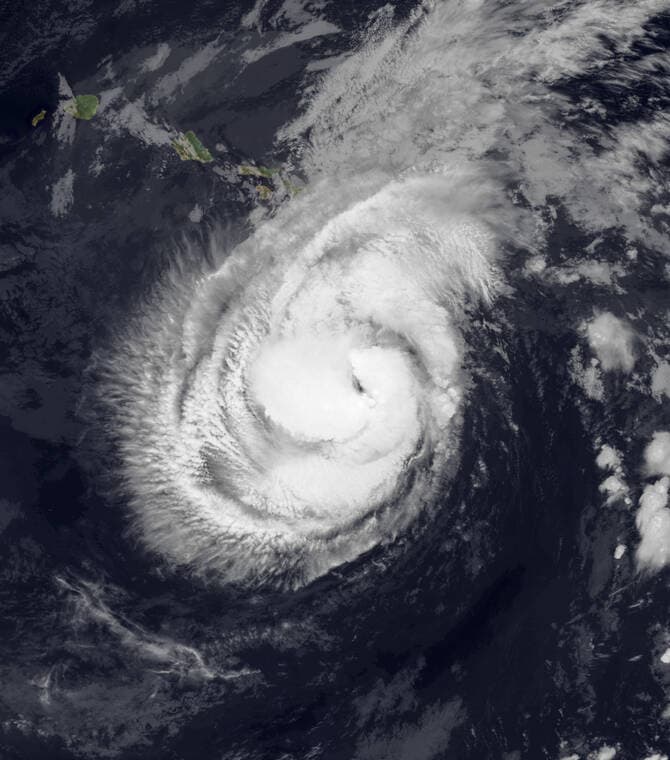
Windward Hilo, Hamakua and the rural southern districts of Hawaii Island are the places most likely to feel the first strain of an active Central Pacific hurricane season, through power loss, road washouts, flooding and water interruptions long before a storm makes landfall. Dry Kona is not insulated either, because strong winds, high surf and torrential rain can reach the island even when the center of a storm is hundreds of miles away.
NOAA issued its 2026 Central Pacific hurricane outlook on May 21 and gave the basin a 70 percent chance of an above-normal season, a 20 percent chance of near-normal activity and a 10 percent chance of below-normal activity. Forecasters projected 5 to 13 tropical cyclones in the Central Pacific, compared with a near-normal year of 4 or 5. The season runs from June 1 through November 30 in the basin north of the equator between 140°W and the International Date Line, and NOAA stressed that the outlook is a seasonal activity forecast, not a landfall forecast for any particular island or community.

The warning carried unusual weight in Honolulu, where Governor Josh Green, the National Weather Service, Hawaii Emergency Management Agency and county emergency management leaders gathered to lay out the outlook and what it means for households across the state. Green also proclaimed May as Hurricane Awareness and Preparedness Month, a push to get residents moving before the first watch is ever issued. HIEMA said preparedness begins before an emergency and depends on coordination from individuals and families through neighborhoods, counties, the state and federal partners.


For Hawaii Island households, the practical response starts with supplies and home checks. State guidance says families should plan for at least 14 days of food, water and other essentials, including medicine, chargers, important documents and cash, because access to electricity, food and water can be interrupted for some time. The same guidance urges residents to review family communication plans, inspect roofs and clear drainage now, not after the weather turns. The National Hurricane Center says routine issuance of the Tropical Weather Outlook will resume on June 1, a reminder that the watch for the season is about to begin and that the island’s exposed roads, utility lines and water systems will be tested first.
This article was produced by Prism’s automated news system from verified source data, official records, and press releases, then run through automated quality and moderation checks before publishing. The system is built and supervised by the people who set the standards it runs under. Read our full AI policy.
Did this article answer your question?