Public comment opens on future of Hawaii Volcanoes Kahuku Unit
Kaū residents have until July 1 to shape Kahuku’s future, including a day-use permit system, new trails and protections for 16,451 acres at Kahuku-Pōhue.
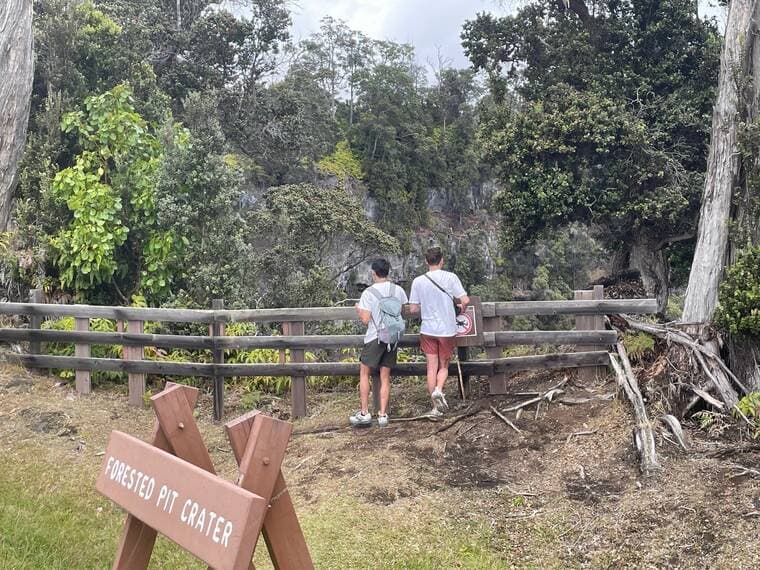
Kaū residents and Hawaii Volcanoes National Park visitors now have a short window to shape how the Kahuku Unit will work in practice, from access and trails to picnic areas, small campgrounds and protections for cultural and natural sites. The plan under review would also steer a day-use permit system for Kahuku-Pōhue, a sign the park is trying to widen access without letting foot traffic overwhelm a sensitive landscape.
The park opened public comment on the Comprehensive Site Management Plan and Environmental Assessment on June 2, and the window closes July 1 at 8:59 p.m. HST, which is 11:59 p.m. Mountain Time. A first talk-story session was held June 13 from 11 a.m. to 1 p.m. at the Kahuku Visitor Contact Station, and a second is set for June 16 from 6 p.m. to 8 p.m. at the Nāālehu Community Center. Park officials are also accepting comments online through the park’s planning pages.

For Kaū, the stakes go well beyond a park document. The Kahuku Unit is made up of Upper Kahuku, Lower Kahuku and Kahuku-Pōhue, on land that stretches mauka and makai of Māmalahoa Highway, about 42 miles south of the main Hawaii Volcanoes National Park entrance. The plan says it will guide interpretive and educational activities, picnic areas, additional trails and small campgrounds, with a long-term goal of opening the Kahuku Unit full-time like the rest of the park.
Kahuku-Pōhue carries some of the heaviest management issues in the unit. The parcel was transferred to National Park Service stewardship on July 12, 2022, and covers 16,451 acres. Park officials say the area includes the largest recorded abrader quarry in Hawaii, lava tubes, ancient coastal trails, fishing shrines and petroglyphs, along with habitat for endangered Hawaiian hawksbill turtles and Hawaiian monk seals. Public access is still temporarily restricted while interim operating procedures are completed, and the site still lacks bathrooms, formal parking, trash removal capacity and adequate emergency response support.
The planning effort also reflects years of work to restore the land itself. In 2018, park officials said more than 7,000 mouflon sheep had been removed from Kahuku over 15 years, with about 60 miles of fencing already built and roughly 70 miles expected when lower-unit fencing was finished. That history is part of why this plan matters now: it will help determine whether Kahuku becomes a lightly managed backcountry-like destination, a more developed visitor area, or something in between.
This article was produced by Prism’s automated news system from verified source data, official records, and press releases, then run through automated quality and moderation checks before publishing. The system is built and supervised by the people who set the standards it runs under. Read our full AI policy.
Did this article answer your question?