Public invited to weigh in on Kohala forest protection plan
Protecting 1,200 Kohala acres could strengthen streams and aquifers that support homes, ranches and farms from North Kohala to Hāmākua.
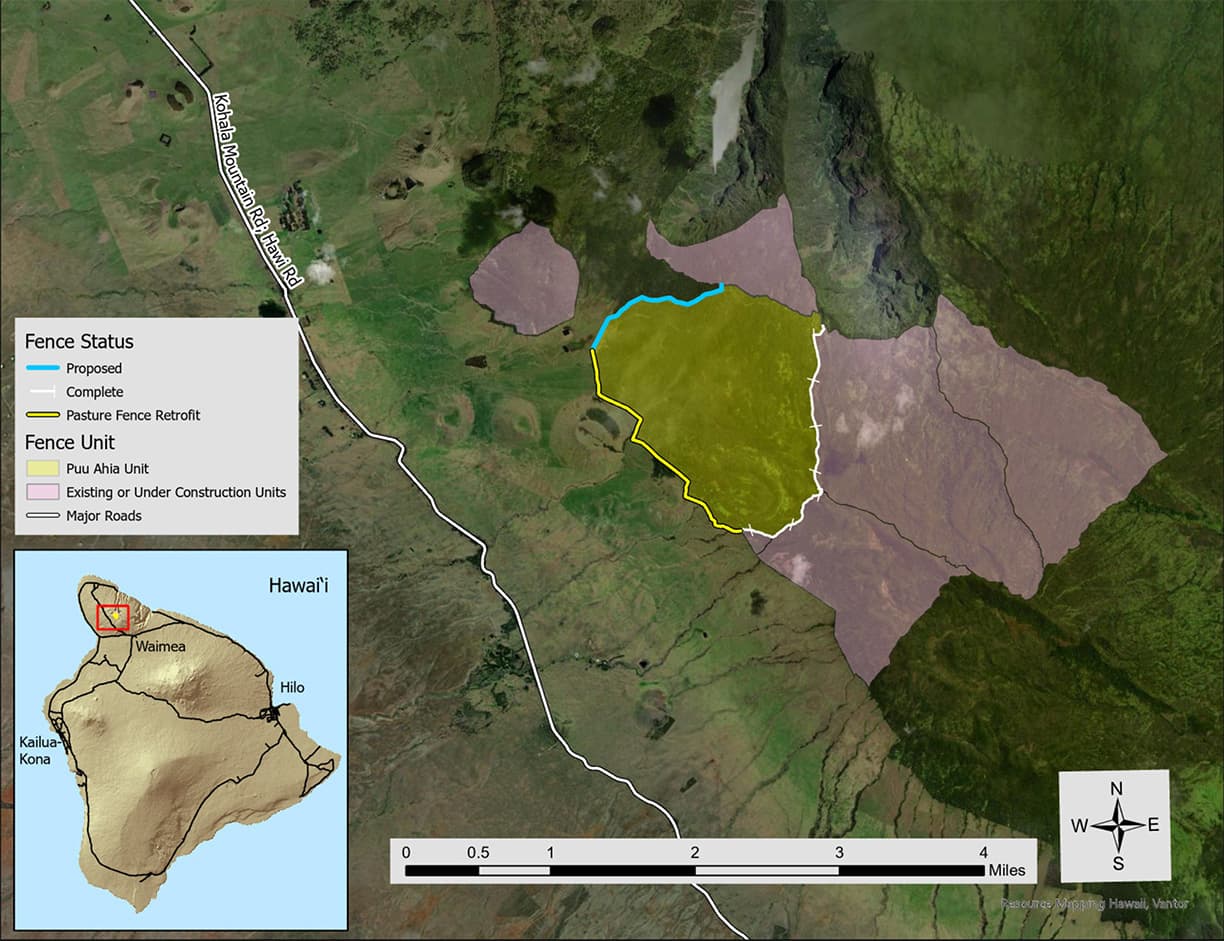
Protecting 1,200 acres on Kohala Mountain would do more than preserve a patch of native forest. Supporters say it would help hold water in the ground, recharge streams and aquifers, and steady the water supply that reaches homes, ranches and farms in North and South Kohala and parts of Hāmākua.
The project focuses on 1,200 acres of the Puu o Umi Natural Area Reserve and adjacent private lands near Puu Ahia. The state Department of Land and Natural Resources said the effort is being carried out with the Division of Forestry and Wildlife, the Kohala Watershed Partnership and National Oceanic and Atmospheric Administration funding through the Pili Nā Moku Project. DLNR said the work is supported by Fiscal Year 2024 NOAA funding.

The public input push also comes with a June 27 visit for community members to talk story with project partners. DLNR has also pointed residents to an educational StoryMap, Expanding Protection of Our Kohala Forest, which lays out the project’s benefits, management challenges and next steps.
The stakes are rooted in the forest itself. Puu o Umi Natural Area Reserve covers 10,142 acres and was established on July 9, 1987. DLNR describes it as including the wet summit lands of the Kohala Mountains, rare montane bogs, numerous streams and watershed areas that extend down to the Kohala sea cliffs. The reserve contains 13 natural communities, 124 native plant taxa and 7 native animal taxa.
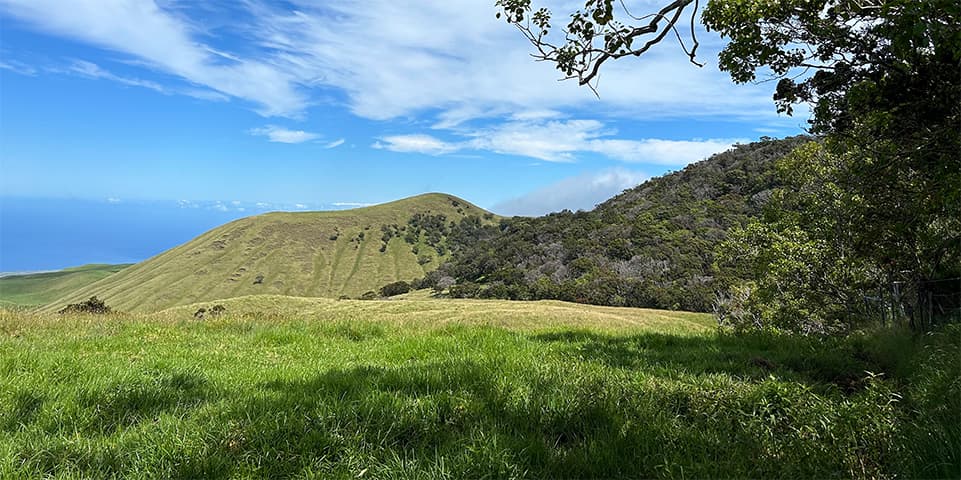
That ecosystem matters because Kohala’s native forest is part of the island’s natural water infrastructure. When the forest canopy and understory are healthy, they help capture rain and fog, slow runoff and support groundwater recharge. When the forest is degraded, more water can race off the mountain instead of soaking in, leaving downstream communities with less resilience during dry spells.
Those pressures have grown sharper in recent years. DLNR said the previous year’s drought in Kohala was historically severe, and officials warned that a drier, hotter climate makes forest protection even more urgent. The Kohala Watershed Partnership has worked across the mountain range since 2003, and the project fits into the broader 30x30 watershed goal to protect 30% of priority watershed forests by 2030.

Invasive species and Rapid Ōhia Death have added to the strain. DLNR said studies found two to 69 times more suspected dead ōhia trees in unfenced areas with feral pigs than in nearby fenced, protected areas. Rapid Ōhia Death was first identified on Hawaii Island in 2014, and DLNR said it has killed more than a million lehua ōhia statewide. Because ōhia makes up about 80% of Hawaii’s native forests, the loss cuts deep into habitat, watershed health and wildfire resilience.
This article was produced by Prism’s automated news system from verified source data, official records, and press releases, then run through automated quality and moderation checks before publishing. The system is built and supervised by the people who set the standards it runs under. Read our full AI policy.
Did this article answer your question?