State Audit: Hawaii DOE Spent Only 5.4% on Local Foods, Missing 10% Target
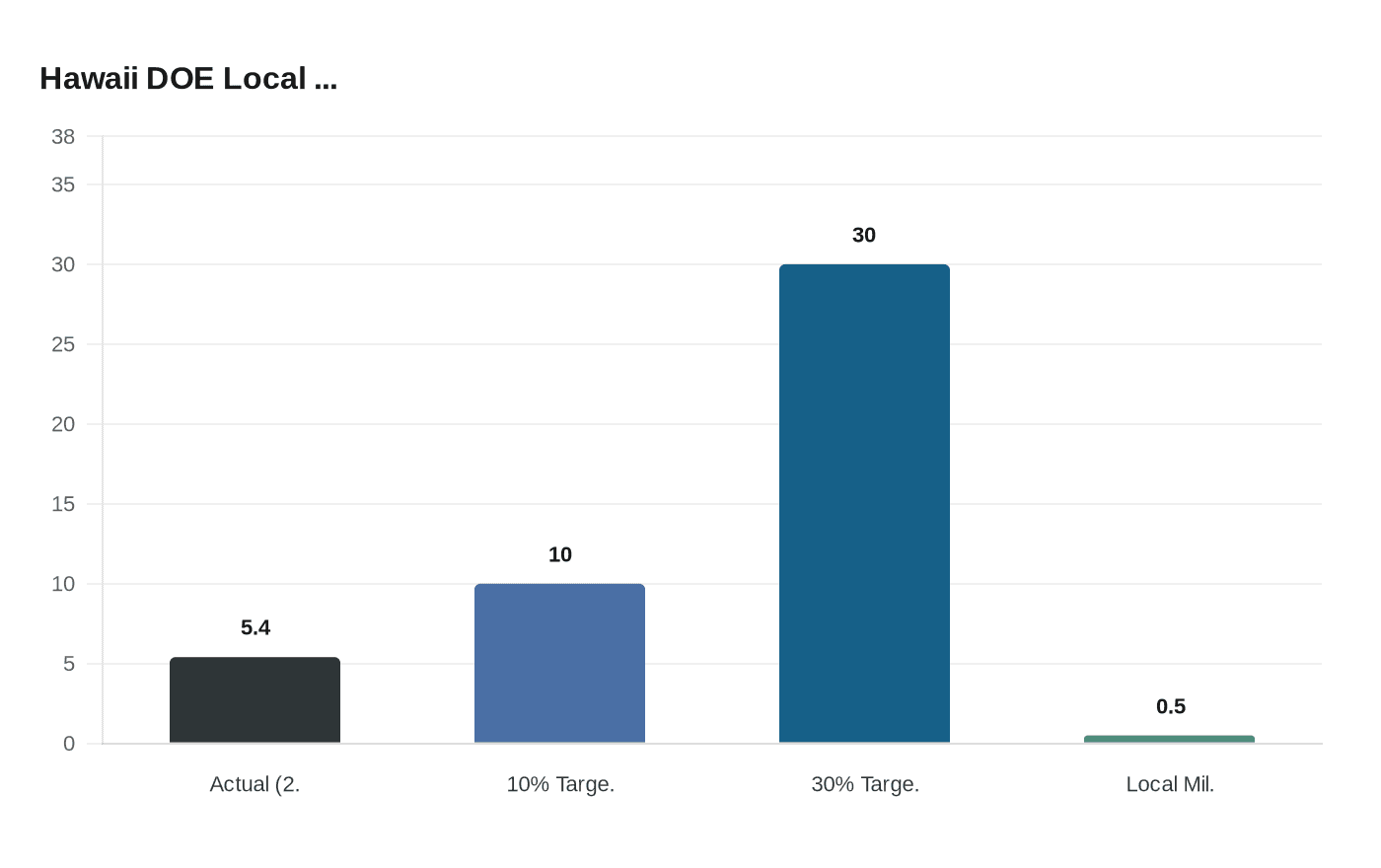
Hawaii's DOE spent just 5.4% on local foods in 2023-24, roughly half the 10% target lawmakers set for 2025, with auditors calling the shortfall largely a result of "happenstance."
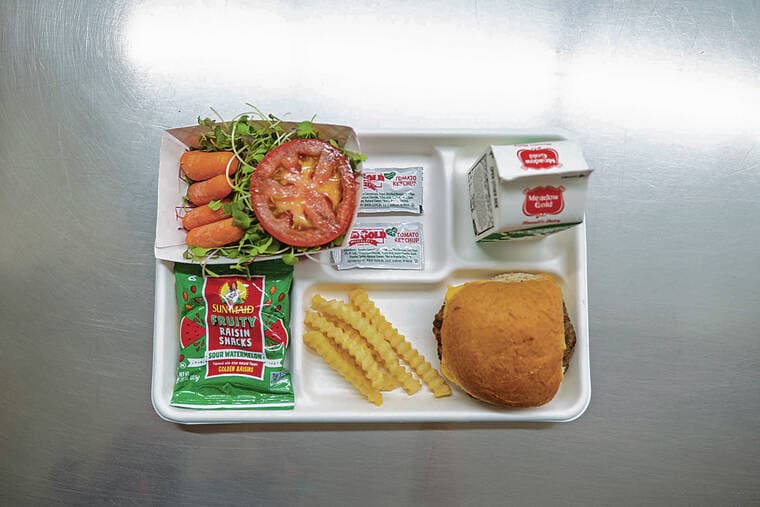
The Hawaiʻi Department of Education spent five years and roughly $82 million on school food in 2023-24 without building the basic systems needed to buy locally grown ingredients at the rate the Legislature required, according to a March 2026 performance audit from the State Office of the Auditor.
DOE reported only 5.4% of its food purchases during School Year 2023-2024 were locally sourced, falling far short of the 10% statutory target that took effect January 1, 2025 under Act 176 of the 2021 Session Laws. The Legislature has also set a 30% local-food benchmark for 2030. State Auditor Les Kondo was unsparing in his assessment. "The legislature made its wishes clear in 2021, but DOE did not respond with the urgency or structure that compliance required," Kondo said. "The plan that has since emerged is incomplete and problematic because it rests on assumptions about supply and cost that were never validated."
Report No. 26-08 found that DOE "did not develop a strategic plan, policies, or procedures to guide its Farm to School Program," and that what local purchasing did occur happened largely by chance. "Without reliable data and a coordinated strategy, DOE cannot demonstrate progress toward meeting legislative goals or ensure that local purchasing decisions are deliberate rather than happenstance," the audit states.
The scale of the program makes the organizational failures consequential. In SY 2023-24, DOE served more than 4.6 million breakfasts and 14.3 million lunches statewide. Yet the Farm to School Coordinator position, created by law to anchor the program, sat vacant for more than two years. When the role was finally filled, the audit found DOE did not give the incumbent sufficient authority to do the job.
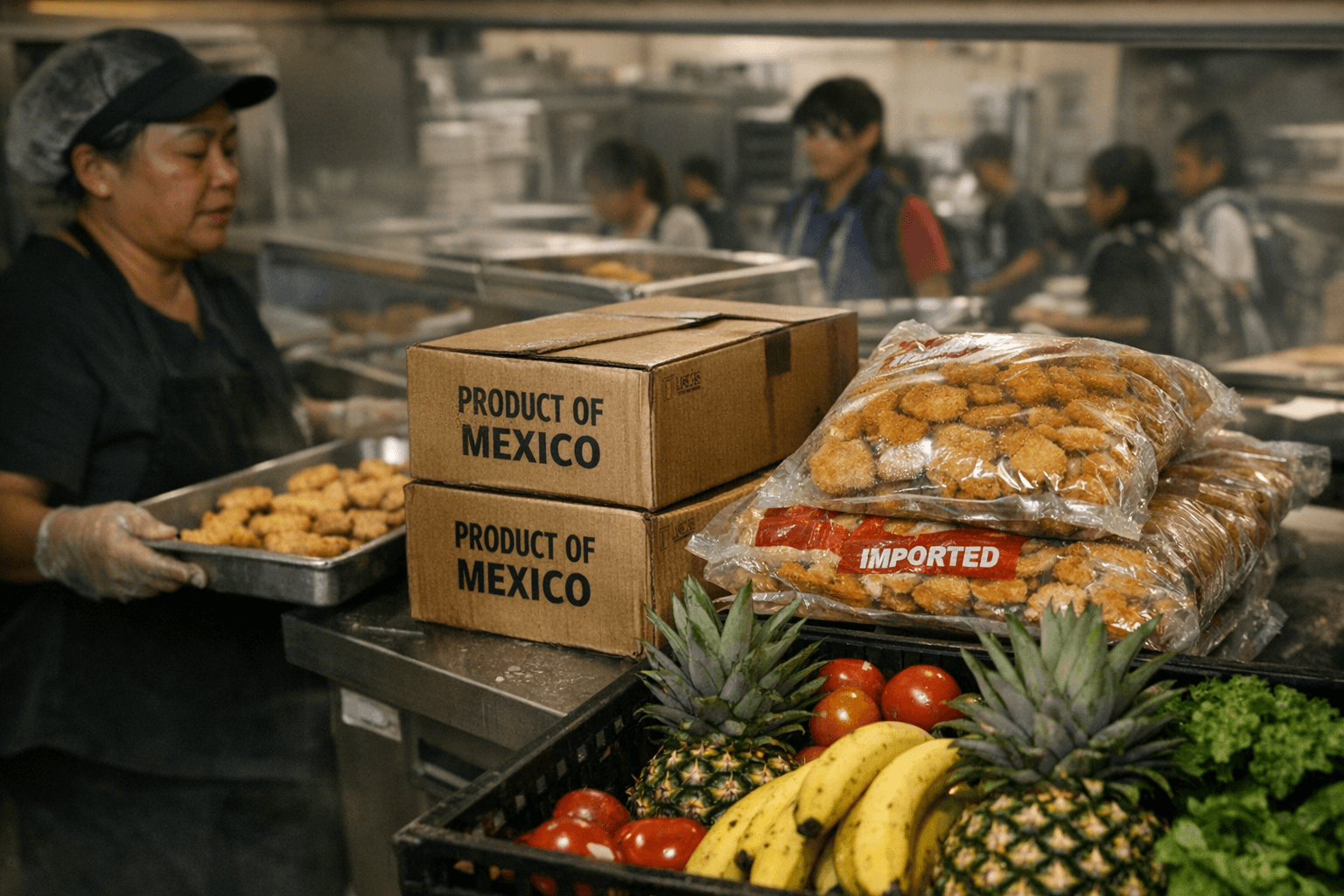
The department's data problems compound its planning failures. DOE maintains distributor lists for produce, dairy, and ground beef, but those lists make no distinction between locally grown and imported items. Its record system does not track whether individual purchases are local at all. Annual Farm to School spending reports showed discrepancies with DOE's reports to the Legislature ranging from $700,000 in SY 2023-24 to an $11.2 million gap the prior year.
Two specific strategies drew sharp criticism. DOE officials had believed that milk purchases alone would carry the department to its 10% target. It was not until after SY 2023-24 that the department recognized the flaw in that calculation: local milk represented just 0.5% of schools' meal budgets. The department's other flagship proposal, building multimillion-dollar regional kitchens to expand use of local ingredients, was "not supported by adequate research or data," the audit found, and lacked any plan for how DOE would work with local farmers to supply them at scale. The audit noted DOE had not assessed whether Hawaiʻi's farmers, ranchers, and distributors have the production capacity, processing capability, or distribution infrastructure to meet the demand the law requires.
Skepticism about the 2030 target runs deep among those who know the supply chain. Local distributors have said they do not believe 30% is achievable by 2030, pointing to crops like broccoli and carrots that grow poorly in Hawaiʻi and farmers who cannot currently produce at the volume DOE would need.
DOE broadly agreed with the audit's recommendations. Superintendent Keith Hayashi pledged the department will complete all recommendations by 2028 or take annual action on them. The department says it is transitioning to standardized menus in the 2026-2027 school year and moving to electronic food ordering systems designed to prioritize local purchases and ensure USDA credits are fully used. DOE also requested 13 new positions and nearly $1.5 million to support Farm-to-School initiatives in its FY2027 budget, but the governor denied both requests.
The audit closes with a warning about what must come first: "If DOE is to meet the 30 percent mandate by 2030, it must first develop the foundational systems necessary to understand what local products are available, what foods offer the best opportunity for substitution, and how procurement and menu planning can be aligned with Hawaiʻi's agricultural capacity.
This article was produced by Prism’s automated news system from verified source data, official records, and press releases, then run through automated quality and moderation checks before publishing. The system is built and supervised by the people who set the standards it runs under. Read our full AI policy.
Did this article answer your question?