State to survey, restore neglected Mauna Ziona Cemetery in Kona
Survey crews began mapping Mauna Ziona Cemetery in Kona, a neglected state burial site now part of a $2.3 million restoration push after years without dedicated maintenance funding.
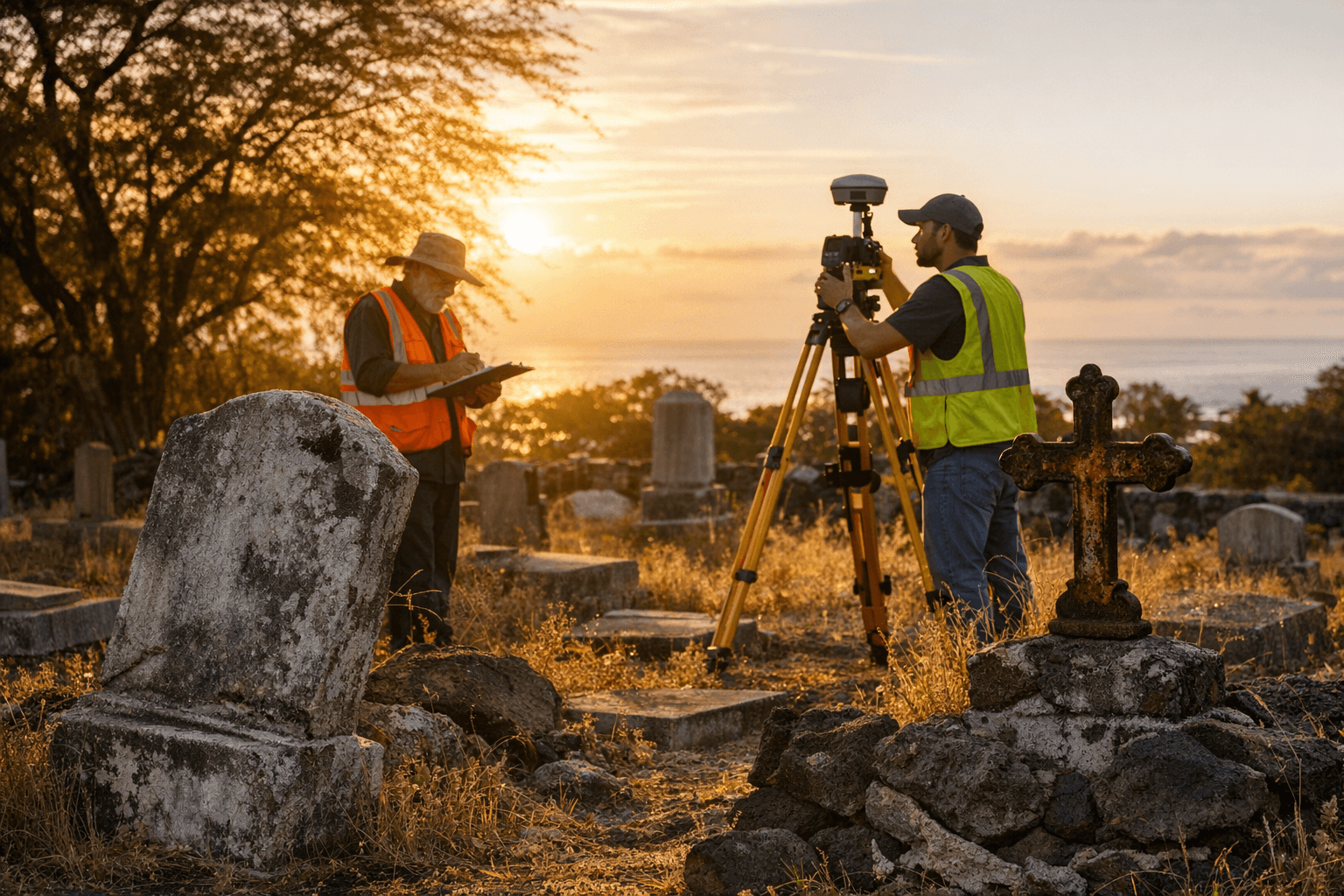
State crews began the first step toward restoring Mauna Ziona Cemetery in Kailua-Kona, one of eight neglected state-owned burial sites now slated for survey and repair across Hawaii. The Kona site is listed in the work order as Kalaoa 4th Cemetery, at 73-4297 Māmalahoa Highway, and the state expects the full survey work to take about 10 weeks.
The effort reaches beyond a single burial ground. The Department of Accounting and General Services said the eight properties together cover 27 acres of state land and include more than 5,900 interments, a scale that underscores how long the sites were left without adequate attention. DAGS said the cemeteries had been long neglected and that the state has now secured $2.3 million over two fiscal years to begin proper maintenance.
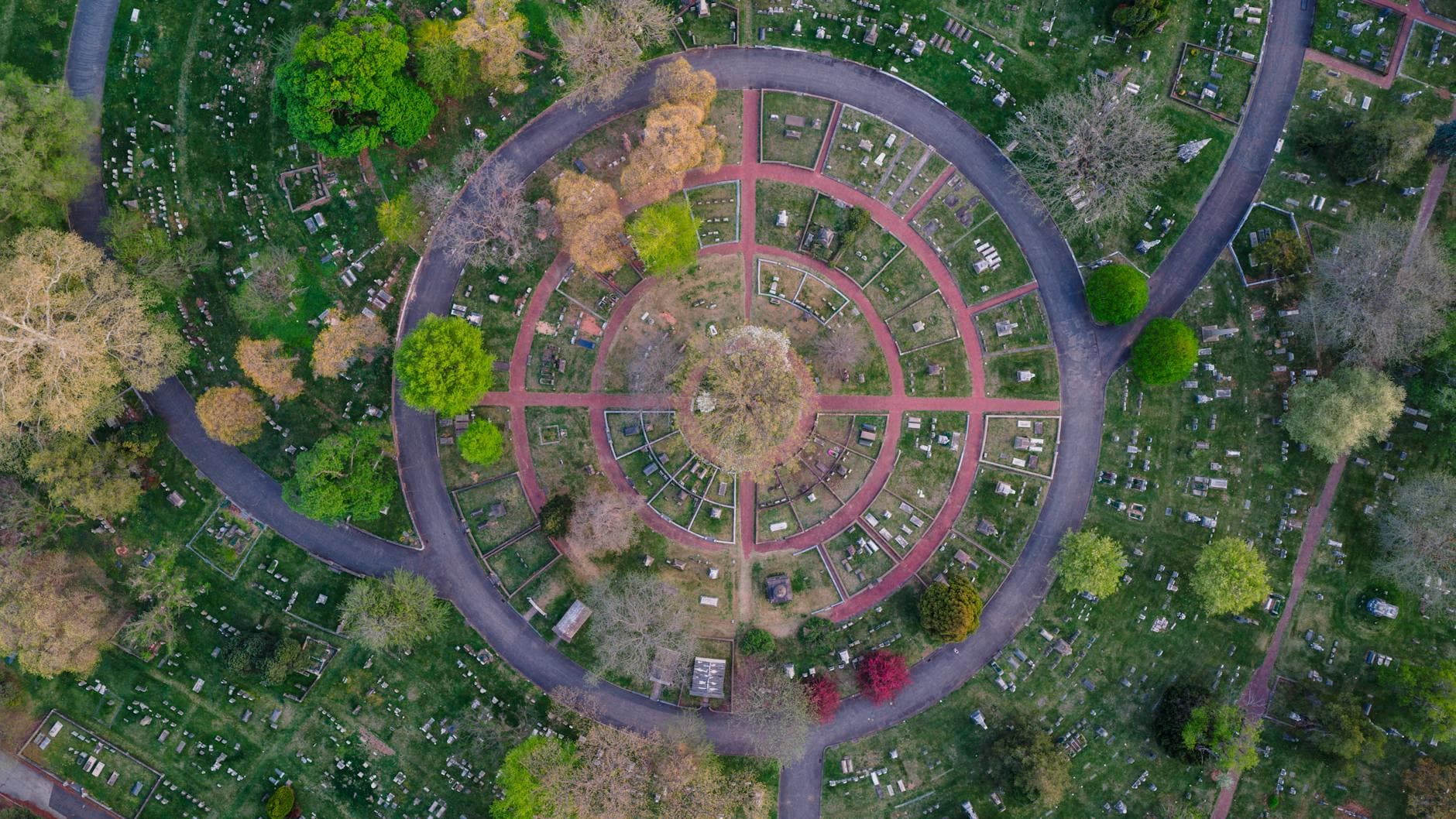
At Mauna Ziona, the immediate task is to reestablish the cemetery boundaries. Survey crews were scheduled to start Thursday, April 23, and drones were to be used to take aerial images so the limits of each cemetery can be mapped more accurately. That work matters in Kona, where the cemetery sits along a major highway corridor and where unclear boundaries can affect day-to-day stewardship, future maintenance and the risk of graves being lost, damaged or encroached upon.
The restoration push also exposes the accountability gap behind the neglect. State officials now say the cemeteries deserve proper care, but they also acknowledged there had been no dedicated state money for maintenance before the new funding arrived. That means the current project is not just a cleanup effort. It is a test of whether the state can translate a new appropriation into lasting stewardship for burial grounds that hold the remains of thousands of families’ ancestors.
For Big Island residents, Mauna Ziona is the most visible local piece of that broader policy shift. Restoring the cemetery’s boundaries may help settle management questions and support future upkeep, but the larger issue is whether the state will keep funding the work after the survey crews leave. With 27 acres and 5,900 burials in the system, the question now is whether Hawaii is finally building a long-term plan for these sites or simply responding after years of damage have already been done.
This article was produced by Prism’s automated news system from verified source data, official records, and press releases, then run through automated quality and moderation checks before publishing. The system is built and supervised by the people who set the standards it runs under. Read our full AI policy.
Did this article answer your question?