Study finds vehicle collisions drive most pueo deaths in Hawaii
Cars and other trauma caused most documented pueo deaths statewide, and two-thirds of trauma cases were tied to vehicles or roads.
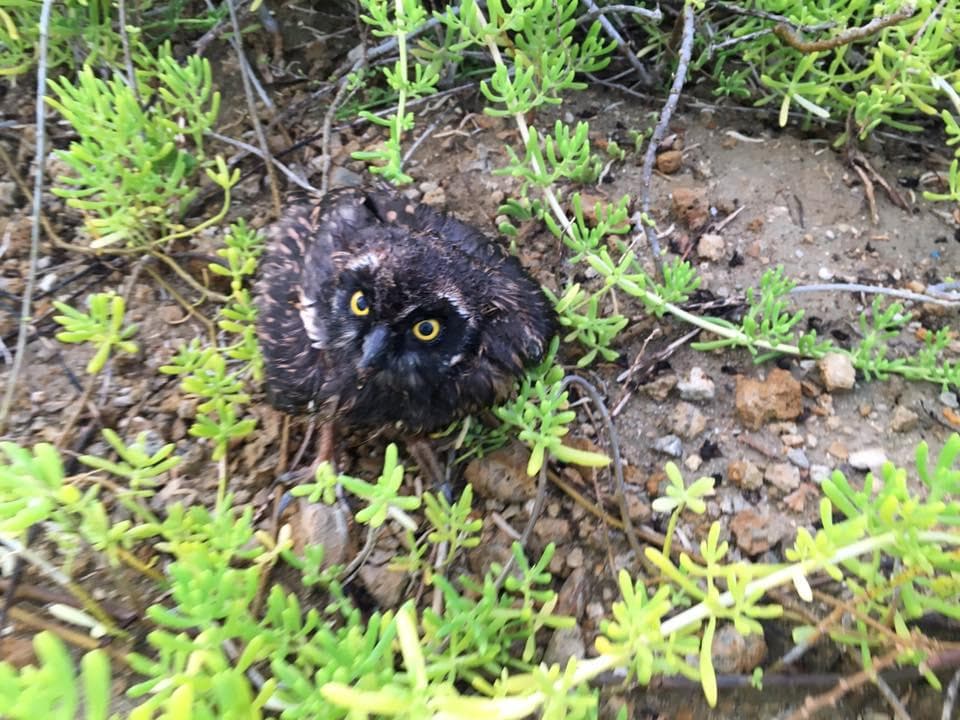
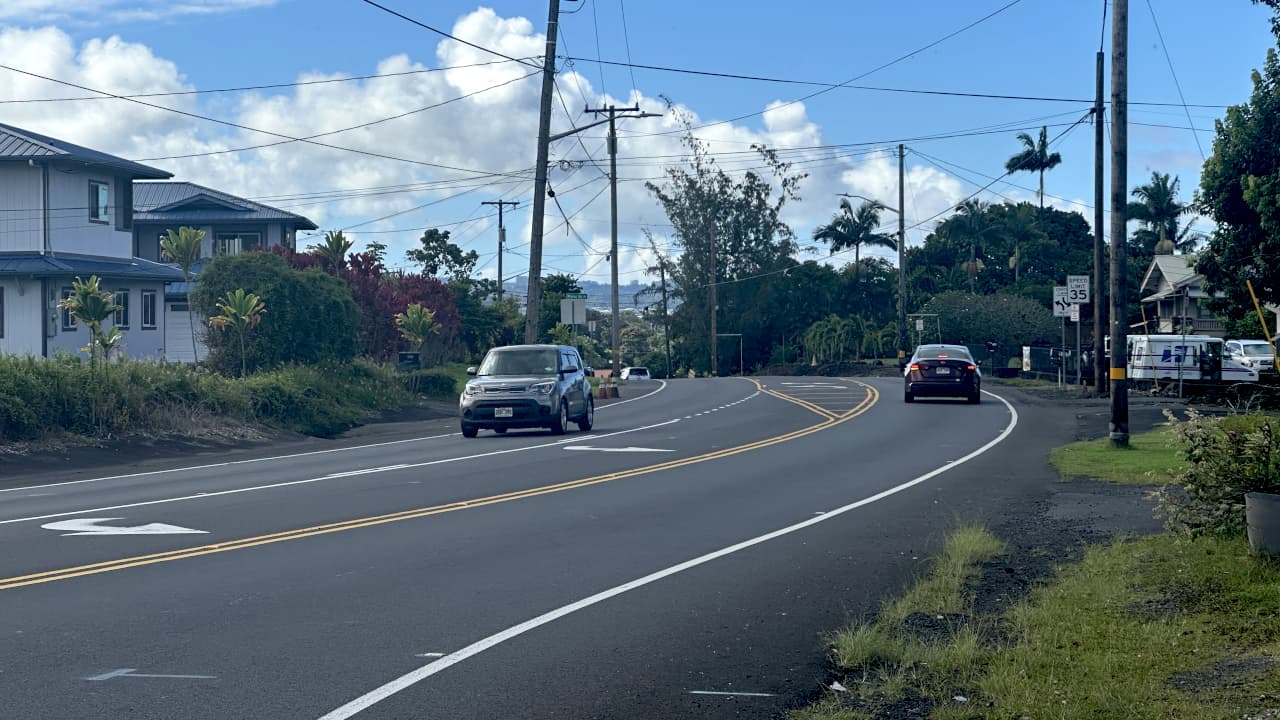
Vehicle collisions and other trauma caused most documented pueo deaths in Hawaii, and two-thirds of those trauma cases were tied to cars or happened near roads. The University of Hawaii at Mānoa study tracked 242 pueo mortality records from 1993 to 2024, making it the most extensive statewide assessment yet of the Hawaiian short-eared owl.
Researchers in the Department of Natural Resources and Environmental Management at UH Mānoa’s College of Tropical Agriculture and Human Resilience pulled records from 10 organizations across the islands. Trauma accounted for 62% of the deaths they documented, while wind turbines made up 13% of trauma-related fatalities. Unknown causes covered 19% of the records, and emaciation and disease also appeared in the dataset. The highest number of mortalities was recorded in July, with deaths generally higher from June through August.

On Hawaii Island, pueo move through open pasture lands, grasslands, shrublands, montane parklands and urban edges that overlap with roads and new development. The Hawaii Department of Land and Natural Resources has documented vehicle collisions on Lānai and the island of Hawaii, and the state wildlife action plan identifies the owls’ hunting behavior and habitat use as risk factors. Pueo are the only native raptor that breeds on all the main Hawaiian Islands, and the species is state-listed as endangered on Oahu.
Melissa Price, the study’s senior author, tied the results to how many pueo deaths may be preventable and to reducing vehicle collisions and increasing awareness about rodenticide use as conservation steps. Thierry Work of the U.S. Geological Survey: wildlife mortality is often complex, and without systematic necropsies and toxicology testing it is hard to separate the effects of rodenticides, disease and other underlying conditions. Olivia Wang of the U.S. Fish and Wildlife Service: the study adds to evidence that native Hawaiian birds are often killed by vehicle and infrastructure collisions, and understanding the scale of the threat can help target management and outreach.
The paper calls for a statewide wildlife-mortality reporting system and more necropsy-based studies.
This article was produced by Prism’s automated news system from verified source data, official records, and press releases, then run through automated quality and moderation checks before publishing. The system is built and supervised by the people who set the standards it runs under. Read our full AI policy.
Did this article answer your question?