Twelve visitors to explore Big Island farms, gardens and ecosanctuary
A small group of 12 visitors will take an eight day tour of off the beaten path sites on the Big Island from Jan. 4 to Jan. 11, connecting with local gardens, farms and a riverside ecosanctuary. The trip is designed to support regenerative projects and community resilience, raising questions about economic benefits for hosts, public health preparedness and equitable stewardship of island resources.
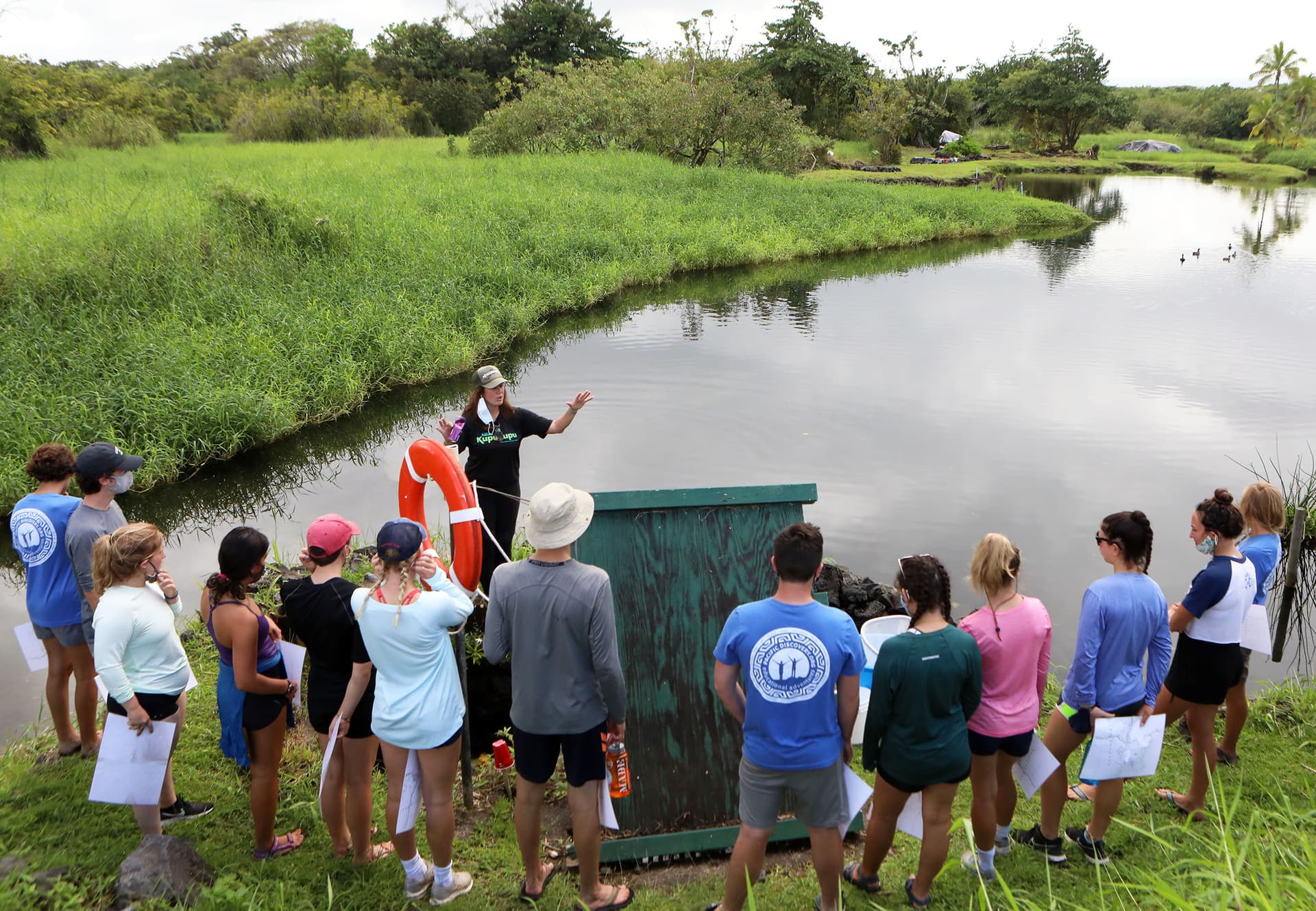
Twelve visitors will travel across the Big Island from Jan. 4 to Jan. 11 on an eight day, eight location experience organized by Ecovillage Tours. The all inclusive program is intended to showcase communities that do not normally host mass tourism, highlighting indigenous practices, regenerative farming and communal living. Stops will include local gardens, small farms and a riverside ecosanctuary that are actively engaged in sustainability work.
The tour will be led by Kona resident Katarina Zavalny, who is a lead volunteer with the Kona Resilience Hub and founder of Aranya Solutions, a nonprofit that develops programs and trains communities to be self sustaining. Organizers say the itinerary aims to connect visitors directly with island initiatives while channeling revenue to small farms and regenerative projects that often operate outside the conventional tourism economy.
For Big Island residents the visit matters on several fronts. Small farm income from tourism can bolster local food systems and help sustain conservation work, while experiential visits can raise awareness of traditional land stewardship and resilience strategies. Because the group is limited to 12 visitors, impacts on fragile sites are expected to be lower than conventional tours, yet any increase in visitation to secluded areas brings trade offs for host communities.

Public health and emergency planning are also part of the local picture. Remote farms and ecosanctuaries often do not have immediate access to medical services, and even small groups can strain neighborhood resources during a health emergency or severe weather event. Community resilience efforts such as the Kona Resilience Hub aim to strengthen local preparedness and mutual aid, and partnerships with tour organizers create opportunities to amplify that work.
Equity and consent remain central concerns. Ensuring that indigenous hosts and small land stewards receive fair compensation, control how their practices are presented, and retain decision making authority over visits will determine whether the model supports long term community benefit. County officials, public health planners and community leaders will need to balance economic opportunity with protections for cultural sites, natural resources and local wellbeing as similar initiatives expand.
This article was produced by Prism’s automated news system from verified source data, official records, and press releases, then run through automated quality and moderation checks before publishing. The system is built and supervised by the people who set the standards it runs under. Read our full AI policy.
Did this article answer your question?