UH launches AI chatbots across campuses to bolster student supports
The University of Hawaiʻi rolled out AI chatbots across all 10 campuses to handle routine student services. The move aims to improve access and free staff for more complex student support.
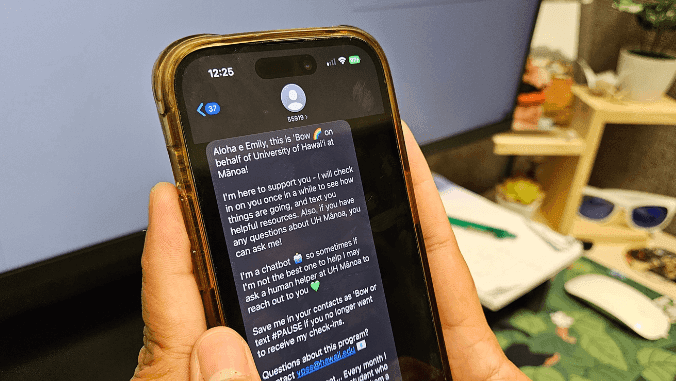
The University of Hawaiʻi system launched proactive AI chatbot tools across its 10 campuses on January 14, 2026, as part of a broader student-success strategy designed to streamline routine services and improve responsiveness for students statewide. Administrators described the rollout as a milestone in the system's use of technology to expand access, including to neighbor-island campuses such as UH Hilo.
The chatbots are programmed to answer routine inquiries, send reminders about deadlines and connect students to campus resources, allowing front-line staff to concentrate on higher-touch services that require human judgment. University officials emphasized that the tools are intended to complement, not replace, live advisors, with escalation paths to human staff for complex or sensitive issues. The initiative also includes stated privacy protections and human oversight as core safeguards.
Implementation will include staff training and ongoing evaluation. The university has outlined steps to monitor chatbot performance and student satisfaction, and to refine the systems based on user feedback and measured outcomes. These evaluation mechanisms are intended to track accuracy, timeliness and student experience, and to ensure escalation procedures function when students present needs that require human intervention.
For residents of Big Island County, the change has practical consequences. UH Hilo students may see faster responses to basic administrative questions, more timely reminders about registration and deadlines, and easier connections to campus counseling, financial aid and tutoring resources. Campus offices that previously handled high volumes of routine traffic may be able to reallocate time to outreach, case management and retention efforts that benefit students with more complex needs.
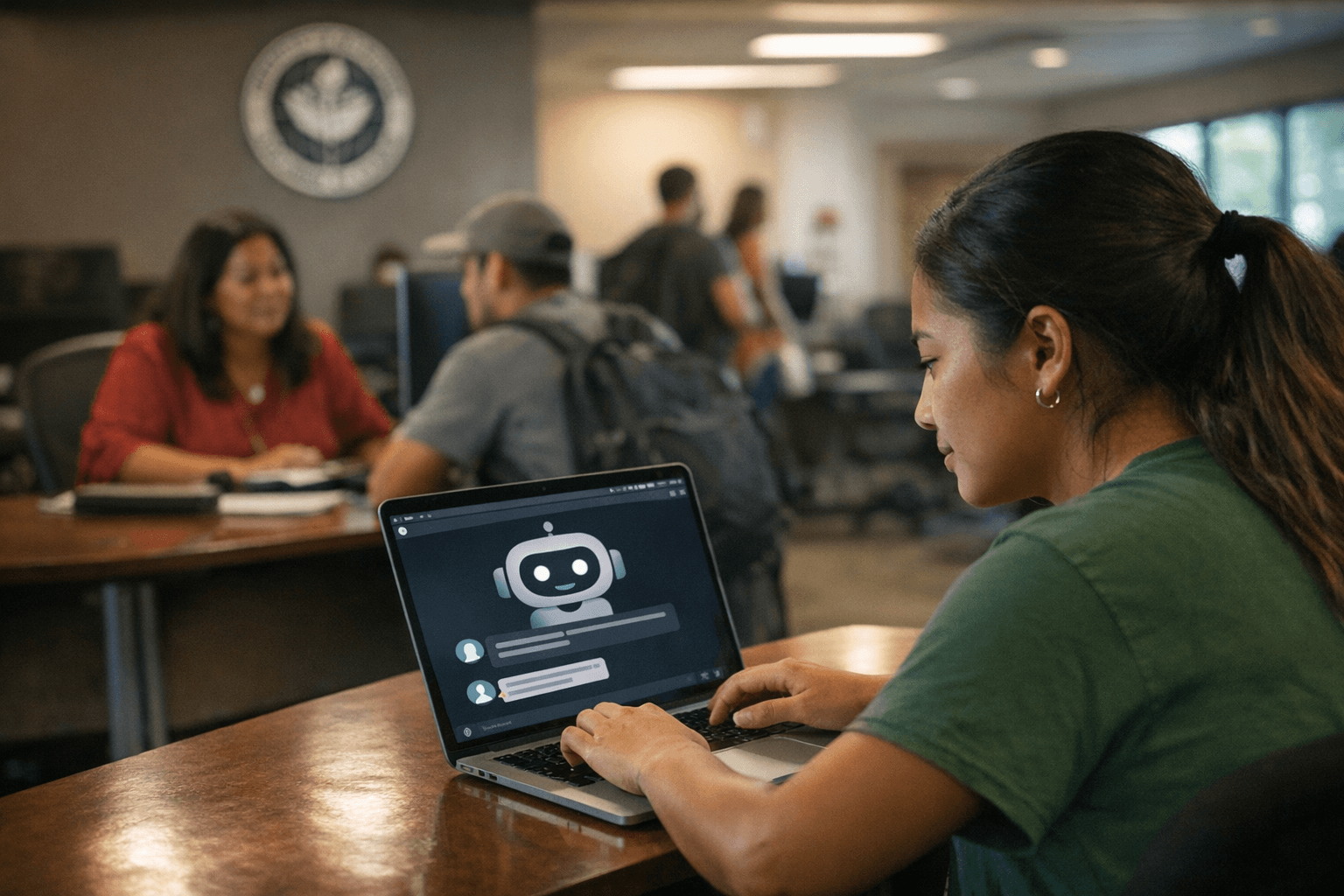
The rollout raises several policy and institutional issues that local stakeholders will want to watch. Data governance and privacy protections must be transparent and enforceable to maintain student trust, especially in communities where broadband access and digital literacy vary. Training for staff and clear accountability lines are vital to prevent errors, ensure equitable treatment across campuses and preserve culturally competent advising for neighbor-island students whose needs differ from those on Oʻahu.
The university's evaluation plan will be central to determining whether the technology achieves its stated goals. Performance metrics and student satisfaction surveys should inform adjustments to staffing, escalation protocols and investment in digital access. Local leaders and campus advisory groups will have roles in scrutinizing results and advocating for improvements.
What comes next for Big Island students is iterative: a period of testing, monitoring and adjustment. If the safeguards and evaluation steps work as described, students may gain smoother access to routine services while staff focus on deeper, personalized support. County residents should track how UH reports performance and safeguards, and expect updates from their campus on how the new tools affect services and access locally.
This article was produced by Prism’s automated news system from verified source data, official records, and press releases, then run through automated quality and moderation checks before publishing. The system is built and supervised by the people who set the standards it runs under. Read our full AI policy.
Did this article answer your question?