UH leads 98 projects to combat invasive species statewide
Nearly $33.5 million is backing 98 UH invasive-species projects, with Big Island farms, forests and water sources in the crosshairs of pests, mosquitoes and rapid ōhia death.
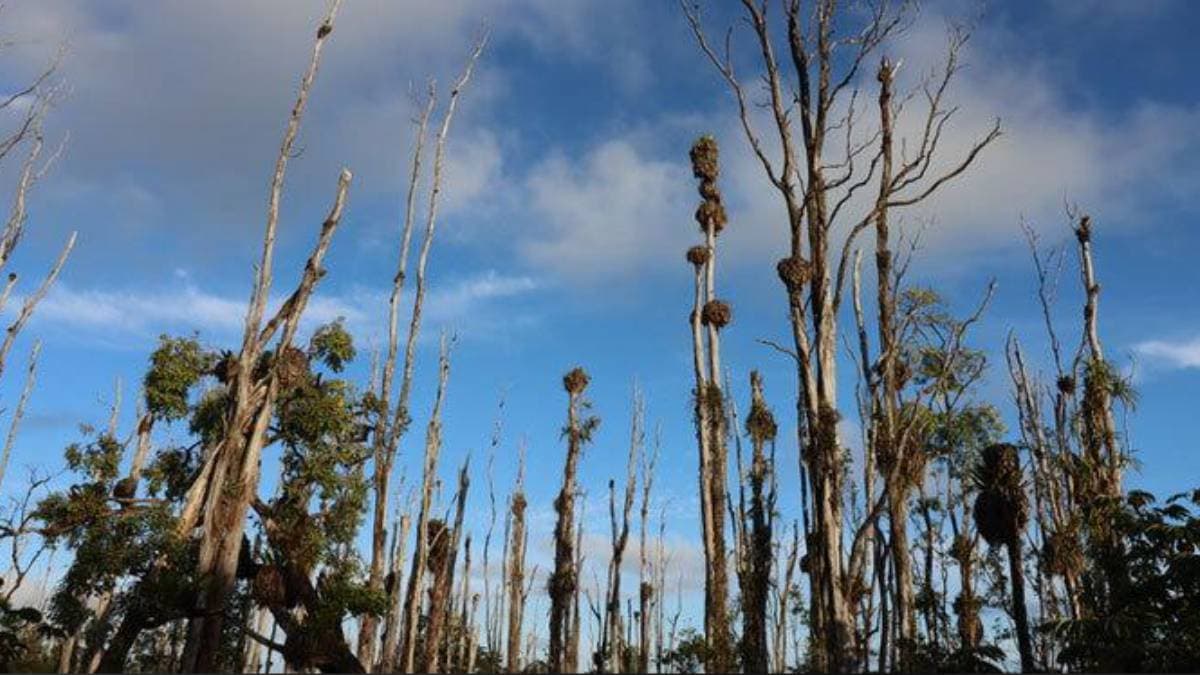
UH researchers are now leading 98 grant-funded invasive-species projects worth more than $33.5 million, a statewide push aimed at the pests and pathogens that can wipe out crops, damage watersheds and push native birds closer to extinction. The funding includes 44 federal awards totaling $21,050,427 and 54 non-federal awards totaling $12,494,933, with work led out of UH Mānoa and UH Hilo in partnership with state and national agencies.
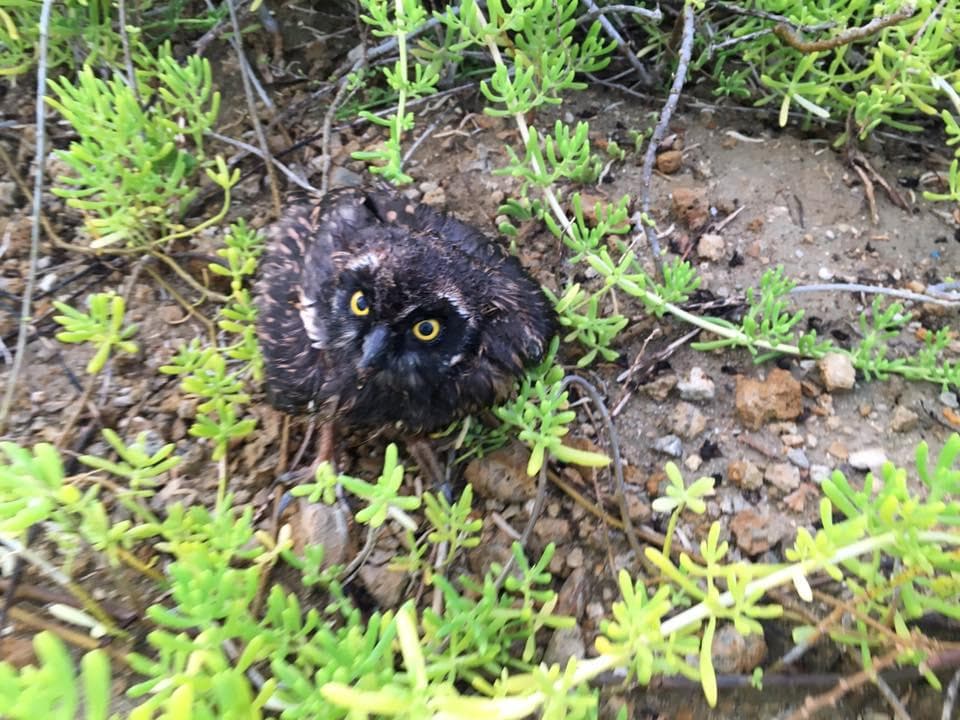
For Hawaii Island, the stakes are immediate. The projects target rapid ōhia death, mosquitoes that spread avian malaria, destructive crop pests, invasive ants and beetles, and non-native plants and animals that can degrade native habitat and drinking water sources. UH says the work is meant to protect food production, cultural resources and ecosystems found nowhere else in the world, a list that maps directly onto the island’s coffee farms, orchards, upland forests and watershed lands.
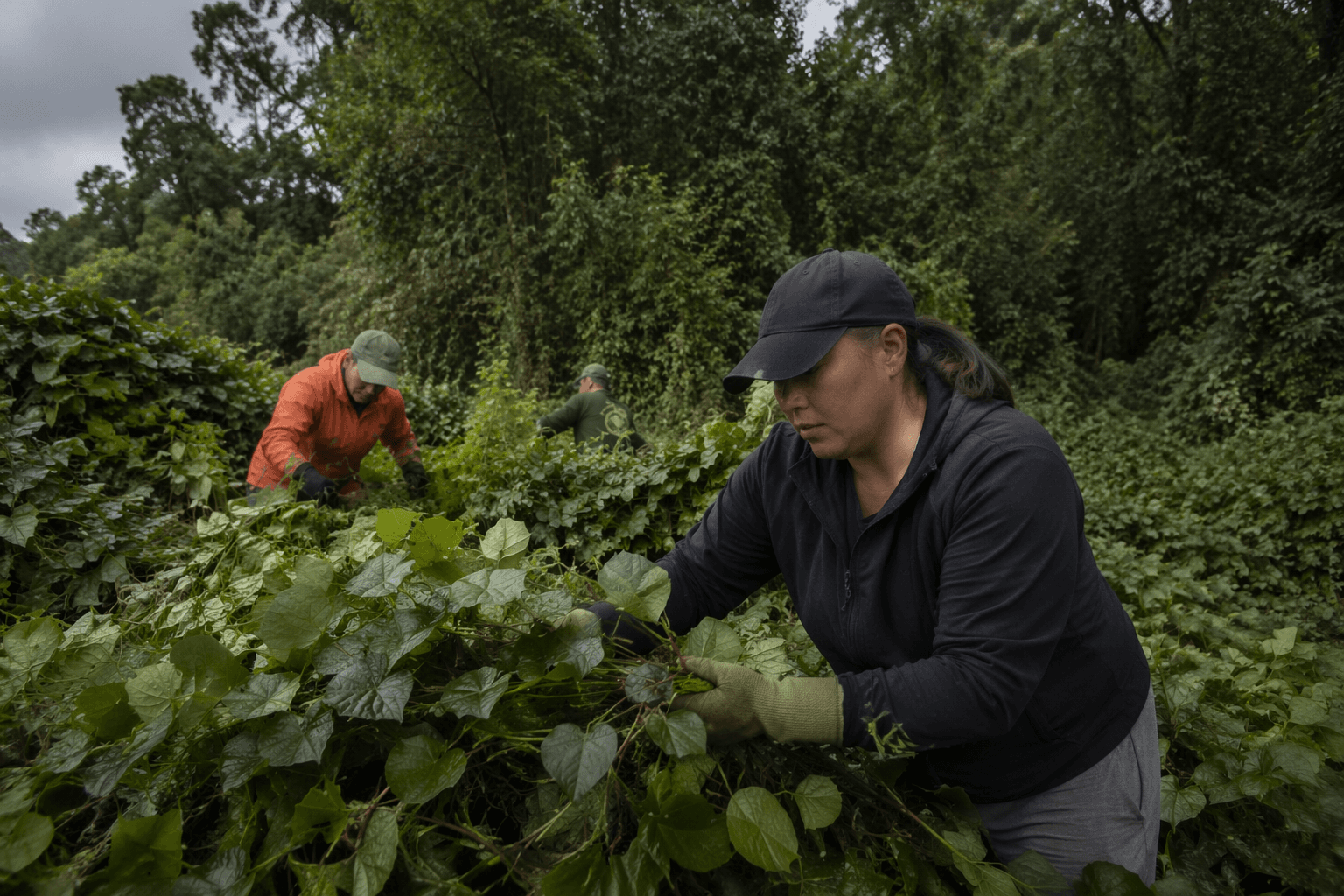
The tools are as varied as the threats. Some teams are using mosquito suppression to protect endangered birds. Others are turning to satellite monitoring to spot invasive plants early, or DNA-based methods to identify crop pests faster and more accurately. That early detection matters in Hawaii, where invasive species are often far cheaper to control before they spread across a watershed, a plantation or a neighborhood.
The urgency is reflected in the numbers. UHERO says an average of 20 alien insects and 100 alien plant species arrive in Hawaii each year, an ongoing pressure that hits islands with no margin for error. UHERO also says biocontrol has delivered high returns for Hawaii agriculture for more than a century, underscoring that the state’s best defenses have long depended on science, quarantine and sustained field work rather than short-term fixes.
On Hawaii Island, county lawmakers were considering a $250,000 contribution for invasive species management, most of it aimed at two BIISC positions that would support outreach, training and detection. Council members have also criticized the state for not doing enough to inspect incoming goods and stop pests at the ports, a reminder that the fight starts long before a beetle or ant reaches a backyard, farm or forest reserve.
BIISC said coconut rhinoceros beetle was detected in North Kona in March 2025, a warning sign for an island already vulnerable to new infestations. The broader lesson is visible in east Maui, where the state approved landscape-scale mosquito suppression in March 2023 to protect forest birds from avian malaria, the main driver of decline for six remaining Hawaiian honeycreeper species. If the UH projects succeed, residents could see slower forest die-off, fewer crop losses and healthier bird habitat; if they fail, the damage will keep moving downslope and upslope at the same time.
This article was produced by Prism’s automated news system from verified source data, official records, and press releases, then run through automated quality and moderation checks before publishing. The system is built and supervised by the people who set the standards it runs under. Read our full AI policy.
Did this article answer your question?