UHERO: LNG would offer limited power savings for Hawaii ratepayers
UHERO said LNG could trim bills only modestly in Hawaiʻi, while new gas plants could leave ratepayers stuck with costly, underused infrastructure.
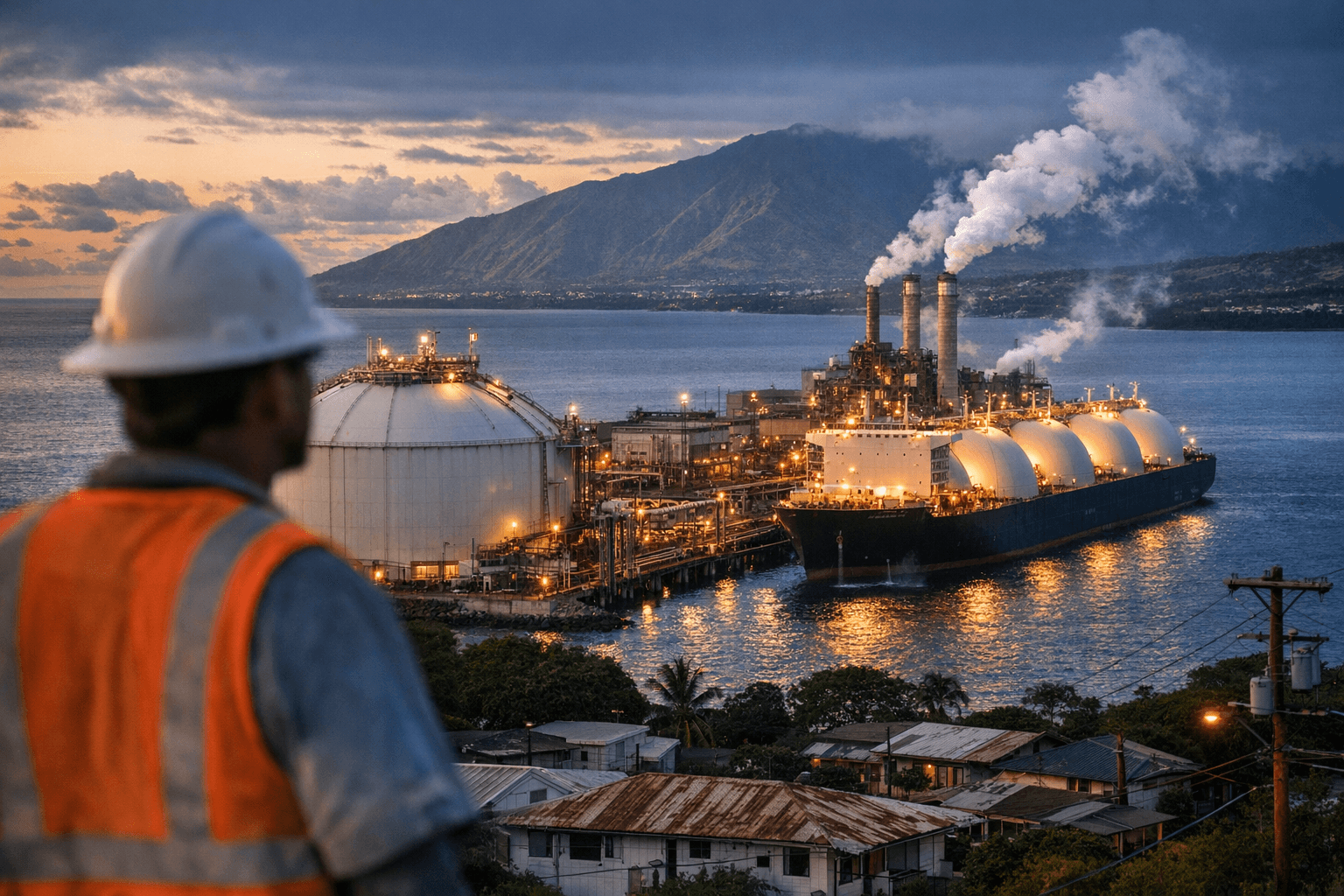
Hawaiʻi Island households and businesses were told to expect only limited relief from a switch to liquefied natural gas, with a UHERO analysis arguing that LNG would not deliver the broad electric-bill cut some advocates have promised. The report said any savings would likely be modest, front-loaded and vulnerable to fuel-price swings that could still show up in monthly bills.
One reason the upside looked smaller than the mainland comparisons suggest is geography. UHERO said gas would have to be cooled, shipped across the ocean and then converted back into gas before it could be burned for power. Those extra steps narrow the price advantage and keep LNG from looking like a simple substitute for oil in a place as isolated as Hawaiʻi.
The analysis also noted that Hawaiʻi already got some cushion from a 2024 Hawaiian Electric fuel contract renegotiation, which reduced how strongly global oil spikes translated into local power costs. Against that backdrop, UHERO said LNG still held a modest cost edge in some scenarios, but not enough to make fuel switching a clear long-term fix for ratepayers on Hawaiʻi Island or elsewhere in the state.
For Big Island families, the stakes are not abstract. Electricity prices flow into grocery bills, refrigeration costs, irrigation pumps and the day-to-day operating expenses of small businesses, farms and other employers across the island. A cheaper fuel source could help, but UHERO warned that the bigger risk is building another fossil-fuel system that may not fit where the island’s energy mix is heading.
That long-term concern centers on renewables. As solar and battery storage continue to expand, gas plants could be called on less often, leaving ratepayers to cover facilities that sit underused. UHERO said that creates the possibility of stranded infrastructure, with costs that could outlive any near-term fuel savings.
The report’s bottom line was blunt for a state still wrestling with high power prices: LNG may offer some gains, but the benefits appear limited, while the downside could be expensive if market conditions change or Hawaiʻi keeps moving toward cleaner energy. For Hawaiʻi Island, where electricity costs touch nearly every part of daily life, that makes the debate less about ideology than about who pays, how much and for how long.
This article was produced by Prism’s automated news system from verified source data, official records, and press releases, then run through automated quality and moderation checks before publishing. The system is built and supervised by the people who set the standards it runs under. Read our full AI policy.
Know something we missed? Have a correction or additional information?
Submit a Tip