Vehicle collisions top causes of pueo deaths in statewide study
Vehicle strikes and roadside trauma drove most pueo deaths in a 32-year statewide review, with Hawaii Island drivers facing the most immediate risk.
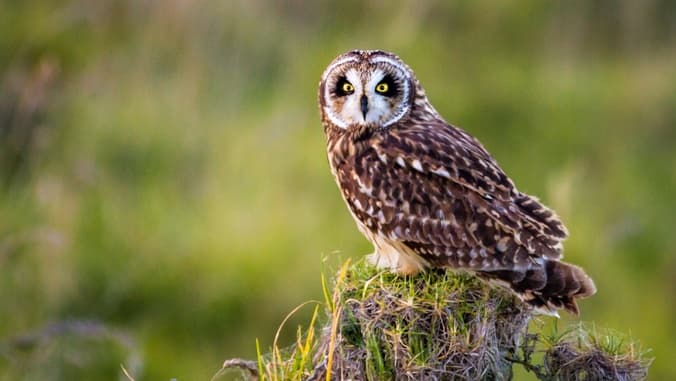
A pueo hunting across Mauna Kea’s open fields faces the same threat that dominated a statewide review: vehicle collisions and other roadside trauma caused most documented pueo deaths in Hawaii over 32 years. The statewide review tracked 242 pueo mortalities from 1993 to 2024, and trauma accounted for 62% of them.
Two-thirds of the trauma cases were tied to vehicle collisions or happened close to roads. Melissa Price, the study’s senior author, said, “Our findings highlight that many Pueo deaths may be preventable,” and said reducing vehicle collisions and increasing awareness about rodenticide use can help support pueo conservation.
The pueo, Hawaii’s endemic short-eared owl, is active during the day and commonly hovers or soars over open areas. That makes it especially vulnerable on the Big Island’s wide pasture roads, shoulder edges and other low-visibility stretches where prey draws the birds close to traffic. Pueo occur on all main Hawaiian Islands and primarily eat small mammals such as mice and rats, along with insects.
The mortality review, the most extensive assessment of pueo deaths to date, also found that wind turbines accounted for 13% of trauma-related deaths. Other documented causes included emaciation and disease. The collision pattern matches an older U.S. Geological Survey study of owl mortality in Hawaii from 1992 to 1994, which found that most traumas resulted from vehicular collisions.
Pueo are the only remaining native raptor that breeds across the Hawaiian archipelago and are a Cultural Keystone Species with important ecological and cultural functions. The bird also helps control introduced rodents and holds value to Native Hawaiians as an aumakua.
Slow down on open roads and pasture corridors, watch for low-flying owls along shoulders and fields, and treat daylight driving through pueo habitat as a collision risk.
This article was produced by Prism’s automated news system from verified source data, official records, and press releases, then run through automated quality and moderation checks before publishing. The system is built and supervised by the people who set the standards it runs under. Read our full AI policy.
Did this article answer your question?