Waiākea graduate nears return to Hilo as pediatrician
A Waiākea High graduate who grew up in Hilo is nearing a return home as a pediatrician, a rare answer to Hawaii County’s 224-doctor shortage.

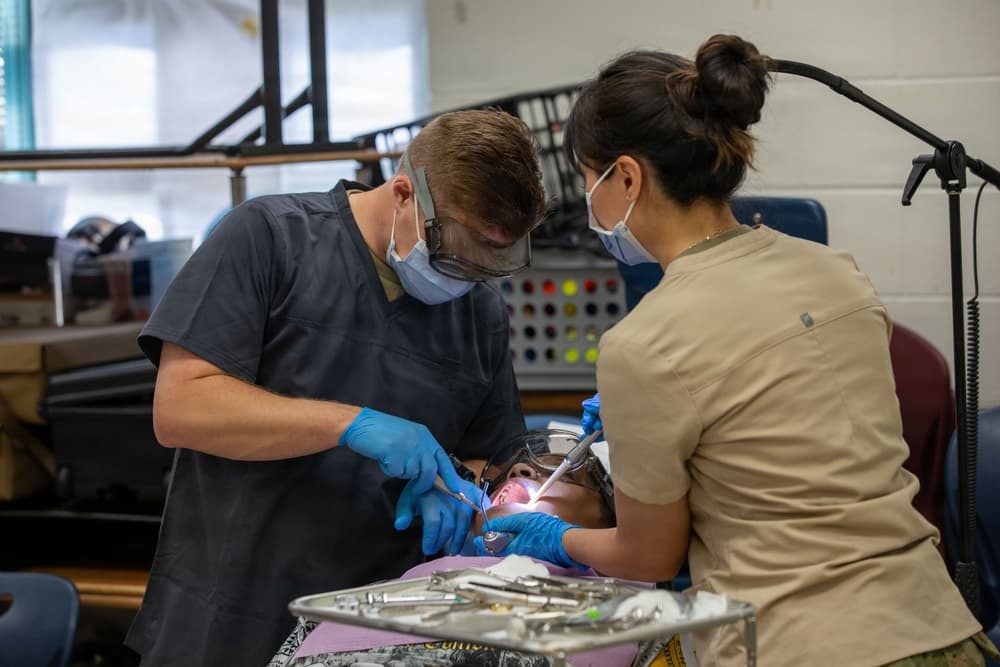
Duke Escobar is closing in on the kind of homecoming Big Island families rarely see: a Waiākea High School graduate, born and raised in Hilo, who is training to come back as a pediatrician. He earned his medical degree this spring from the University of Hawaii at Mānoa John A. Burns School of Medicine and is continuing pediatrics training with Hilo in view, at a time when Hawaii County remains the state’s biggest physician shortage area.
Escobar’s path began in a Waiākea health academy class that introduced him to medical problem-solving and helped spark his interest in medicine. He later studied cell and molecular biology at the University of Hawaii at Hilo, then spent research gap years at Stanford University and the University of Washington before he was accepted to medical school. Along the way, he also worked with the School Health Education Program, helping bring hands-on medical learning into local classrooms and finding that he enjoyed connecting with students.
That combination of science training and community roots is part of what makes his return stand out. Teachers and peers described Escobar as approachable, trustworthy and easy to relate to, the kind of young doctor the island can rarely afford to lose. He has said he was drawn to pediatrics because he wanted a career built around human connection and trust, and he has remained grounded by being a first-generation college student and by the identity that kept coming back into focus: a kid from Waiākea who wants to serve the place that raised him.

The broader need is stark. The University of Hawaii’s 2025 physician workforce report said 3,647 of the state’s 12,688 licensed physicians were actively providing patient care, equal to about 3,044 full-time physicians. Hawaii needed 3,688 physician full-time equivalents, leaving a statewide shortage of 644. When island geography is factored in, the unmet need rises to 833 full-time physicians, with the largest gaps in primary care and major subspecialty shortages in pediatric gastroenterology, pediatric critical care and pediatric pulmonology.
Hawaii County had the largest county-level gap in the report, needing 224 doctors to fill its shortage, and its physician supply would need to grow by 43% to meet demand. That pressure is felt more sharply on neighbor islands, where some specialties cannot be shared the way broader care can, making Escobar’s plan to return to Hilo especially significant for families looking for pediatric care close to home.

His story also reflects a longer effort to build that pipeline from within. JABSOM’s School Health Education Program has operated since 2001 and has reached thousands of students in more than 33 public middle and high schools across Hawaii, using classroom demonstrations to show young people that medicine is not out of reach. Escobar is now part of JABSOM’s 2026 incoming pediatrics class, and for Hilo, that could mean one more doctor who already knows the island he hopes to serve.
This article was produced by Prism’s automated news system from verified source data, official records, and press releases, then run through automated quality and moderation checks before publishing. The system is built and supervised by the people who set the standards it runs under. Read our full AI policy.
Did this article answer your question?