When will Kīlauea’s summit crater fill with lava again?
Halemaumau is already changing fast again, but scientists can only give a window. USGS now puts Kīlauea’s next summit episode between July 24 and August 3.
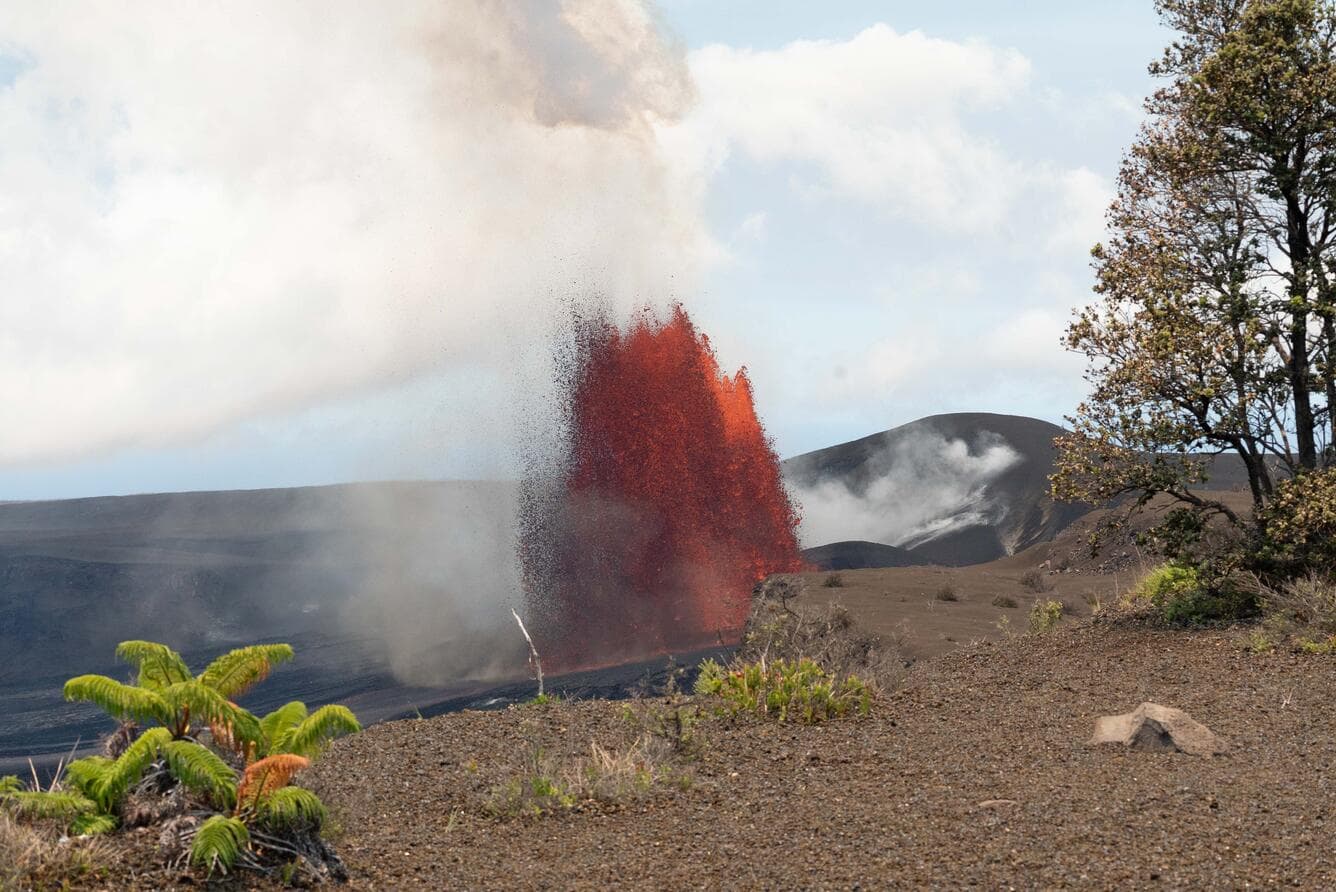
Repeated lava fountains at Kīlauea’s summit have already resurfaced large parts of Halemaumau’s crater floor, and a lava-filled crater would reshape how visitors move through Hawaii Volcanoes National Park, when the park can open and close, and how quickly nearby businesses and residents have to adjust to gas, tephra, and shifting access.
The short answer is a window, not a clock
Kīlauea’s ongoing summit eruption began in December 2024, and by June 1 the U.S. Geological Survey had logged 48 fountaining episodes, surpassing a previous record. That pace is why so many people on Hawaii Island keep asking when the crater will “fill” again, but the science does not work on a precise countdown.
The Hawaiian Volcano Observatory tracks summit deformation, especially inflation and deflation, to estimate when pressure is building for the next episode. On July 11, summit inflation flattened around 4 a.m. HST and then shifted to deflation in the following hours, a signal that the system had moved out of one phase and into another. By July 17, preliminary models pointed to episode 52 between July 24 and August 3.
That window is already wider than many people expect, and it can move. A forecast visible in early July had episode 51 expected sometime between July 7 and 14 after the eruption paused on July 4, but the next fountain episode did not arrive until July 15.
What “filling the crater” looks like on the ground
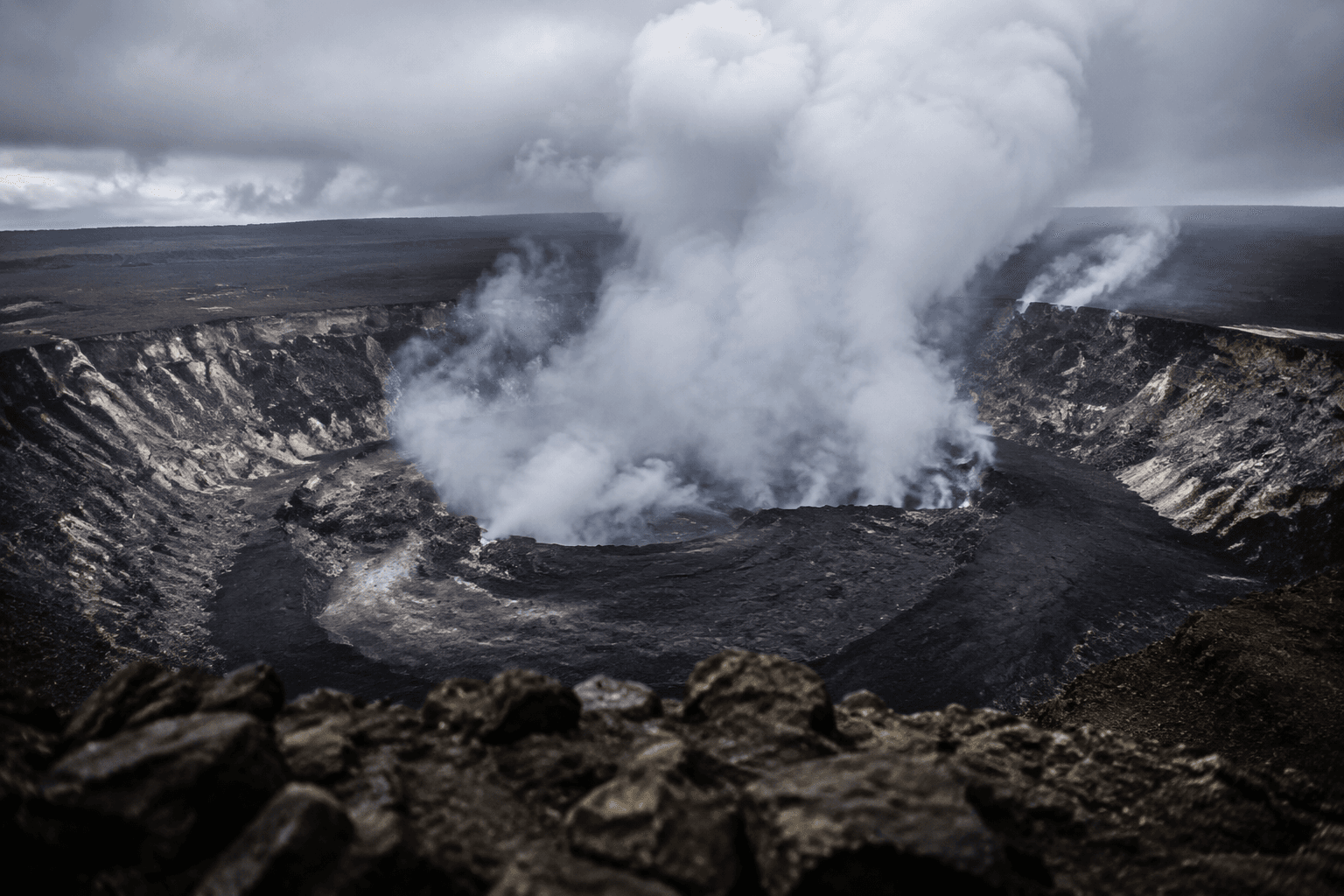
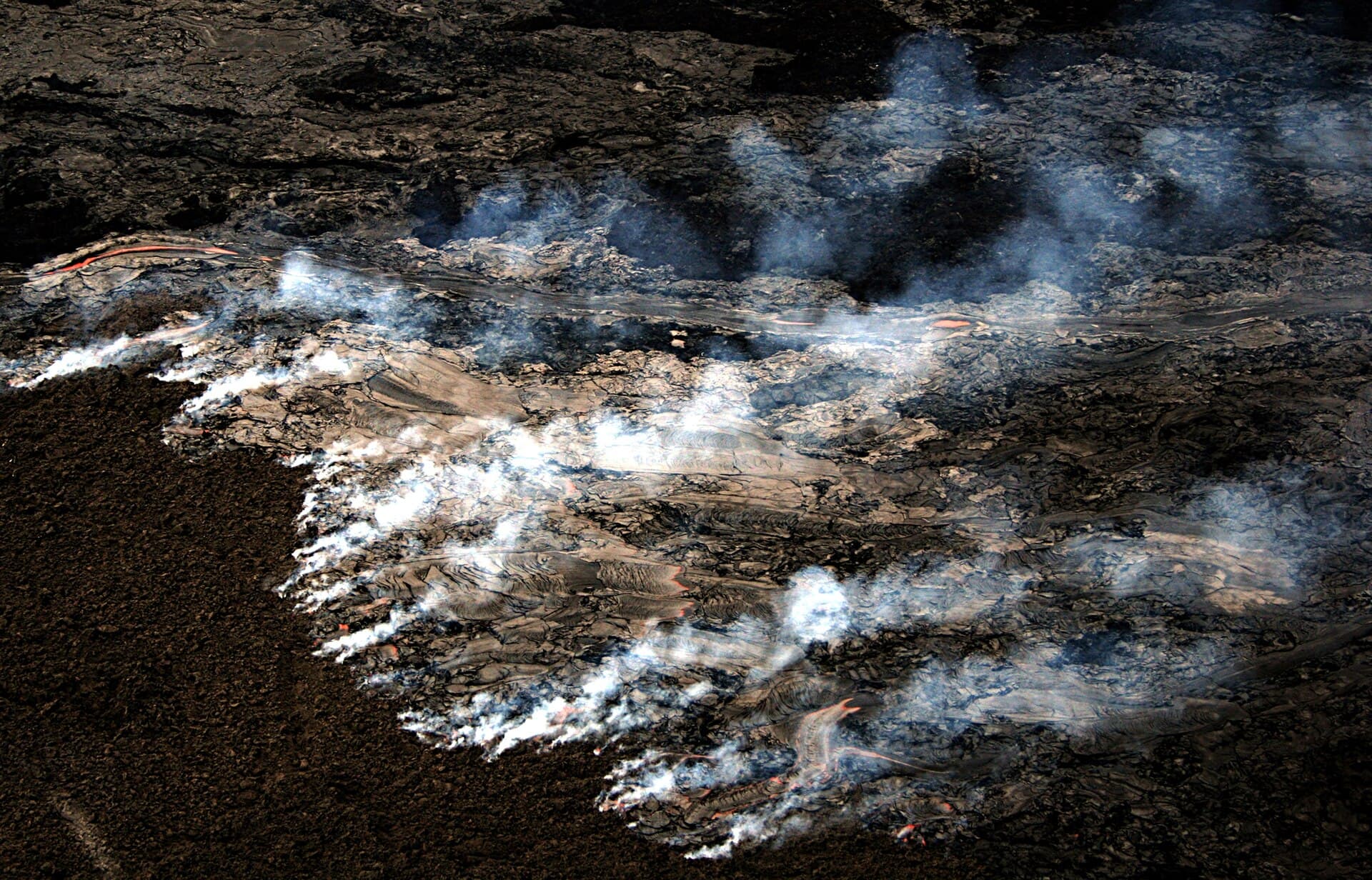
The active summit crater here is Halemaumau, inside the Kīlauea caldera. When people talk about the crater filling with lava again, they are talking about repeated fountaining episodes that spread lava across the crater floor, not a single steady lake that rises like a bathtub.
Episode 50, which began June 27, showed how quickly the crater floor can be resurfaced. It produced about 5 million cubic meters of lava and covered about 50% of Halemaumau’s crater floor. Episode 51, which erupted on July 15, lasted about 8.3 hours and came after days of low-level precursory activity.
USGS reference maps have been updated repeatedly as the summit changes, with maps dated January 13, March 2, April 13, May 27, June 25 and July 10. The crater shape, vent positions, and hazard footprint have been changing fast enough to require new planning tools throughout 2026.
Why the timing matters for the park and the visitor economy
A summit eruption can pull crowds into Hawaii Volcanoes National Park, especially when lava fountains are visible from safe overlooks. That boost is real for the visitor economy around Volcano, where lodging, food, fuel, and tour operators can feel a surge when the crater is active and accessible.
But the same activity can also shut things down. The park has temporarily closed its entrance before because of hazardous volcanic material, including tephra and gas associated with eruptive episode 44. During one park closure, overnight guests of Volcano House and Kīlauea Military Camp were allowed into the park but had to shelter in place, while recreation was prohibited.
If lava activity stays centered inside Halemaumau and viewing areas remain open, visitors can still come and go under managed conditions. If gas, tephra, or a changing vent pattern expands the hazard zone, access can tighten quickly, and that hits the park, hotels, and small businesses at the same time.
What residents nearby should watch
For people living and working on Hawaii Island, the downstream impacts show up first in access and air quality, then in traffic and business patterns. A summit eruption that stays relatively contained inside the crater is very different from one that forces repeated park closures or wider road restrictions near the summit.
Nearby businesses in Volcano depend on a delicate balance: enough activity to draw visitors, not so much hazard that people stay away or leave early. If the next phase brings more fountaining and a stronger viewing draw, parking pressure and traffic can increase around the park. If the next phase brings more gas or tephra, residents and workers are the ones who have to live with detours, closures, and short-notice changes.
This article was produced by Prism’s automated news system from verified source data, official records, and press releases, then run through automated quality and moderation checks before publishing. The system is built and supervised by the people who set the standards it runs under. Read our full AI policy.
Did this article answer your question?