Alta Officials Demand Answers on Aging Shared Athletic Facilities
Mayor Desi Suter says Alta's 1972 facility-sharing deal with Alta-Aurelia schools is at a breaking point over unsafe bleachers and no repair plan in sight.
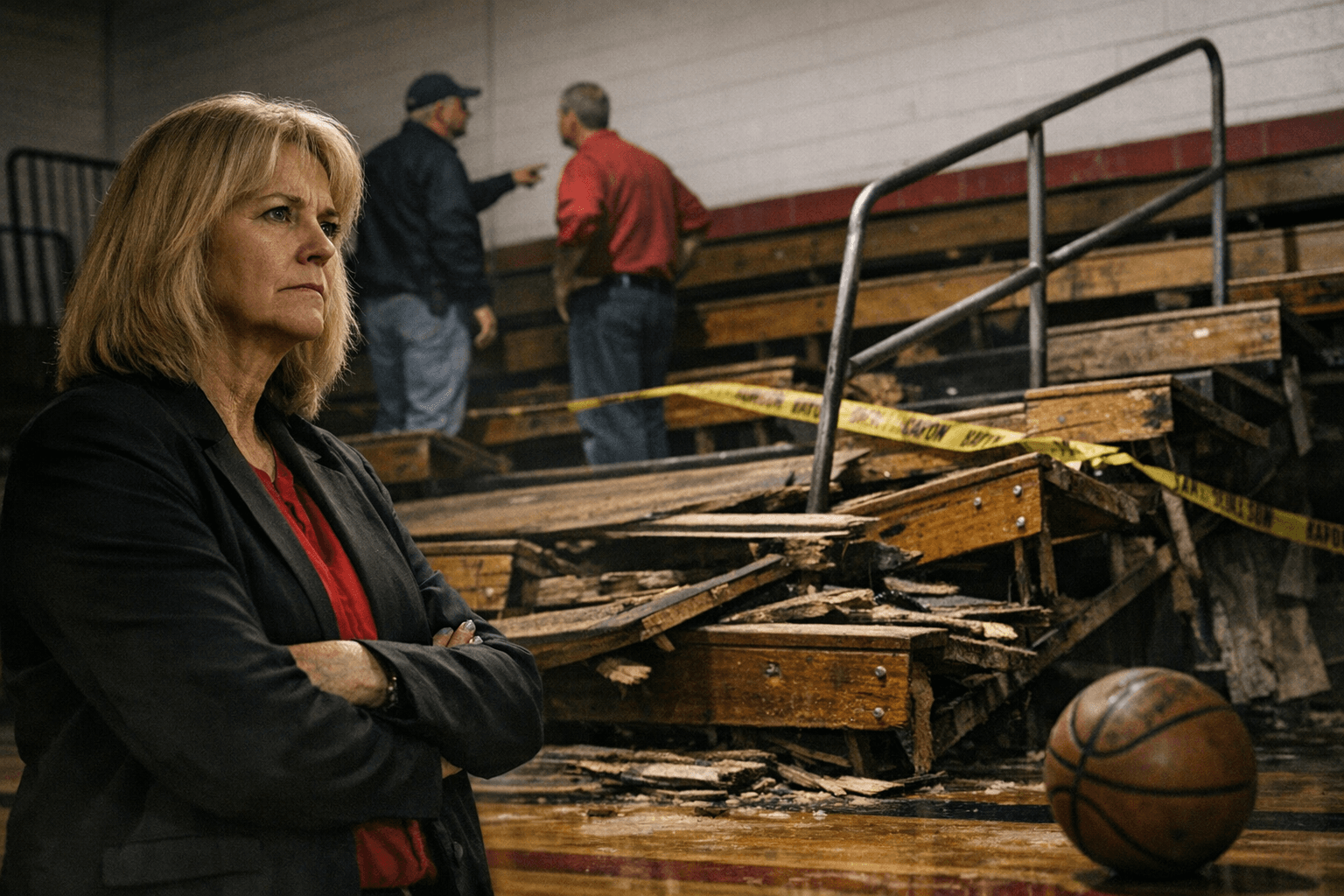
Alta Mayor Desi Suter wants something specific from the Alta-Aurelia Community School District: a written plan, a clear timeline, and a definitive answer on who pays to fix the bleachers. Without those commitments, she and City Clerk Lindsay Brown say, the 28E reciprocal use agreement that has governed shared athletic facilities since 1972 may be headed for a reckoning.
Suter and Brown raised the concerns at recent public meetings, citing visible deterioration at the shared facilities, most notably aging and damaged bleachers that city officials described as posing safety and liability risks for teams and spectators. "We need to know what their actual plans are," Suter said, pressing the school board for concrete answers where, so far, none have come.
The 28E agreement, in place for more than five decades, gives the city access to school-owned baseball fields while the Alta-Aurelia district uses city-owned football fields and track. The arrangement is conditional: each party is responsible for maintaining the facilities it uses. That language is now at the center of the dispute, with city leaders arguing the district has not met its end of the bargain and the school board yet to produce a specific repair or replacement plan.
The tension sharpened after the Alta-Aurelia board recently discussed capital priorities, including upgrading concession stands at Aurelia's football field, while deferring final decisions to future meetings. For Alta officials, watching Aurelia facilities move up the priority list while Alta's shared sites sit unaddressed was not a subtle signal. The broader fight over how to allocate SAVE bond proceeds runs beneath the surface of the bleacher dispute, with both communities watching closely to see which town's facilities the district treats as urgent.
For student-athletes and families in Alta, the stakes are practical: if deteriorating bleachers or concession infrastructure forces restricted access or field closures, games could shift, travel costs rise, and practice schedules bend around facilities that should already be in working order.
The school board deferred action at its most recent meeting, meaning the issue will return to upcoming agendas. City leaders say they are seeking written commitments on specific items, not just reassurances. If the district and city cannot reach a negotiated path forward, a formal renegotiation of the 1972 28E terms becomes a real possibility, one that would draw scrutiny from both Alta and Aurelia and set a precedent for how consolidated districts handle shared infrastructure across the small towns they serve.
This article was produced by Prism’s automated news system from verified source data, official records, and press releases, then run through automated quality and moderation checks before publishing. The system is built and supervised by the people who set the standards it runs under. Read our full AI policy.
Did this article answer your question?


