Buena Vista County Fair blends agriculture, family fun and motorsports
Alta’s fairgrounds pack in stock car races, 4-H shows and family events, while the fair’s 1873 roots still shape Buena Vista County’s civic calendar.
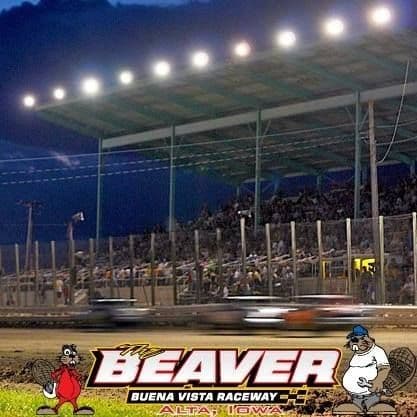
Buena Vista County fair week turns the fairgrounds in Alta into one of the county’s busiest public spaces, with dirt-track racing, livestock competition and family entertainment all sharing the same calendar. The mix runs from stock car races and a demo derby to tractor pull, bull riding, 4-H horse shows, kids games, inflatables, foam parties, fair food, concerts and queen-and-king competitions.
What happens on the grounds now
The modern Buena Vista County Fair is built around a five-day July run at the Buena Vista County Fairgrounds in Alta. The official fair schedule leans into motorsports and arena events, with dirt-track grandstand action, stock car races, a demo derby, tractor pull and bull riding all part of the draw. At the same time, the fair keeps a strong family line-up in place, with kids games, inflatables, foam parties, exhibitors and live music creating a full-day destination rather than a single-night stop.
That blend is what gives the fair its local pull. The fair is not just a grandstand show or a livestock exhibition, but a countywide gathering where agriculture, youth programs and entertainment sit side by side. Queen-and-king competitions add another layer of local tradition, while the fair food and exhibitor areas keep the midway and grounds active between major events.
The fair’s deep roots in Buena Vista County
The Buena Vista County Agricultural Society incorporated on March 3, 1873, and the first fair followed that September in Storm Lake on land the society had purchased. The fair’s original purpose was practical as well as social: encourage good agricultural practices, promote local business, and provide entertainment and a social venue. That combination still explains why the fair remains central to county life more than a century later.
The modern fair traces its history through a revival as much as a beginning. One historical account places the fair as it is known today in 1887, on 30 acres northeast of Alta, with the first revived fair running Sept. 14-16 and top prizes for best cattle and horses set at $4. Another account says the society bought 30 acres east of Alta in the 1886 revival, after members purchased 400 shares to get the fair back on its feet. The early numbers are small, but they show how tightly the fair was tied to livestock, land and local participation from the start.
Why 4-H remains the fair’s backbone
4-H arrived at the fair in 1921, and that addition helped turn the grounds into more than a showcase for one week in July. Iowa State University Extension and Outreach describes Iowa 4-H as a century-old youth development program focused on healthy living, STEM, leadership and civic engagement, and communications and the arts. That mission still shows up in the fair’s structure, where youth entries and livestock handling are part of the annual rhythm rather than an extra add-on.
The fair book and schedule for 2026 show how broad that youth presence remains. The materials include static judging day, livestock check-ins and 4-H events that cover pet and dog shows as well as horse, sheep, goat, llama and alpaca classes. The fair book also lays out opportunities for children in kindergarten through third grade and includes exhibit rules and categories for communications, clothing, science and engineering, underscoring how the fairgrounds support learning as well as competition.

The physical footprint of the grounds reflects that role. In 1926, the fair added an eight-sided Floral Hall at a cost of $5,000, and in 1955 a new grandstand seated 2,100 people. By the 1970s, a new 4-H building with an auditorium had joined the site, giving the fair a stronger year-round platform for meetings, judging and youth activities. After hard times in the 1980s, the fair revived in the 1990s as buildings were repaired and the track reopened, showing how the grounds have been repeatedly adapted instead of replaced.
The 2026 fair and what it costs to get in
The 2026 Buena Vista County Fair is listed for July 8-12, 2026. That five-day window is the county’s main fair week, and the schedule puts both the grandstand and the 4-H program on the same footing. The fair-directory listing says the event draws over 13,000 visitors around the region, a reminder that the grounds serve not only Alta but the wider county and surrounding area.
Admission details are built into the 2026 schedule. Wednesday parking costs $10, gate admission prices vary Thursday through Sunday, children 5 and under get in free, and a season pass is priced at $40. The fair’s pricing structure makes clear that the event is designed for repeated visits across the week, not a single pass-through at the gate.
The Buena Vista County Extension Office also closes during Buena Vista County Fair week, which shows how deeply the fair interrupts and reorders the county calendar. That shutdown is a practical marker of the fair’s importance: when the fairgrounds are at full speed, other county routines pause to make room.
Why the fairgrounds matter beyond fair week
The fairgrounds in Alta matter because they are shared civic infrastructure, not just a festival site. They host livestock prep, 4-H judging, the grandstand, the arena and the spaces where families return every summer to see neighbors, show animals and fill the same seats their parents and grandparents used. The fair’s own history, from a $4 cattle prize in the 1880s to a 2,100-seat grandstand and a modern mix of race cars, bull riding and youth exhibits, shows a county institution that has kept changing without losing its agricultural center.
That balance is what keeps the Buena Vista County Fair relevant. It remains a place where motorsports and cattle, foam parties and Floral Hall, static judging and stock car races all belong to the same story of how Buena Vista County gathers, competes and passes its traditions along.
This article was produced by Prism’s automated news system from verified source data, official records, and press releases, then run through automated quality and moderation checks before publishing. The system is built and supervised by the people who set the standards it runs under. Read our full AI policy.
Did this article answer your question?