Buena Vista County Guide: Boards, Services, and How to Participate
Buena Vista County's five-member Board of Supervisors governs 20,823 residents across cities like Alta and Lakeside — here's how to engage with every layer of county government.
Buena Vista County's government does far more than most residents realize. It functions simultaneously as the regional governing body and the primary provider of essential services — issuing licenses and permits, establishing zoning ordinances, offering health and indigent care, and managing the county jail. Understanding how that structure works, and where to show up, is the first step toward meaningful civic participation.
Who runs Buena Vista County
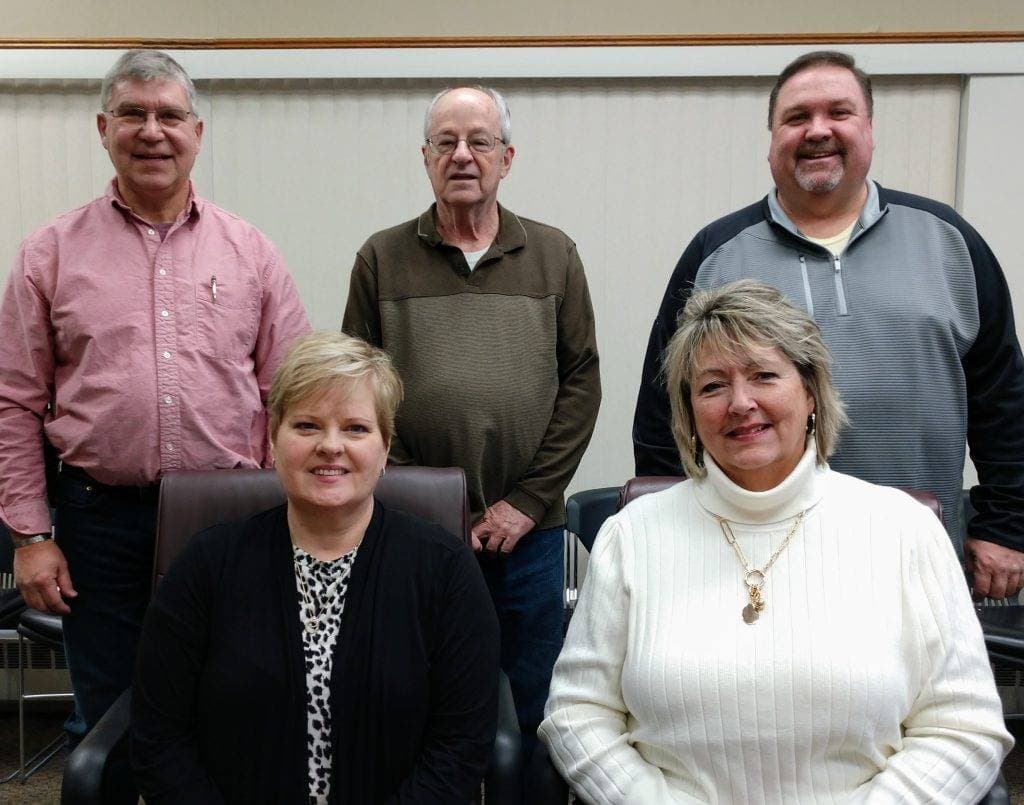
The citizens of Buena Vista County democratically elect six categories of officials: an auditor, recorder, attorney, sheriff, treasurer, and a five-member County Board of Supervisors. The Board sits at the center of county governance, serving as the executive branch and appointing directors to oversee other offices in the courthouse. While the Board is responsible for setting the policies that guide the county, the day-to-day administration of government is overseen by a broader network of elected and appointed officials, as well as various semi-autonomous boards and commissions. That layered structure means decisions affecting your property, your health, and your community's emergency preparedness are being made at multiple levels, often simultaneously.
Key departments and what they do
Four departments come up most often when residents need to interact with county government directly: the Assessor, Treasurer, Conservation, and Public Health offices. The Assessor's office handles property valuation, which directly affects what property owners pay. The Treasurer manages county finances and property tax collection. The Conservation department oversees natural resources and public lands. Public Health administers programs ranging from disease prevention to indigent care, one of the county's explicit service obligations under Iowa law.
Beyond those four offices, the county's elected auditor, recorder, attorney, and sheriff each operate distinct functions — from maintaining official records and conducting elections (auditor and recorder) to legal representation and law enforcement (attorney and sheriff). Contact information for each office is available through the county courthouse, and residents with specific questions should reach out to the relevant department directly rather than routing everything through the Board.
The Board of Supervisors: your primary access point
For policy-level decisions, the County Board of Supervisors is where public input matters most. The Board holds regular public meetings, and attending those meetings is one of the most direct ways to engage with how the county is governed. Agendas are typically posted in advance, and public comment periods allow residents to address the Board on items of concern. Board of Supervisors meetings are also where major decisions — on budgets, zoning changes, contracts, and public health priorities — get made on the record.
If you want to track what the Board is doing between meetings, meeting minutes are the best resource. The county auditor's office is the standard keeper of Board records in Iowa counties and can point you toward where agendas and minutes are archived. For residents who haven't attended a Board meeting before, showing up early and reviewing the posted agenda beforehand will help you understand what's on the table and whether a specific item affects you directly.
Attending public hearings
Beyond regular Board sessions, the county holds public hearings on specific matters, including processes related to taxation. These hearings follow notice requirements under Iowa law, meaning the county must publicly announce them in advance. If a hearing affects your property or your community, the notice period is your window to prepare written or oral comments. The county auditor's office can clarify the schedule and procedures for any upcoming hearings, including how to register to speak and what time limits apply.
Who lives here: population context
Buena Vista County had a population of 20,823 in 2020, a figure almost identical to its 1980 count of 20,774, representing just 0.2% growth over four decades. That stability at the county level, however, masks significant variation between communities. Alta has grown substantially, rising from 1,720 residents in 1980 to 2,087 in 2020, a 21.3% increase. Lakeside has similarly expanded, from 589 in 1980 to 700 in 2020, an 18.8% gain. Albert City, by contrast, has declined steadily, dropping from 818 residents in 1980 to 677 in 2020, a loss of 17.2%.
Population data for Linn Grove is partially available, with a recorded figure of 205 residents in 1980; figures for subsequent decades are not fully available in county planning documents reviewed for this guide. The county calculates its unincorporated area population by subtracting the populations of incorporated cities from the overall county total, meaning the rural population is substantial and tracked separately from any individual city.
These population trends matter for governance because they shape where county services are most needed, how tax bases are distributed, and which communities are most vulnerable when county budgets tighten.
Disaster preparedness and the Hazard Mitigation Plan
One of the least visible but most consequential functions of county government is emergency and disaster planning. All sections of the 2018 Buena Vista County Hazard Mitigation Plan were reviewed and updated to address both natural and human-caused hazards, with the explicit purpose of saving lives and reducing losses from future disasters. That updated framework also positions the county to be eligible for federal mitigation assistance, a critical funding source for infrastructure protection and recovery.
The county adopted a 2023 Hazard Mitigation Plan that sets out five complete goals: to decrease the impact of natural and human-caused hazards on life and private and public property; to protect health, safety, and quality of life for county residents; to ensure continued government and emergency functions in the event of a disaster; to provide public education and encourage preparedness; and to ensure that public funding is being used efficiently to prevent hazards from occurring or to mitigate their impacts. A sixth goal in the plan addresses the use of planning tools and documents, though the full text of that objective was not available for this report.
Residents interested in the full 2023 HMP can request it through the county's emergency management office or planning department. The plan is a public document and its goals directly affect how the county responds to flooding, severe storms, and other regional hazards.
How to stay engaged
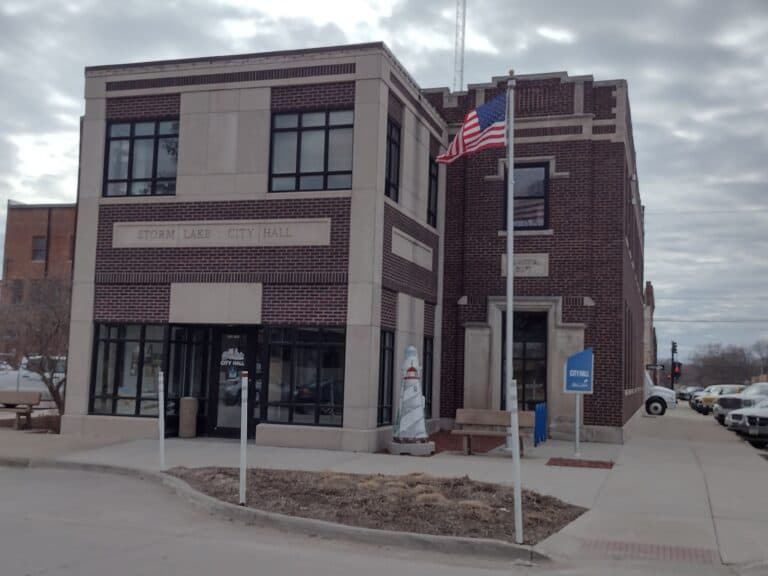
Civic participation in Buena Vista County doesn't require a formal role. Attending Board meetings, submitting comments during public hearings, contacting department offices directly, and reviewing publicly posted agendas and minutes are all accessible entry points. The courthouse in Storm Lake is the hub for most county offices. For residents in Alta, Albert City, Lakeside, Linn Grove, or the county's unincorporated areas, the county's network of elected officials and appointed department heads represents a direct line to the decisions shaping local life.
Knowing the structure — who is elected, who is appointed, which department handles what, and where the Board meets — is the foundation for effective engagement. The county's own administration is overseen by people who are directly accountable to the public, either through elections or through the Board that appointed them.
Know something we missed? Have a correction or additional information?
Submit a Tip