Health Experts Urge Safe Weight-Loss Plans for Buena Vista Residents
A Jan. 2 health feature advised Iowans planning weight-loss resolutions to seek guidance from healthcare professionals and registered dietitians instead of extreme, unsupported diets. The guidance matters locally because Buena Vista County residents can access primary care, dietitian services, and community wellness programming, and safe approaches reduce risk and health disparities.

Local health professionals are urging residents to prioritize safe, evidence-based weight-loss strategies rather than rapid or extreme diet fads as the new year begins. On Jan. 2, a health feature aimed at Iowans highlighted that medically supervised programs, counseling, registered dietitian guidance, and community-based support are more effective and safer than unsupported diets that promise quick results.
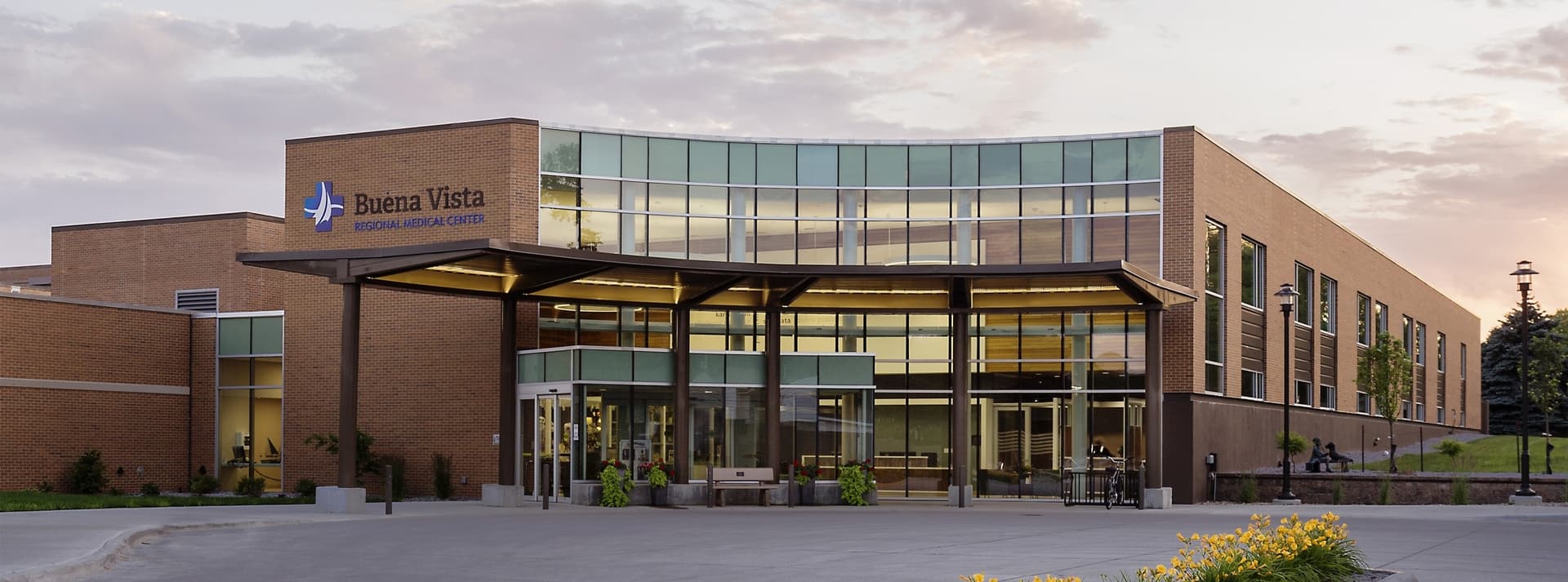
Buena Vista County residents have regional options for help. Primary care clinics and registered dietitian services at Buena Vista Regional Medical Center can assess individual health status, screen for conditions such as diabetes and heart disease, and recommend personalized plans. Community wellness programming in the region offers behavioral supports that reinforce sustainable changes such as goal setting, small measurable steps, dietary adjustments, increased physical activity, and social support networks.
Evidence-based weight management blends clinical oversight with behavior-change strategies. Medical supervision is important for people with chronic conditions, those taking medications, and anyone considering significant calorie restriction or intensive exercise. Counseling and structured community programs improve long-term outcomes by addressing habits, stress, sleep, and mental health factors that influence weight. Health professionals also caution that extreme diets can lead to nutritional deficiencies, loss of lean muscle, metabolic disruption, and increased risk of weight cycling.
The public health implications extend beyond individual outcomes. Safer, sustainable approaches can reduce strain from preventable chronic disease and lower emergency care needs. For Buena Vista County, access to local primary care and dietitian services supports prevention, but systemic barriers persist. Low-income households, people without insurance coverage for nutrition services, and residents with limited transportation or broadband face greater obstacles to getting help. These disparities contribute to uneven health outcomes and highlight the need for policy attention on coverage of nutrition counseling, expanded telehealth, and community investments.
Health equity considerations also matter for program design and outreach. Community-based programming that is culturally appropriate, affordable, and accessible can reach residents who have been left out by one-size-fits-all commercial diet trends. Local agencies and clinics can partner to reduce cost and logistical barriers, and to integrate food access, mental health support, and chronic disease management.
Before starting major diet or exercise changes, residents should check with their healthcare providers to ensure safety and alignment with personal medical needs. Working with registered dietitians and local wellness programs can help Buena Vista County families pursue healthier habits without risking harm, and support longer-term improvements in community health.
This article was produced by Prism’s automated news system from verified source data, official records, and press releases, then run through automated quality and moderation checks before publishing. The system is built and supervised by the people who set the standards it runs under. Read our full AI policy.
Did this article answer your question?