Highly Pathogenic Avian Influenza Found in Buena Vista County Backyard Flock
H5N1 avian flu hit a Buena Vista County backyard flock last week, marking Iowa's sixth detection of 2026 — all in backyard birds, none in commercial operations.
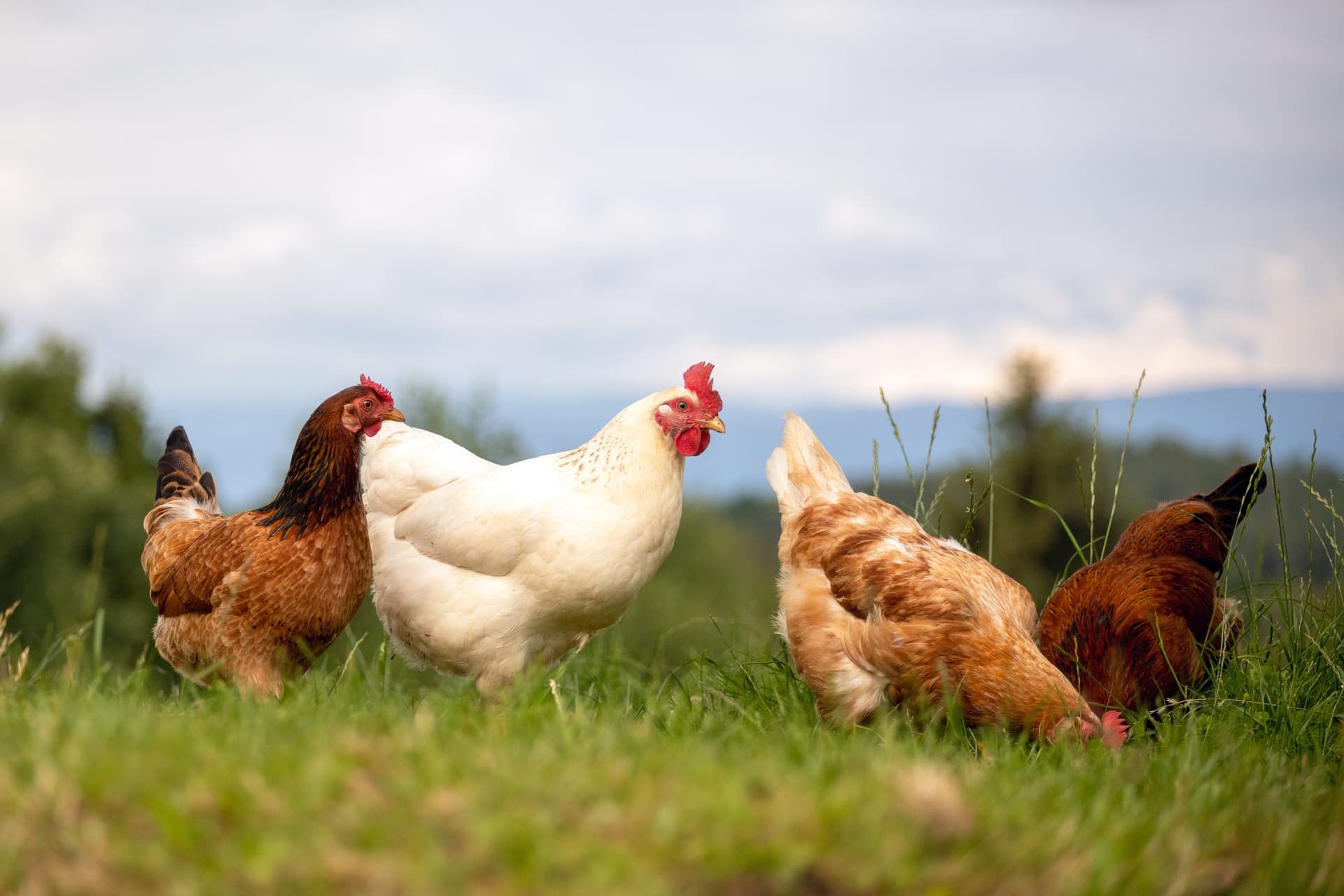
A multi-species backyard flock in Buena Vista County has tested positive for Highly Pathogenic Avian Influenza, the Iowa Department of Agriculture and Land Stewardship and USDA's Animal and Plant Health Inspection Service announced in a March 4 news release. The detection is Iowa's sixth confirmed case of H5N1 HPAI in 2026, and the county's first in roughly a year.
According to Storm Lake Radio, which republished the state notice, all six of Iowa's 2026 detections have involved backyard birds. No commercial poultry operations in the state have been affected this year, the outlet noted, citing federal data.
The case lands about twelve months after Buena Vista County's previous outbreak, when H5N1 hit a commercial site with roughly 400,000 egg-laying hens. Before that, the county had not recorded a detection since 2023, according to USDA data cited by the Iowa Capital Dispatch.
The virus is carried by wild birds, which can harbor H5N1 without showing symptoms. Domestic chickens and turkeys have no such tolerance; the disease is often rapidly fatal once it enters a flock.
"The Iowa Department of Agriculture and Land Stewardship is strongly encouraging Iowa poultry producers and backyard flock owners to continue bolstering their biosecurity practices and protocols to protect their flocks," the state release states. IDALS recommended restricting access to birds, separating domestic flocks from wild waterfowl, disinfecting equipment and footwear, and monitoring closely for signs of illness.
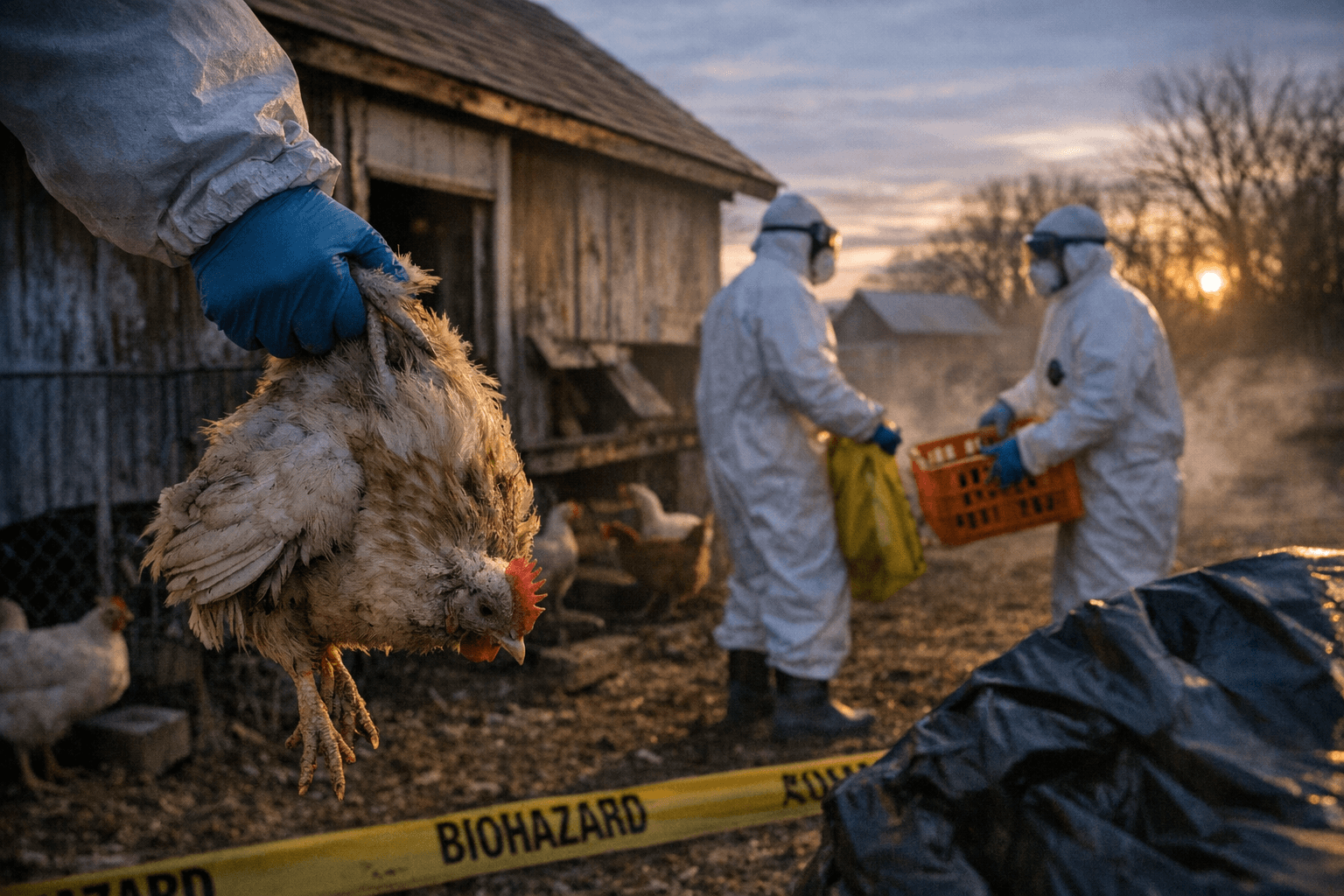
Those signs include sudden unexplained bird deaths, lethargy, sharp drops in egg production, soft or misshapen eggs, swelling of the head, eyelids, comb, wattles, and hocks, purple or blue discoloration of the comb and legs, difficulty breathing, coughing, sneezing, nasal discharge, stumbling, and diarrhea.
Anyone who suspects H5N1 in a flock should contact a veterinarian immediately and report the case to IDALS at (515) 281-5305. The Iowa DNR is separately asking residents to report clusters of 20 or more sick or dead wild birds, which helps state officials track the virus in migratory populations moving through the region.
The Centers for Disease Control and Prevention continues to rate the public health risk from H5N1 as low for the general public. IDALS emphasized that poultry and eggs remain safe to eat as long as they are handled properly and cooked to an internal temperature of 165 degrees.
The scale of the broader outbreak underscores why officials are pressing hard on prevention. Since H5N1 re-emerged roughly three years ago, nearly 159 million birds have been affected across the United States, according to figures reported by the Iowa Capital Dispatch in February 2025. With migratory season underway and wild birds actively moving across northwest Iowa, IDALS' biosecurity resources remain available on its website for producers and backyard flock owners who want guidance on hardening their operations before the virus gets closer.
Know something we missed? Have a correction or additional information?
Submit a Tip