Iowa National Guard Soldiers Killed in Syria Returned Home, Families Honored
State officials confirmed on December 23 that the remains of two Iowa National Guard soldiers killed in Syria earlier this month were returned to Iowa on December 24, with a private honorable transfer ceremony held at the Des Moines airport for their families. The arrival prompted statewide expressions of condolence and brought the Camp Dodge community into mourning, underscoring the local human cost of overseas operations.
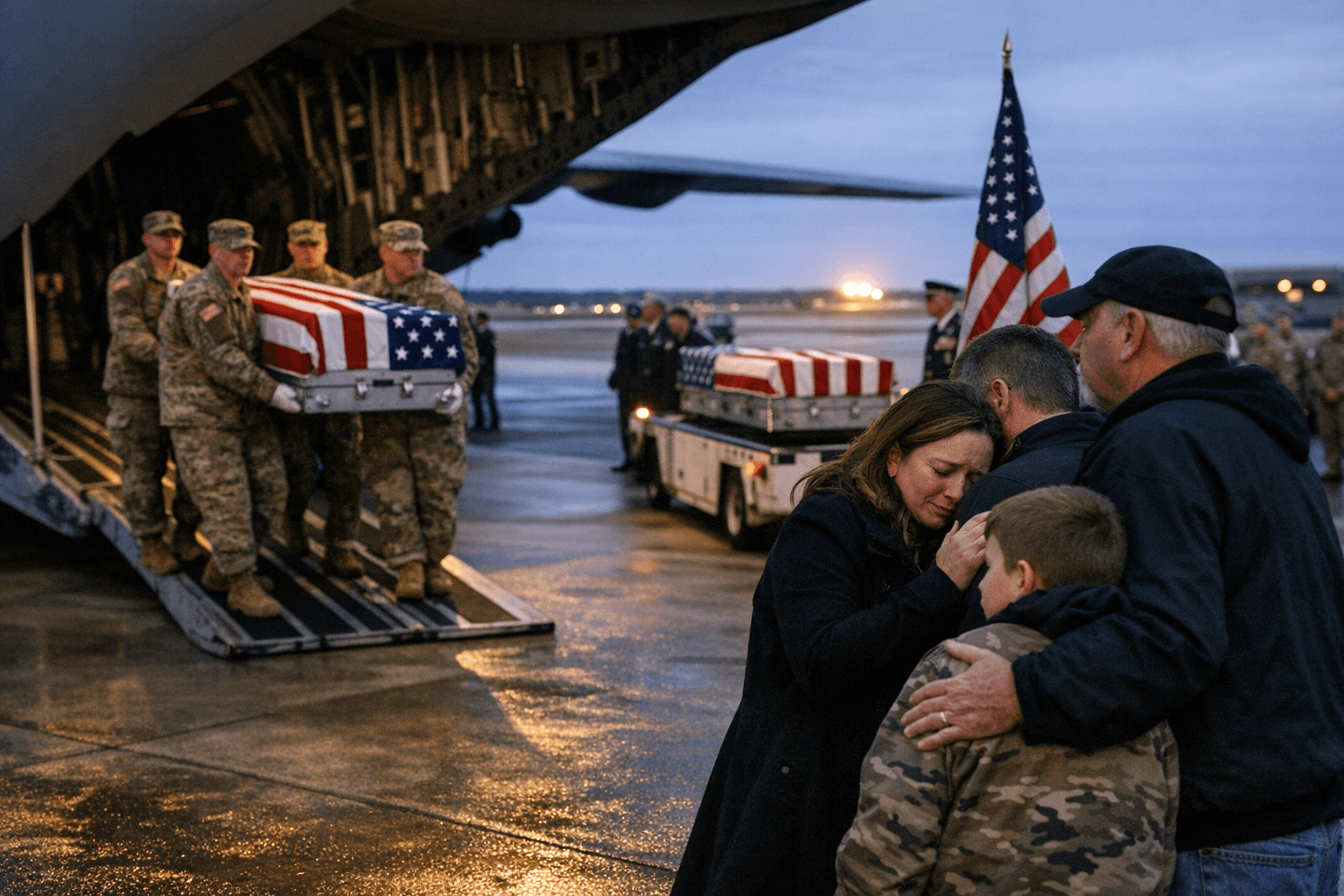
State officials announced on December 23 that the remains of two soldiers from the 1st Squadron, 113th Cavalry Regiment would be returned to Iowa on December 24. The two service members, who were serving with the unit at Camp Dodge, were killed in Syria earlier this month. A private honorable transfer ceremony at the Des Moines airport was planned for their families, and officials coordinated schedules around the private transfer.
The arrival in Des Moines closed a painful chapter for the families and for colleagues at Camp Dodge. The unit based at Camp Dodge lost two of its own, and the military community there and across the state moved quickly to offer support. Local observances and official condolences were issued statewide, and leaders emphasized privacy for grieving families while acknowledging the broader community interest in honoring service and sacrifice.
The transfer followed established procedures for repatriating remains of service members from overseas. State officials managed logistics with federal partners to ensure the private ceremony could proceed with dignity and respect. The sequence of confirmation on December 23 and return on December 24 meant a concentrated period of coordination among military officials, airport authorities, and family representatives.
For Buena Vista County residents the event resonates on multiple levels. Many families in the county have ties to the Iowa National Guard through past or present service, and the presence of the 1st Squadron, 113th Cavalry Regiment at Camp Dodge links the local economy and social fabric to state military activities. The private nature of the transfer ceremony meant that public memorials and broader commemorations may follow in the weeks ahead as communities seek ways to express support and remembrance.
The repatriation also highlights ongoing questions about state responsibilities to Guard families when members are serving overseas. Local leaders and residents have signaled a commitment to sustained support for the bereaved, and the coordinated response from military and civilian agencies underscored established protocols for handling such losses. As the families and the Camp Dodge community continue to mourn, officials have urged respect for privacy while they complete arrangements.
This article was produced by Prism’s automated news system from verified source data, official records, and press releases, then run through automated quality and moderation checks before publishing. The system is built and supervised by the people who set the standards it runs under. Read our full AI policy.
Did this article answer your question?