Northwest Iowa farmers make planting progress as soil warms above 50 degrees
Buena Vista County growers are ahead of much of Iowa, with soil just warm enough for planting and fieldwork already underway across northwest Iowa.

Buena Vista County farmers are moving while much of Iowa is still catching up, and the difference now comes down to a narrow but important margin: 4-inch soil temperatures are holding just above 50 degrees, the line agronomists watch for dependable planting conditions.
That early start matters most in northwest Iowa, where Iowa State University Extension and Outreach field agronomist Gentry Sorenson said fields were drying and field work was getting underway across Region 2, which includes Buena Vista, Clay, Dickinson, Emmet, Hancock, Kossuth, Palo Alto, Pocahontas and Winnebago counties. Sorenson said small rainfall amounts and high winds helped drying during his April 21 regional crop update, while some southern counties in his territory already had planting and fieldwork underway and farther east was only starting to get moving.
For Buena Vista County producers, the practical question is whether that head start becomes a real advantage or just an early-season snapshot. If temperatures stay above the planting threshold and the soil profile remains workable, growers can keep equipment rolling, seed moving and input timing on schedule without waiting for a long warm-up. Sorenson said subsoil moisture in the northwest was somewhat below long-term averages but still within a workable range, while statewide topsoil moisture remained mostly adequate.
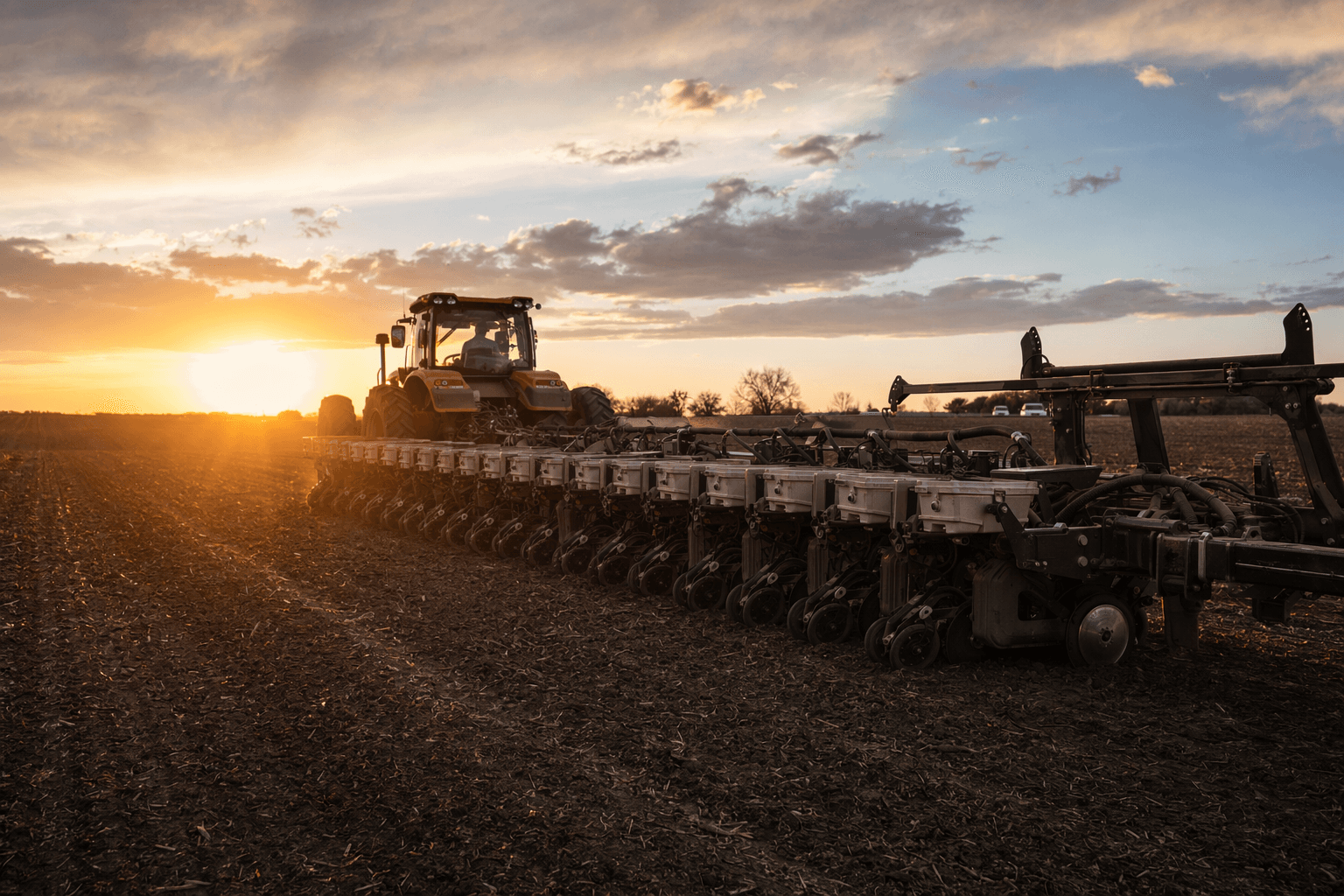
That local picture is why the Allee Demonstration Farm near Newell remains a useful benchmark. Sorenson samples there, giving area farmers a direct reference point in Buena Vista County, not just a broad regional average. The farm sits at 2030 640th Street and dates to 1958, when George M. Allee bequeathed 160 acres to Iowa State University. Its predominant soils, Clarion, Nicollet and Canisteo, are a familiar mix for growers who are watching how quickly fields will hold shape and how long moisture will stay manageable.
The broader stakes are clear. In early May 2025, Iowa had only 3.2 days suitable for fieldwork during the week ending May 4, when corn planting reached 49 percent and soybeans 38 percent statewide. By the week ending May 18, farmers had 6.6 days suitable and planting moved rapidly, though some replanting was reported in dry areas. A strong start can lower weather risk by spreading out the workload and avoiding a later bottleneck, but it does not guarantee better yields if dry conditions intensify.
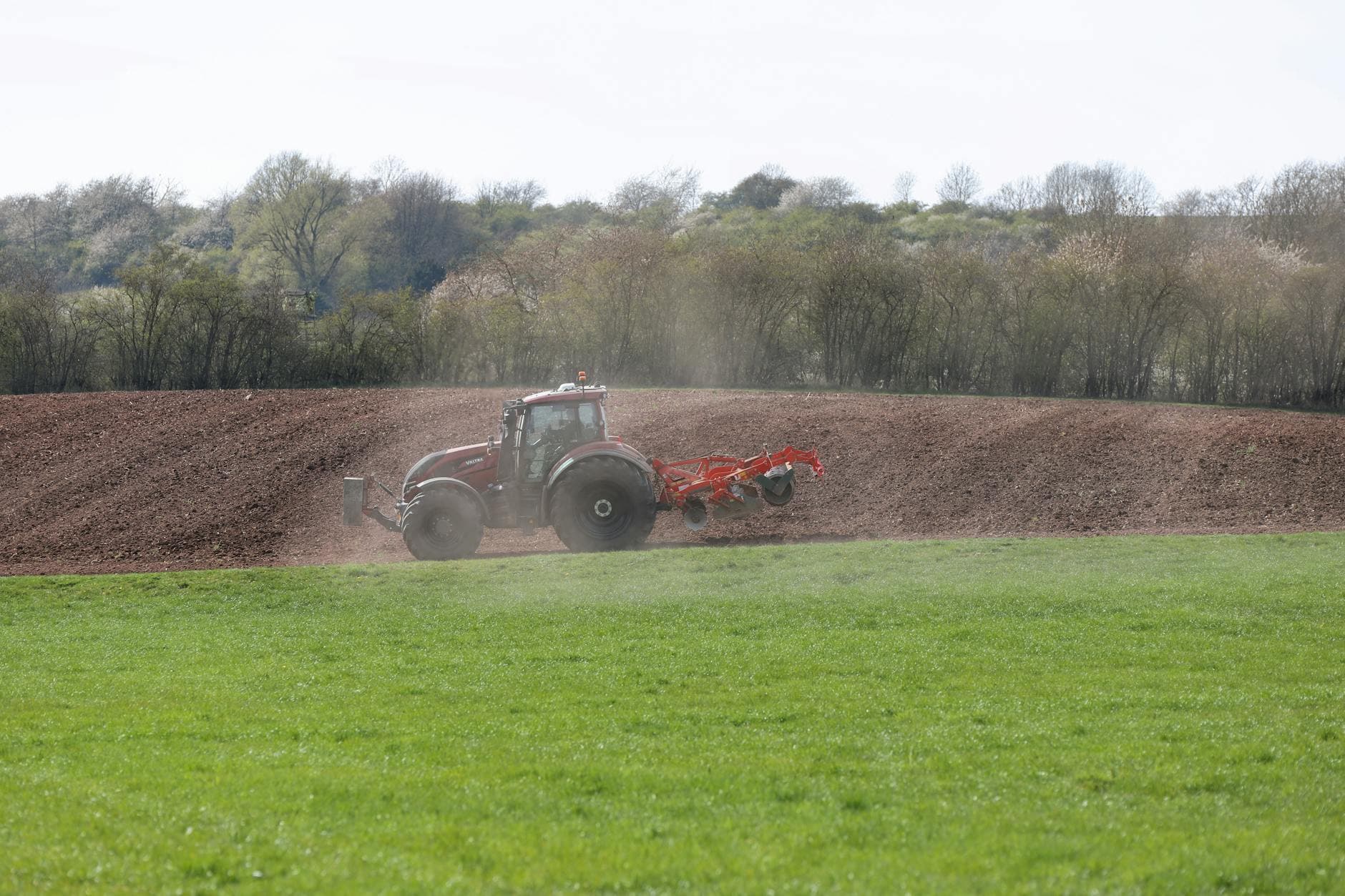
National acreage plans add another layer. USDA projected 2026 corn plantings at 95.3 million acres, down 3 percent from 2025, while soybean acreage was projected at 84.7 million acres, up 4 percent. For northwest Iowa, that reinforces how much spring timing still matters: the counties that get in first may have more flexibility if the season turns volatile, and Buena Vista County is among the places already ahead of the curve.
This article was produced by Prism’s automated news system from verified source data, official records, and press releases, then run through automated quality and moderation checks before publishing. The system is built and supervised by the people who set the standards it runs under. Read our full AI policy.
Did this article answer your question?