Pickeral Lake drawdown boosts walleye and perch fishing in Buena Vista County
A 2020-2021 drawdown helped Pickeral Lake turn into a better walleye and yellow perch fishery, giving Buena Vista County anglers a clear local payoff.
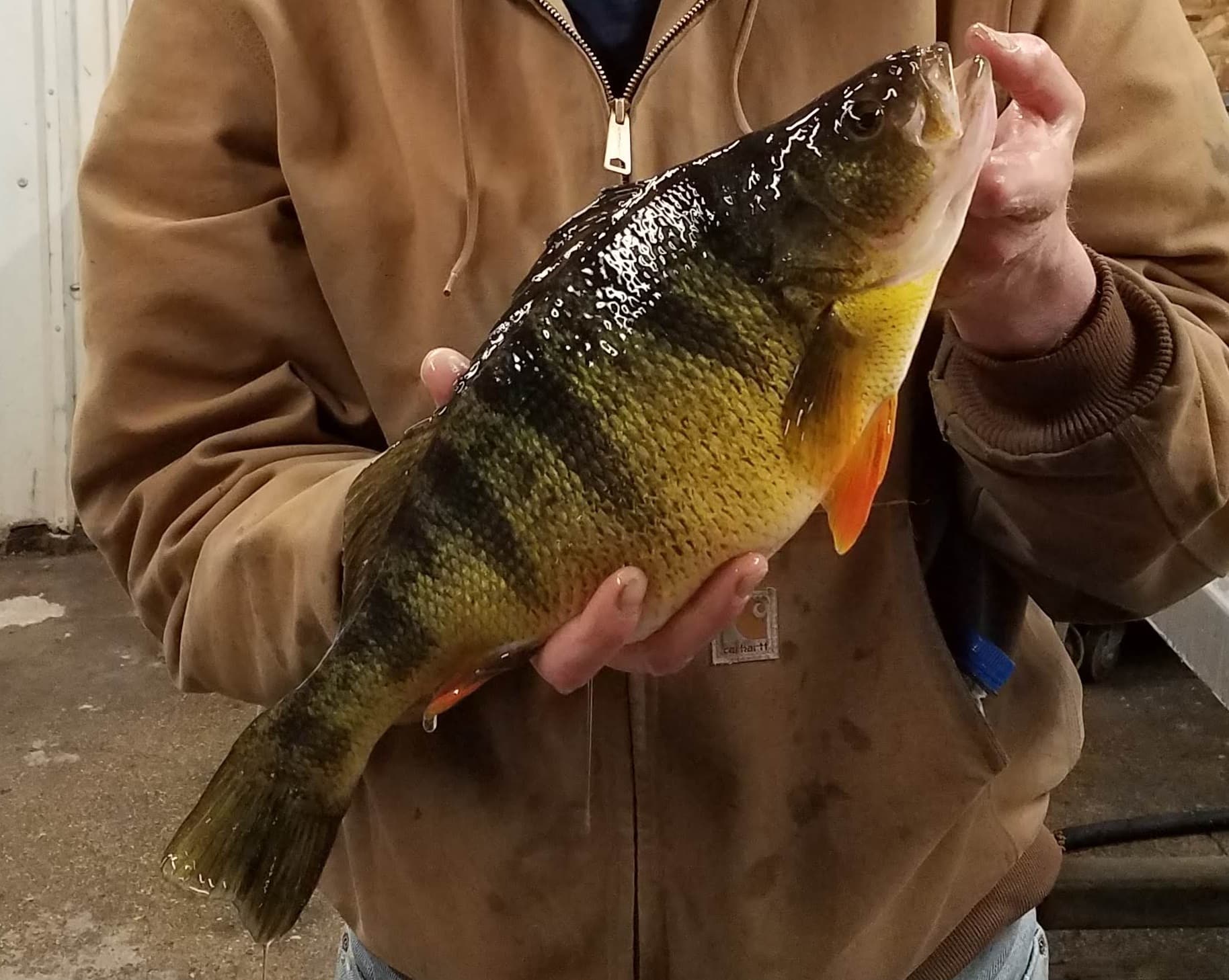
The 2020 and 2021 drawdown at Pickeral Lake changed the fishing enough that the Iowa DNR now describes the Buena Vista County water as a good walleye and yellow perch lake. For anglers, that means a small public lake with a ramp, no motoring restrictions, and a documented recovery story instead of a generic map dot. It also gives Buena Vista County a concrete example of how deliberate lake management can reshape where people fish and what they catch.
What Pickeral Lake looks like on the map
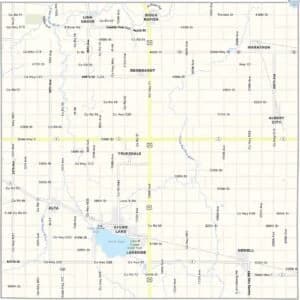
Pickeral Lake sits in Buena Vista County as a 170-acre public fishery with a management profile that is easy to read and easy to use. The Iowa DNR lists its maximum depth at 19.7 feet from the 2008 statewide lake mapping data, and the corresponding July 2008 map file shows a mean depth of 4.2 feet and a volume of 718 acre-feet. The same map file also marks a 6.7-foot maximum depth, a reminder that this is a shallow basin that can respond quickly when conditions change.
Access matters here as much as water depth. The DNR says there are no motoring restrictions, and the map shows a boat ramp, which keeps the lake practical for everyday trips rather than special-gear outings. The map also places Pickeral Lake within the Pickerel Lake WPA and Pickerel Lake WMA landscape, so the fishing experience sits inside a broader public land setting instead of an isolated parking-lot access point.
Why the drawdown changed the fishery
The key management move was the drawdown conducted in 2020 and 2021. Iowa DNR fisheries information says Pickeral Lake has recently become a good walleye and yellow perch fishing lake following that work, and that is the strongest evidence in the story because it ties a specific action to a specific result. On a shallow lake, lowering water levels can reset habitat conditions, change how fish use the basin, and reduce pressure from species that do not help the target fishery.
That response is especially important for Pickeral because the lake is small enough to show management effects quickly. A 170-acre lake with a mean depth of 4.2 feet is not a massive system that takes years to change course. When the DNR draws it down and then reports better walleye and perch fishing, the result is a practical lesson in how precise interventions can improve a public fishery without rebuilding the entire lake from scratch.
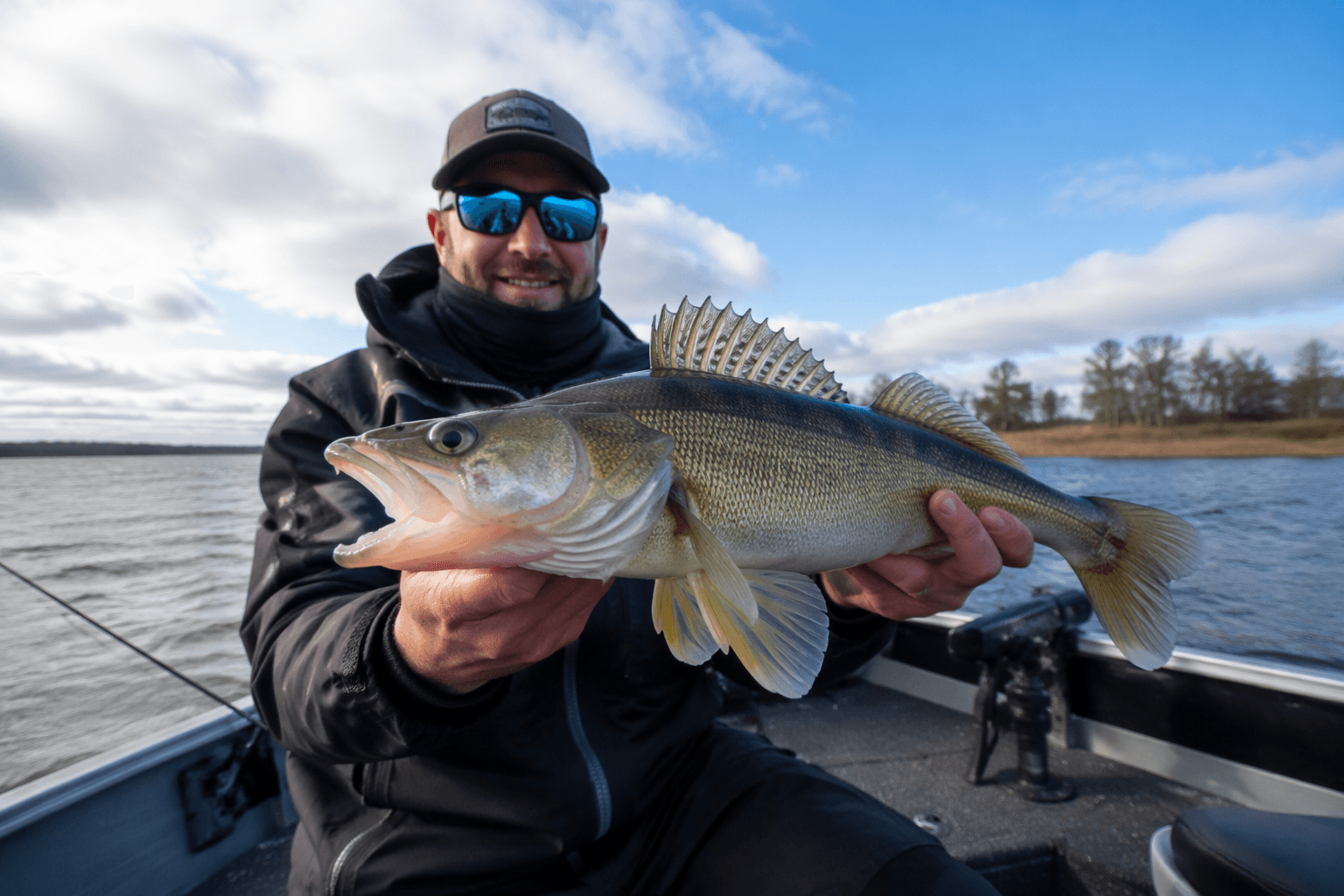
The species involved are not incidental. The Iowa DNR’s fish-species pages cover both yellow perch and walleye, two fish that are central to Midwest anglers looking for a productive day on the water. Pickeral Lake’s rebound matters because it did not just produce more fish in the abstract, it improved the chances of catching species people actively travel to target.
How to fish Pickeral now
Pickeral Lake is built for straightforward use. With no motoring restrictions and a boat ramp on the DNR map, it works for small boats, quick launches, and lower-key fishing trips that do not require a complicated plan. Its shallow profile also makes it a lake where conditions can feel intimate and manageable, which is part of the appeal for anglers who want a focused perch or walleye outing.
The lake’s rebound also has a community angle. Better fishing at a public lake can shift traffic toward local bait counters, ice, minnows, jigs, and terminal tackle, especially when walleye and perch are the target. That kind of use is not just about recreation, it is about how a county water becomes part of the local economy and part of who gets to enjoy the resource, including shoreline anglers and small-boat users who depend on easy public access.
How Pickeral compares with Storm Lake
Storm Lake gives Buena Vista County a very different fishing experience. The DNR lists Storm Lake at 3,097 acres with a maximum depth of 20.3 feet, which makes it a much larger and more open-water destination than Pickeral Lake. The contrast matters because it shows two separate county fishing choices: a broad, high-volume lake in Storm Lake and a smaller, management-driven fishery in Pickeral.
That comparison is useful when you are deciding where to spend time and money. Storm Lake can absorb more boats, more shoreline, and more general recreation, while Pickeral offers a more contained trip centered on a specific fishery outcome. For anglers who care most about walleye and yellow perch, Pickeral’s comeback story gives the smaller lake a clear identity.
How to check conditions before you go
The Iowa DNR’s fishing report search page makes it easier to track lakes like Pickeral before a trip. Reports are organized by name, county, species, and amenities, and each part of the report now carries a timestamp so you can judge how current the information is. That matters on a lake whose conditions have changed because of deliberate management, not just weather.
- search by Pickeral Lake or Buena Vista County
- look specifically for walleye and yellow perch
- check the amenities and the timestamp on the report
A quick pre-trip check can help narrow the plan:
Pickeral Lake is a useful model for future lake management decisions in Buena Vista County because it shows that a shallow public water can be improved with a targeted drawdown and then returned to anglers with a clearer purpose. It is not a one-size-fits-all prescription, but it is strong evidence that the Iowa DNR Fisheries Bureau can use when weighing similar lakes elsewhere in the area.
This article was produced by Prism’s automated news system from verified source data, official records, and press releases, then run through automated quality and moderation checks before publishing. The system is built and supervised by the people who set the standards it runs under. Read our full AI policy.
Did this article answer your question?