St. Mary’s students explore Iowa history at Living History Farms
St. Mary’s middle schoolers walked from Native dwellings to a 1900s farm at Living History Farms, turning Iowa history into a hands-on year-end lesson.
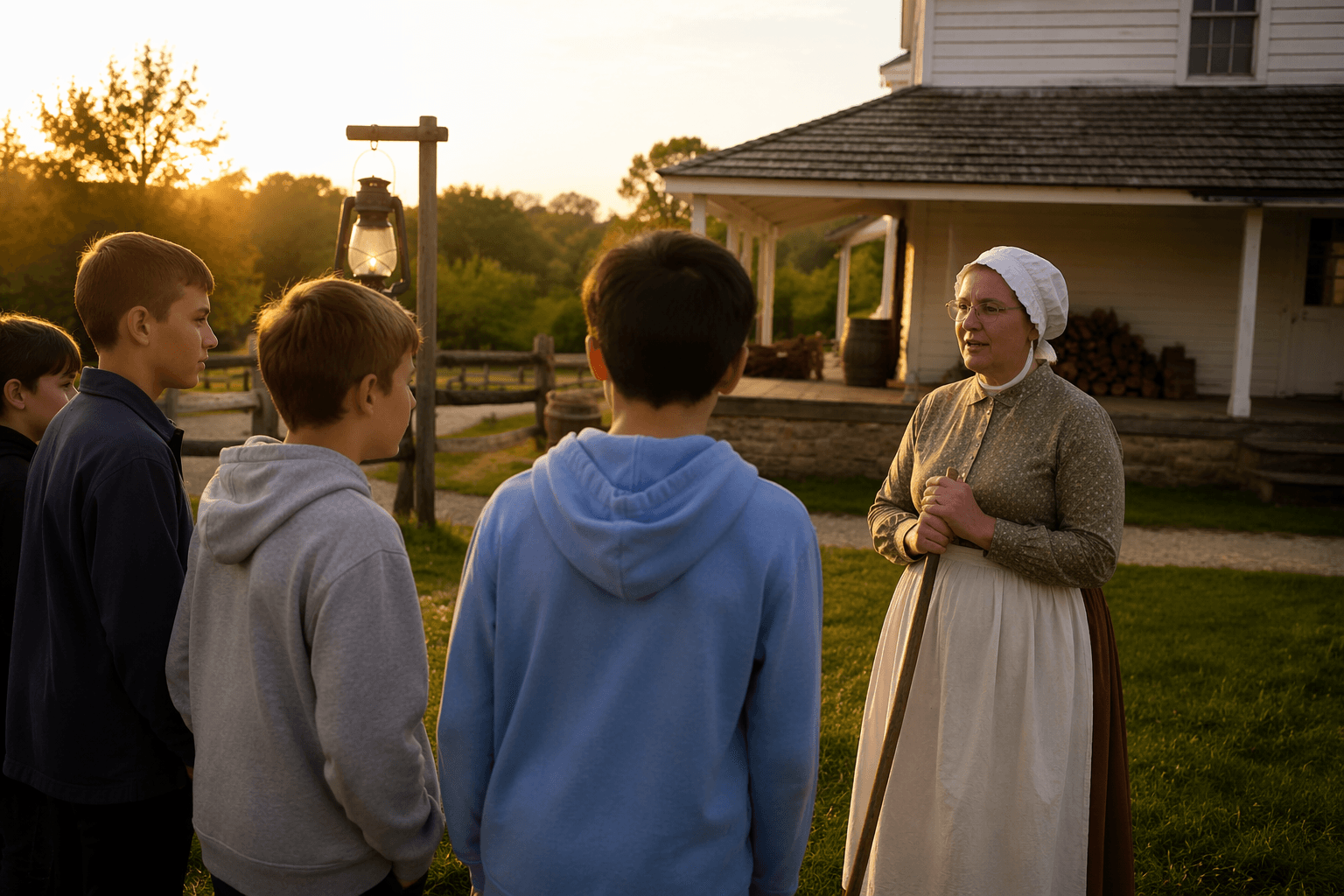
St. Mary’s Catholic School middle school students ended the school year in Urbandale, where a visit to Living History Farms turned Iowa history into a day of hands-on learning for sixth-, seventh- and eighth-graders.
The trip was built into the school’s year-end rotation, which alternates among science, fine arts and social studies themes so students get a different kind of experiential learning from year to year. This rotation focused on Iowa history and early daily life, and students moved in mixed-grade groups instead of staying in their own classrooms.
At the museum, the students moved through settings that stretched from the 1700s to the early 1900s. They visited Native American dwellings, homesteading exhibits and demonstrations of early Iowa life, then spent time in the print shop, blacksmith area and drugstore before ending at the 1900s farm, where many enjoyed seeing the livestock.
Living History Farms describes itself as a 500-acre outdoor museum that tells more than 300 years of Iowa history. Its site includes the 1700 Ioway Farm, 1850 Pioneer Farm, 1900 Horse-Powered Farm and the 1876 town of Walnut Hill, and its visitor guide says the farm sites are arranged as a one-way route beginning at the 1700 farm and ending at the 1900 farm.
Those stops gave St. Mary’s students a close look at how the state changed over time. Living History Farms says the 1700 Ioway Farm reflects farming before written history, when women farmed and men hunted and made tools, and families raised corn, beans and squash. The 1850 Pioneer Farm represents the period around Iowa statehood in 1846 and the shift from subsistence farming to profit-making agriculture. By 1900, draft horses and new machinery had changed farm work and food preservation enough to reshape daily life across Iowa.
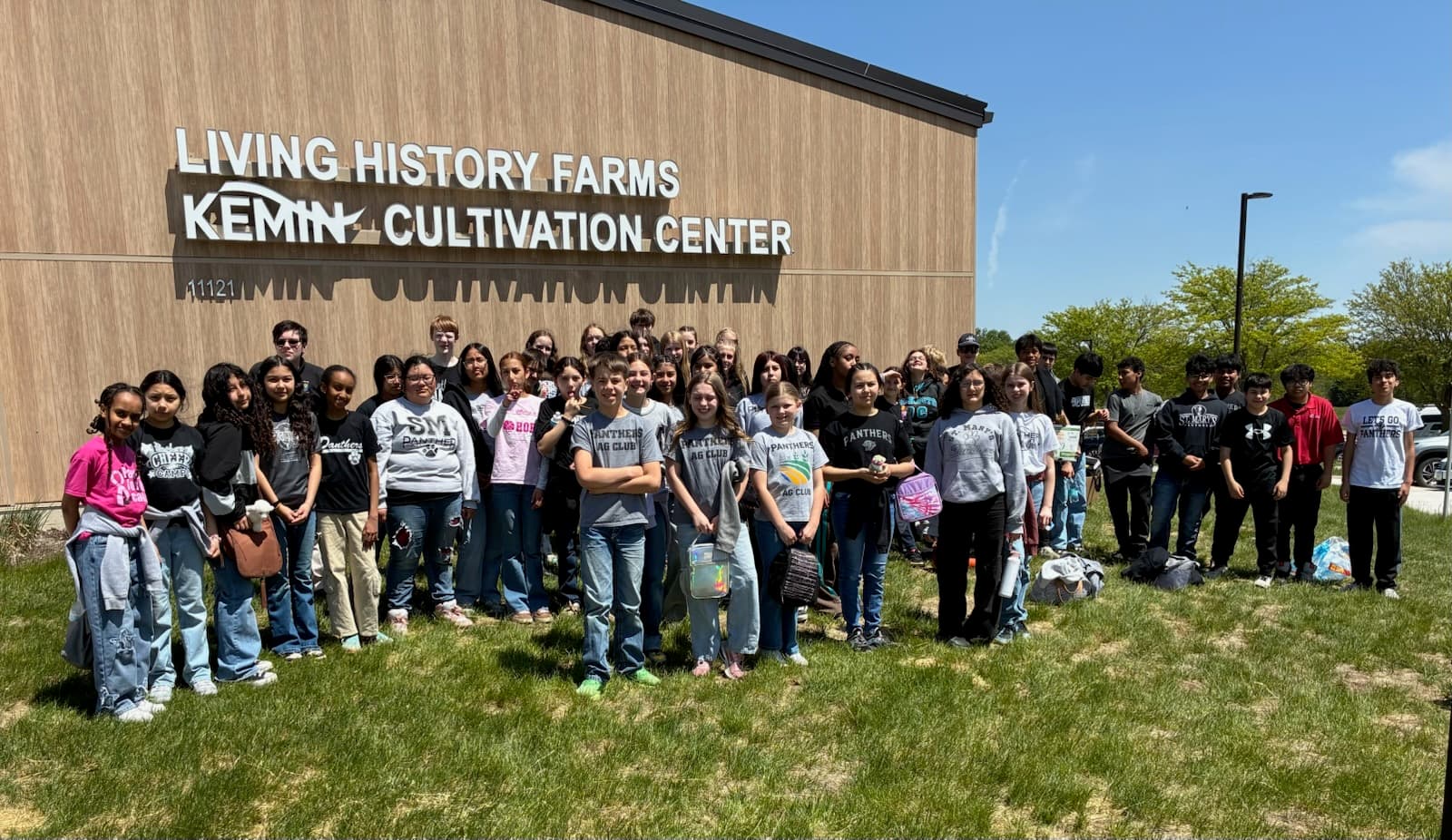
The trip was supported by the Parents and Teachers of Panthers organization and a Simpson College grant focused on Iowa government and history, with teachers and parent volunteers helping supervise. School officials said the weather was ideal and described the outing as meaningful real-world learning outside the classroom, the kind that helps students connect textbook lessons to actual places, tools and routines that shaped the state.
Living History Farms says its mission is to educate and connect people to the stories of Midwestern rural heritage, a fit that made the museum a natural stop for St. Mary’s year-end social studies work. St. Mary’s Catholic School is enrolling for the 2026-27 school year, and the school office can be reached at 712-732-4166.
This article was produced by Prism’s automated news system from verified source data, official records, and press releases, then run through automated quality and moderation checks before publishing. The system is built and supervised by the people who set the standards it runs under. Read our full AI policy.
Did this article answer your question?