Storm Lake Dominates Boys Basketball, Girls Fall in Local Scoreboard
Local high school teams from across Buena Vista County and northwest Iowa completed a busy Jan. 6 night of competition, with Storm Lake’s boys basketball racking up an 86-33 win over Newell-Fonda while the Storm Lake girls fell 70-33 to the same opponent. The compact scoreboard also logged Alta-Aurelia wrestling results and a broad slate of regional prep contests, a snapshot that matters for community morale, youth health, and school resource planning.
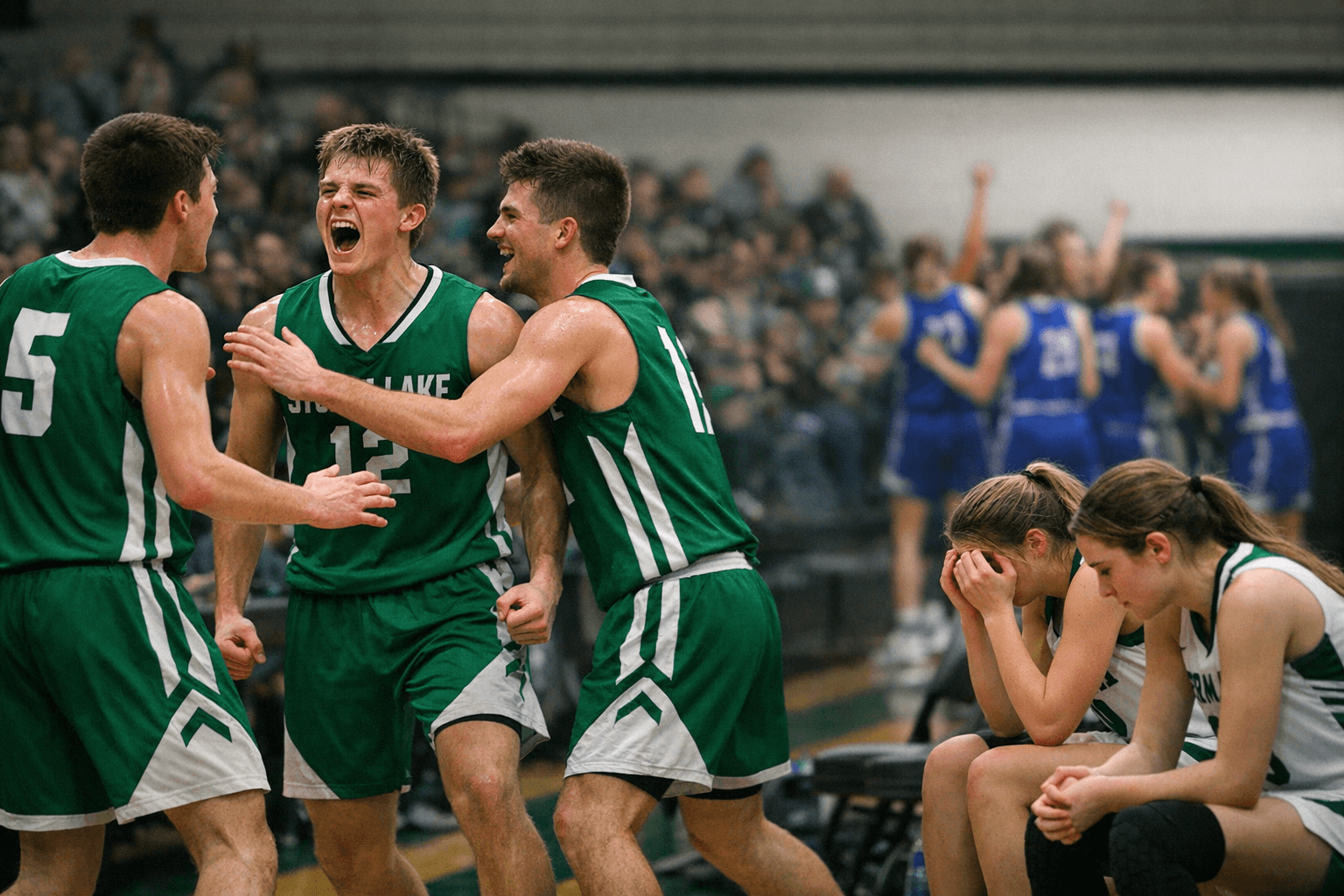
High school athletes across Buena Vista County and neighboring districts took the court and mat on Jan. 6 in matchups that left a clear imprint on local standings and on community life. Storm Lake’s boys basketball team handed Newell-Fonda an 86-33 defeat, while the Storm Lake girls were defeated by Newell-Fonda 70-33. Alongside those results, the scoreboard recorded Alta-Aurelia wrestling outcomes and a wide range of Northwest Iowa prep scores, providing a concise roundup of the night’s action.
These contests are more than numbers on a page. In small communities, school sports serve as a central gathering point that supports physical activity, social connection, and youth development. Wins and losses affect player confidence, booster club fundraising, and attendance at future events. The heavy margin in the Storm Lake boys’ victory and the deficit in the girls’ game highlight competitive gaps that can prompt coaches, athletic directors, and school boards to reassess scheduling, support, and development programs.
Public health and safety are intertwined with high school athletics. Regular competition contributes to cardiovascular fitness, stress reduction, and social belonging among students. At the same time, organizing frequent contests across rural districts raises practical questions about on-site medical coverage, travel burdens for families and teams, and access to qualified athletic trainers. Ensuring consistent concussion protocols, emergency response plans, and routine health screenings requires funding and coordination that can be uneven in rural school systems.
These disparities are also a matter of social equity. Girls’ programs historically receive different levels of resources and visibility than boys’ teams in some districts, which can influence competitive balance and long-term participation rates. Addressing those gaps means evaluating budgets, transportation support, and coaching capacity so all students have comparable opportunities to compete and to benefit from school sports’ health and educational advantages.
Local officials, school administrators, and health partners can use scoreboards like this one as a prompt for action: review weekend and weekday travel policies that affect student well-being, prioritize access to athletic trainers and mental health supports at events, and ensure equitable funding across programs. For families and supporters, the results are a reminder of the role high school athletics play in community identity, and of the practical steps necessary to keep young athletes safe, healthy, and included as the season continues.
This article was produced by Prism’s automated news system from verified source data, official records, and press releases, then run through automated quality and moderation checks before publishing. The system is built and supervised by the people who set the standards it runs under. Read our full AI policy.
Did this article answer your question?