Storm Lake Museum Preserves County History, Supports Local Tourism
The Buena Vista County Historical Society Museum in downtown Storm Lake preserves county history through rotating exhibits, educational programs, and a notable Rembrandt bank exhibit tied to a 1934 robbery. Its collections and seasonal operations at 214 W 5th Street matter to residents because they anchor downtown activity, provide school programming, and contribute to local cultural tourism.
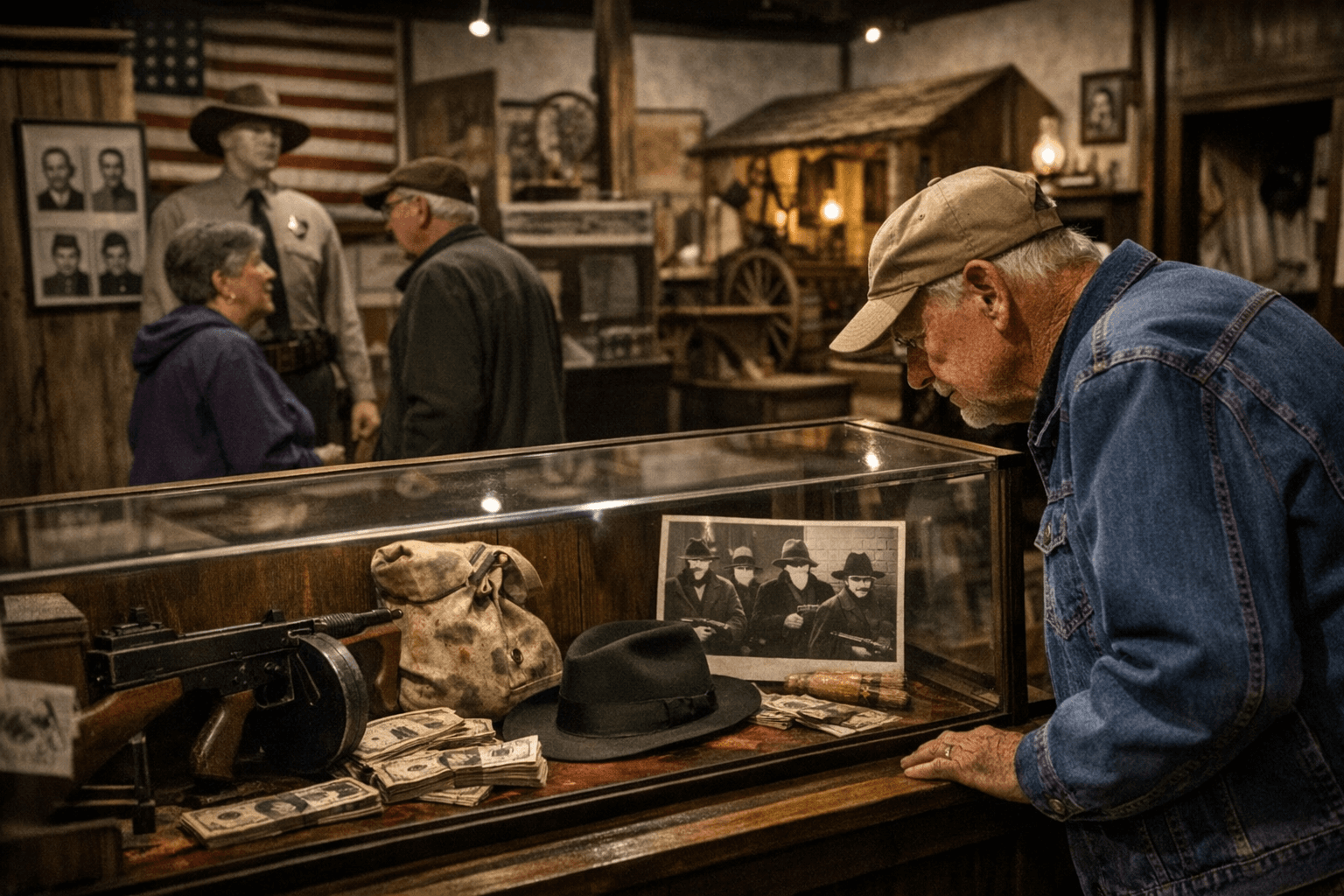
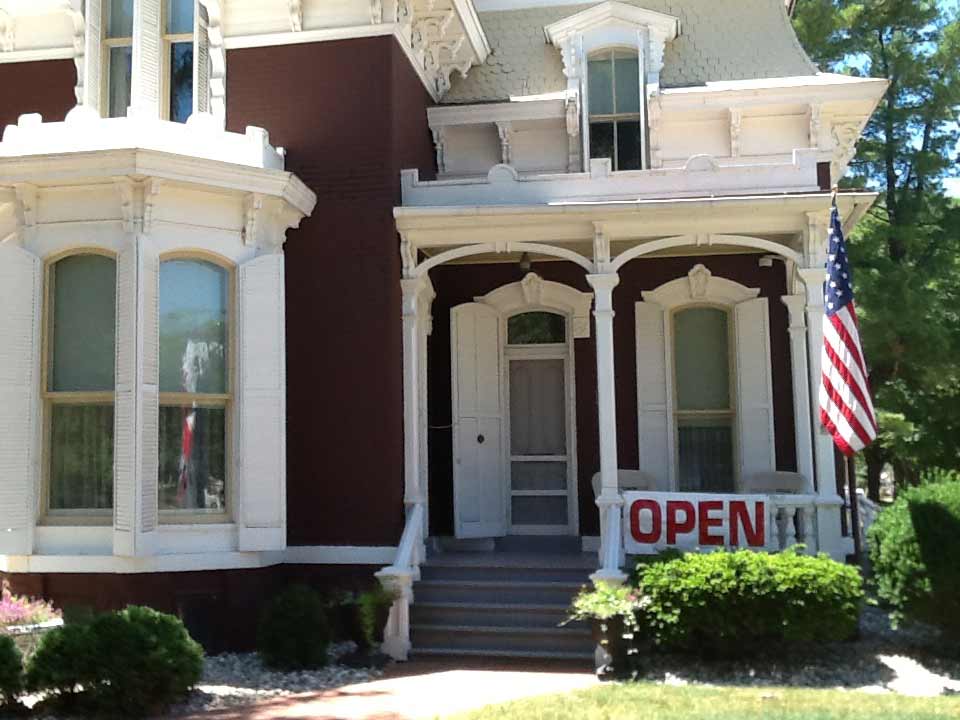
The Buena Vista County Historical Society Museum is a focal point for county history and community activity in Storm Lake. Located at 214 W 5th Street, the museum maintains displays on pioneer life, Native American artifacts, and unique local stories, including a Rembrandt bank exhibit linked to a 1934 robbery. Exhibits rotate through the year and the museum offers educational programs timed to seasonal hours to serve students and visitors.
This institution functions as both a repository of artifacts and a civic asset for downtown. By hosting rotating displays the museum creates reasons for repeat visits and supports foot traffic for nearby businesses. Educational programming connects classroom curricula to local primary sources and artifacts, reinforcing historical literacy among local students and offering structured activities for school groups during the academic year.
From an economic perspective small cultural institutions like this one help diversify the local visitor mix. Heritage exhibits strengthen Storm Lake as a destination for residents and out of area visitors interested in regional history. That has implications for local retailers, restaurants, and service providers that benefit when museum schedules draw families and school groups to downtown. Seasonal hours and rotating exhibits are practical levers the museum uses to align supply with demand, concentrating resources during peak visitation periods.
Policy choices at the county and municipal level can affect the museum's ability to deliver these benefits. Investments in signage, downtown wayfinding, and coordinated programming across county attractions can turn occasional visits into longer stays. Grant funding and partnerships with schools and historical organizations can underwrite preservation of Native American artifacts and fragile pioneer materials while expanding public access.
Looking ahead the museum sits at the intersection of preservation and local economic development. Continued attention to exhibit planning, outreach to schools, and coordination with downtown business initiatives will determine how effectively the museum translates historical stewardship into tangible community benefits. For residents, the museum offers both a window into the past and a practical asset for downtown vitality.
This article was produced by Prism’s automated news system from verified source data, official records, and press releases, then run through automated quality and moderation checks before publishing. The system is built and supervised by the people who set the standards it runs under. Read our full AI policy.
Did this article answer your question?