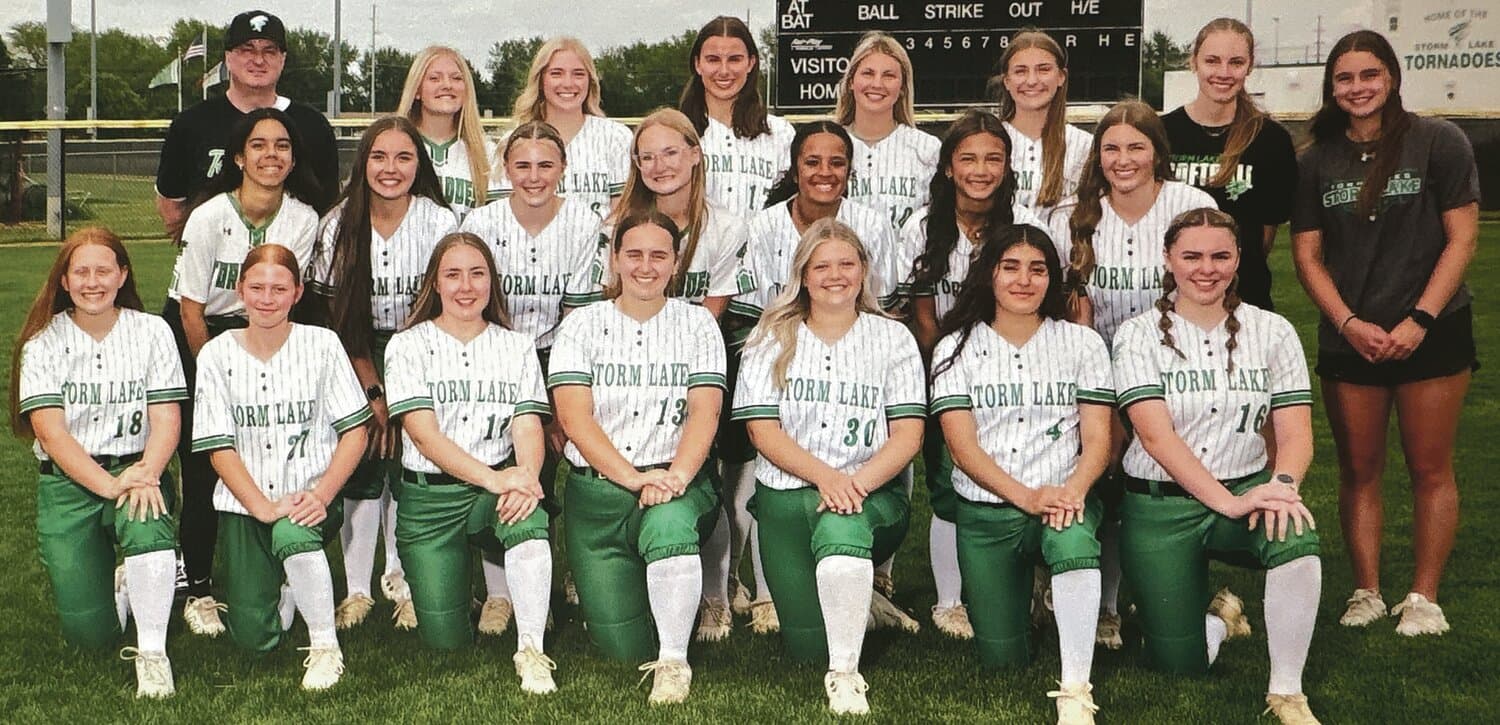
Storm Lake students debate real city issues in mock council meeting
Storm Lake High School students grappled with water rates, leash rules and e-bike limits inside a mock council session at City Hall.
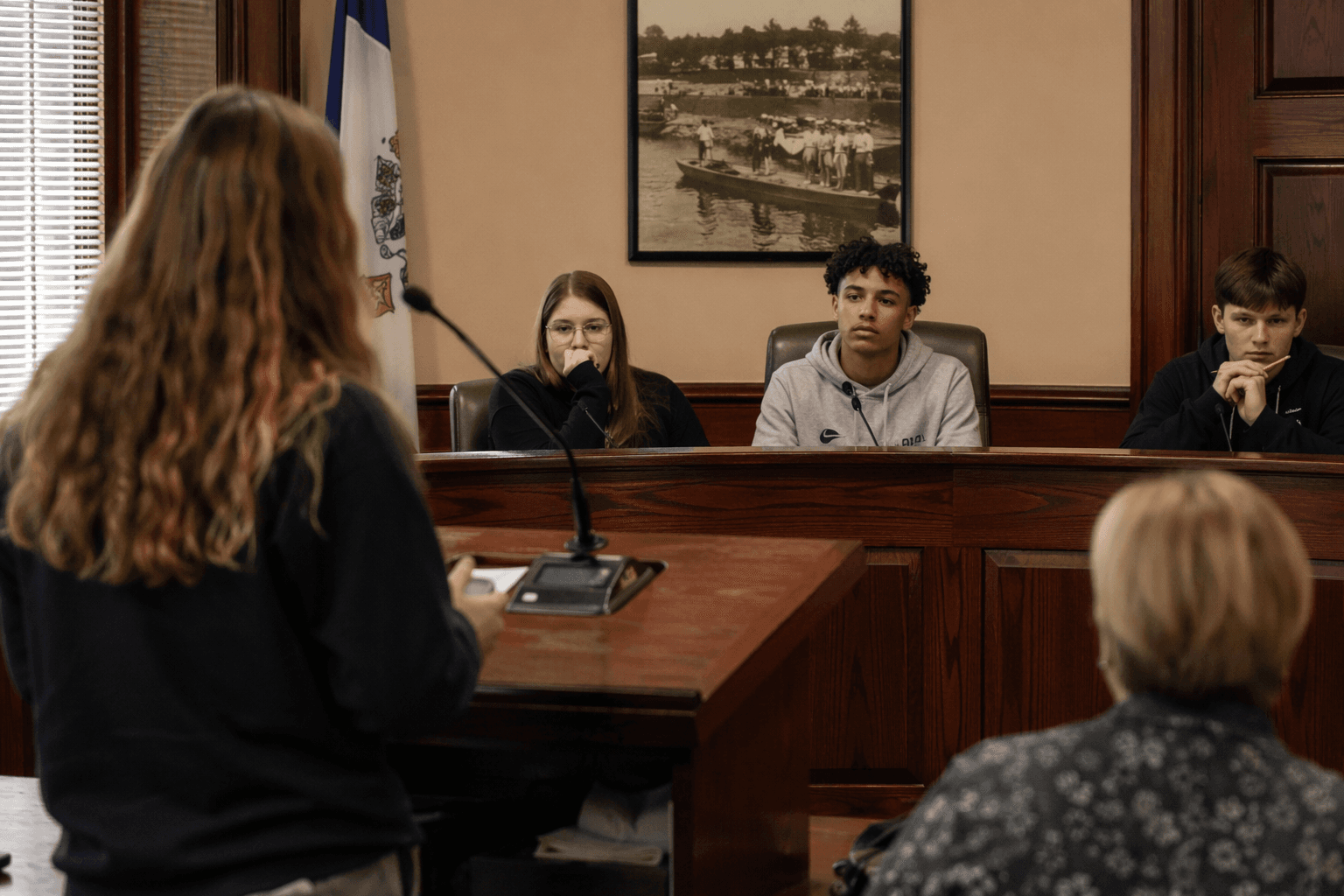
Storm Lake High School students took over the council chambers at Storm Lake City Hall on Monday, debating water rate increases, a possible leash law for dogs and rules for e-bikes and scooters inside the same room where city decisions are made at 620 Erie St.
The exercise came through Citizenship in the Community, the school’s May-term civics class, and Mayor Meg McKeon invited the class to City Hall. Teacher Nate Sotebeer said the point was to give students a deeper understanding of local government than a textbook could provide, with two sessions held so every student could take part.
Students rotated through roles such as mayor, city manager and city clerk after studying the news, running for mock positions and practicing with a script modeled after an actual council agenda. That structure mattered. Storm Lake’s City Council meets at City Hall on the first and third Monday of each month, and the city’s agenda portal showed meetings set for May 18 and June 1, putting the mock session squarely in the middle of a real council cycle.
The agenda was not make-believe. Students discussed the same kinds of issues the city has been working through, including water service rate increases, a possible leash law and whether e-bike and scooter regulations should be tightened, along with questions about enforcement and which officials would have to weigh in. The city code already shows recent ordinances dealing with sewer rates, storm water service rates, water utility infrastructure, domestic pigeons, cats, dogs and dangerous or vicious animals.
That policy backdrop made the lesson immediate. Storm Lake’s dog licensing page says dogs on public property must be leashed with a leash of six feet or less, a concrete rule that gave the students a real municipal standard to weigh as they debated whether the city needed additional restrictions. The city’s utility rates were just as tangible: the posted schedule updated Aug. 1, 2025, lists a residential water base rate of $17.47 for the first 1,500 gallons, sewer at $30.06 plus $5.78 per 1,000 gallons used, residential landfill at $8.50 and stormwater at $5.00 per ERU.
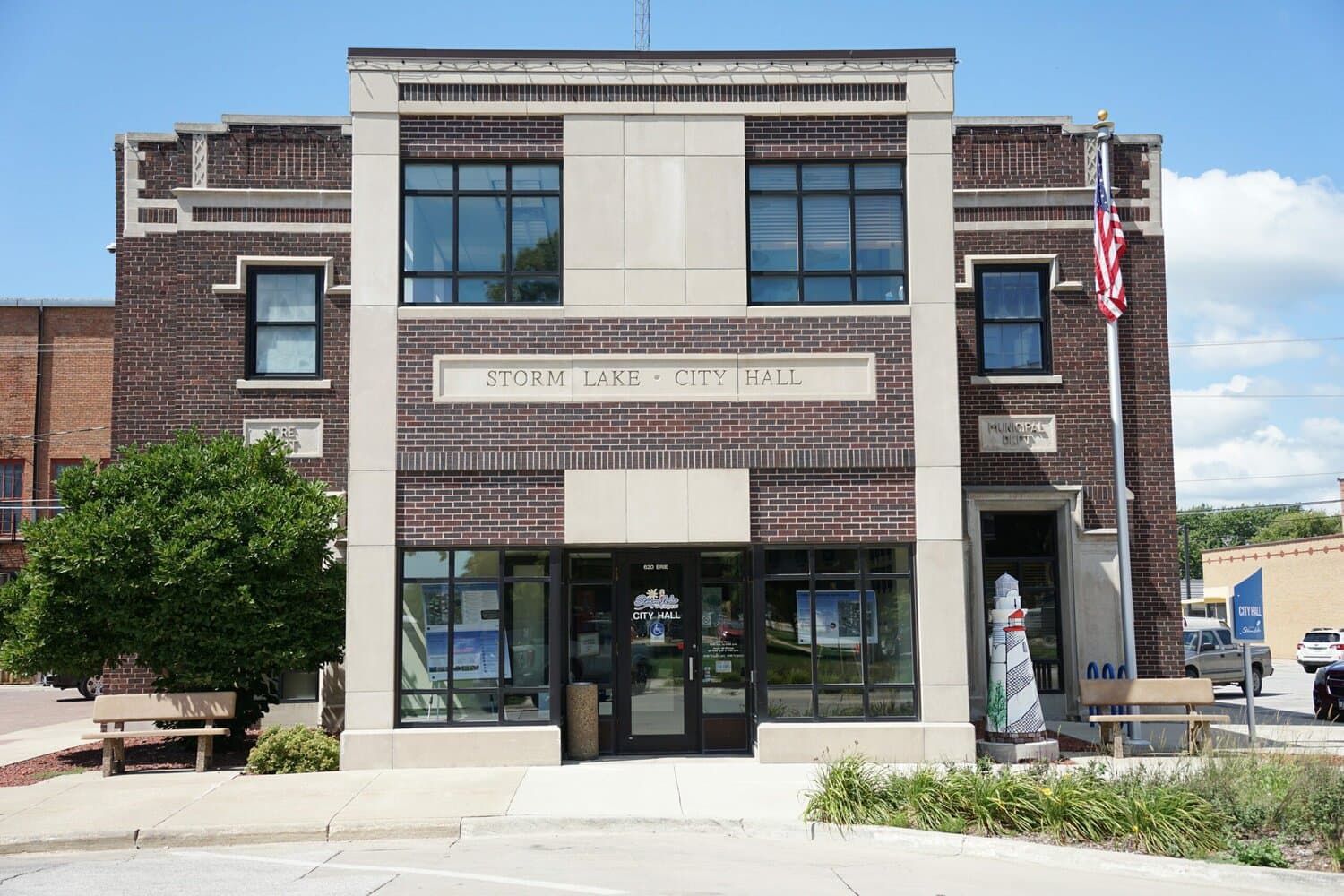
The bill structure shows why local government literacy matters in Storm Lake, where the city says the water bill also includes landfill, sewer, storm water utilities and water. The U.S. Census Bureau estimated the city’s population at 11,627 in 2024, up from 11,269 in the 2020 census, and those residents pay for the rules and services that came up in the mock meeting.
May Term itself is new at Storm Lake High School this spring, an eight-day term designed to let students earn credit or half credit through focused topics. McKeon’s student essay contest, “Why I’m Storm Lake Proud,” for grades 9-12, showed the city was already reaching for that same audience. The mock council meeting added something harder to teach: a first-hand look at how city power is exercised, contested and translated into rules, rates and budgets that shape daily life in Storm Lake.
This article was produced by Prism’s automated news system from verified source data, official records, and press releases, then run through automated quality and moderation checks before publishing. The system is built and supervised by the people who set the standards it runs under. Read our full AI policy.
Did this article answer your question?