Winter Work Safety, Preventing Heart Attacks During Snow Shoveling
A state health advisory issued December 30, 2025 warns that heavy physical exertion from winter tasks, especially shoveling snow, can trigger heart attacks in people with heart disease or cardiovascular risk factors. Buena Vista County residents and first responders will learn practical precautions you can take now, when to seek medical advice, and how local planning can reduce winter cardiac risk during New Year weather.
1. State health advisory overview
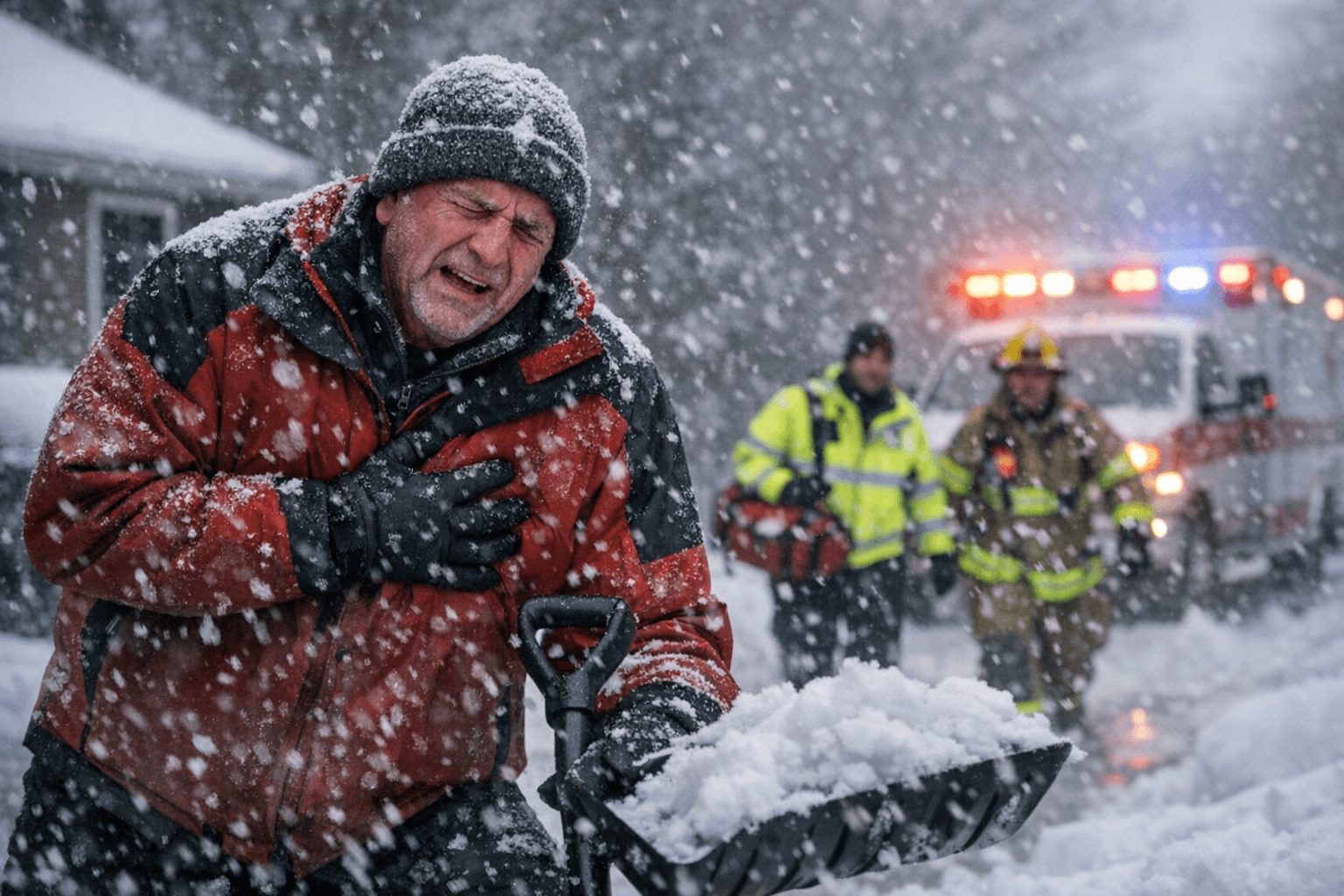
The state issued an advisory on December 30, 2025 noting that intense winter exertion, particularly snow shoveling, can precipitate heart attacks, with elevated risk for people who already have heart disease or cardiovascular risk factors. The guidance is timely because New Year holiday weather often increases the amount of heavy outdoor work people attempt at once. Buena Vista County residents and local first responders are specifically called out as audiences for this safety guidance.
2. Who is most at risk
People with diagnosed heart disease are at highest risk, but risk also rises in people with common cardiovascular risk factors such as high blood pressure, high cholesterol, diabetes, smoking, obesity, and older age. Even physically active people can be vulnerable when they suddenly perform intense, sustained exertion in cold conditions. If you have any of these conditions, you should treat winter yard work as a potential cardiac stressor and take additional precautions.
3. How winter exertion can trigger cardiac events
Cold air causes blood vessels to constrict, which raises blood pressure and increases the workload on the heart, while sudden heavy exertion sharply raises heart rate and oxygen demand. Combining cold-induced vascular stress with vigorous, repetitive efforts like shoveling sets up a physiological mismatch that can trigger coronary blockages or heart rhythm disturbances. Understanding that physiology explains why brief, intense bursts of work are riskier than steady, moderate activity.
4. Warm up before you begin
Warming up your muscles and cardiovascular system reduces the sudden strain on your heart when you start shoveling or doing other heavy winter chores. Engage in 5 to 10 minutes of light marching in place, gentle arm circles, and brisk walking before tackling snow removal while you remain layered and warm. Warming up raises baseline blood flow and heart rate gradually, making the transition to more strenuous work safer.
5. Take frequent rests and pace yourself
Pacing is one of the most effective ways to reduce cardiac risk during winter work; take regular, scheduled breaks and do not rush. Alternate 10 to 15 minutes of work with 5 to 10 minutes of rest, monitor how you feel, and go inside to warm up if you begin to sweat or feel short of breath. Carry a cell phone, tell someone you’re working outside, and stop activity immediately if you experience chest discomfort, lightheadedness, or unusual fatigue.
6. Avoid overexertion and know your limits
Avoid lifting heavy loads or throwing snow when possible, and break larger tasks into multiple, smaller sessions over several days. Ask neighbors, family, or local services for help with large areas or deep drifts rather than pushing yourself beyond comfortable limits. If you have known heart disease or risk factors, consult your clinician before engaging in strenuous activity and follow their individualized recommendations.
7. Use push-style snow tools when possible
Push-style snow tools shift the work from repeated lifting to pushing, which reduces strain on the heart and the back by keeping movements more continuous and less explosive. Use ergonomic shovels with adjustable handles and choose a tool designed for pushing rather than frequent heavy lifting. Pushing also lets you keep a steadier rhythm and avoid sudden high-intensity bursts that are most likely to trigger cardiac stress.
8. Consult your doctor before strenuous activity if you have heart conditions
The advisory emphasizes that people with underlying heart conditions should check with their doctor before undertaking strenuous winter tasks. Your clinician can advise whether it is safe to shovel, suggest alternative activities, or recommend tests and medications to lower risk. This step is particularly important if you have had recent cardiac events, new symptoms, or changes in medication.
9. Local impact for Buena Vista County residents and first responders
For residents, the advisory is a reminder to plan ahead during New Year weather, prioritize safety for older neighbors and people with health conditions, and use community resources for snow removal where available. First responders and emergency planners should anticipate a potential rise in winter cardiac calls during heavy snowfall periods and consider staffing adjustments, public messaging, and coordination with volunteer groups. Community-level preparedness and simple individual precautions together reduce the strain on emergency services and lower the chance of preventable cardiac events.
10. When to seek emergency help
If you experience chest pain, pressure, sudden shortness of breath, fainting, or other symptoms suggestive of a heart attack, stop activity immediately and call emergency services without delay. Early medical treatment can be lifesaving and improves outcomes; do not try to ride out severe chest discomfort while continuing to work. Make sure household members and neighbors know your medical history and emergency contact information so they can act quickly if needed.
This article was produced by Prism’s automated news system from verified source data, official records, and press releases, then run through automated quality and moderation checks before publishing. The system is built and supervised by the people who set the standards it runs under. Read our full AI policy.
Did this article answer your question?