Arctic Air and Cold Advisory for Buncombe County as Winter Storm Threatens
Arctic air settled over the high country, prompting a National Weather Service cold weather advisory and raising the risk of a winter storm that could disrupt travel and strain local services.
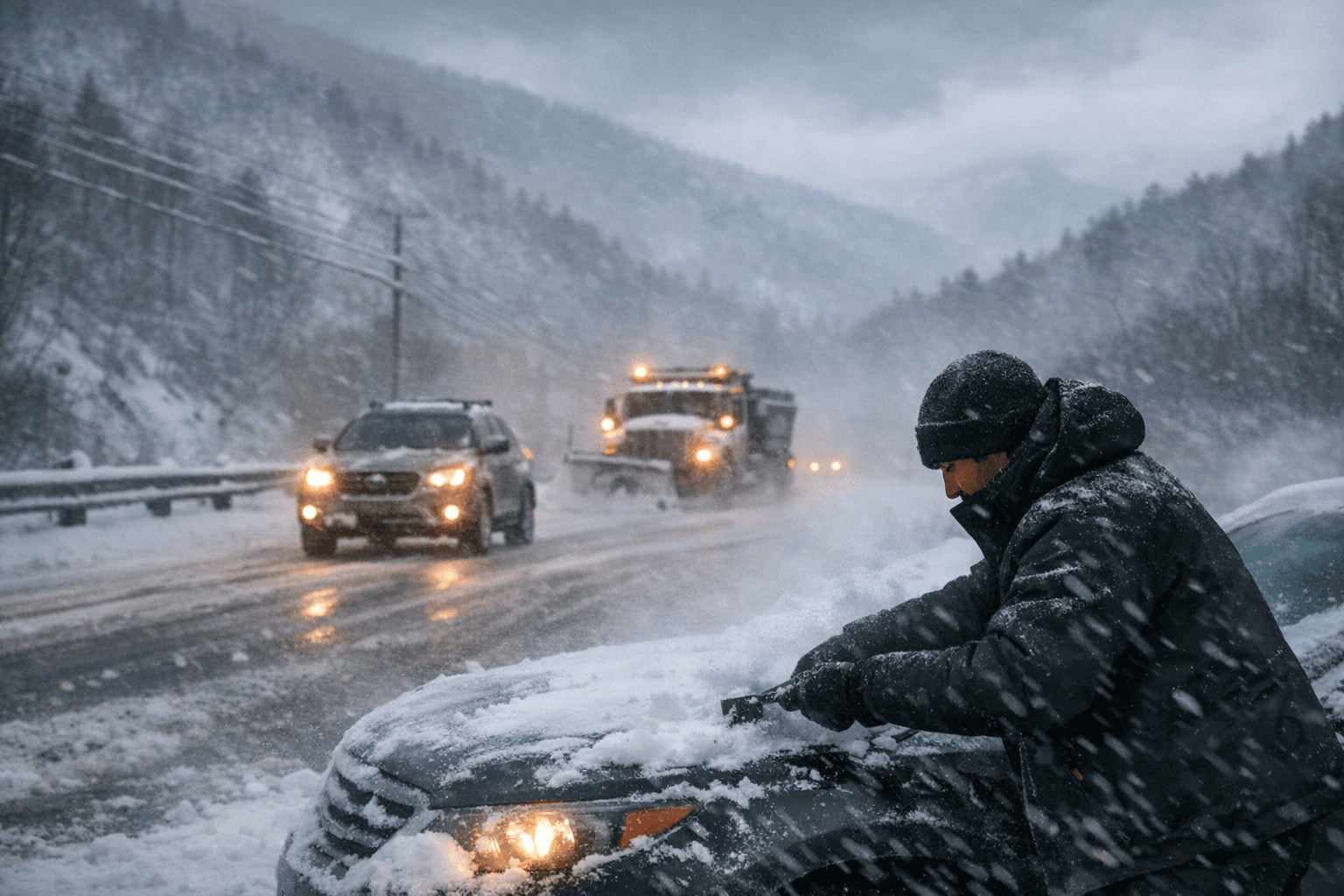
Arctic air parked over Buncombe County’s high country produced bitter temperatures and prompted the National Weather Service to issue a Cold Weather Advisory for high-elevation areas on Jan. 19. Mount Mitchell recorded very low temperatures and dangerous wind chills as forecasters warned that model guidance pointed to a possible winter storm later in the week or over the coming weekend.
Meteorologists said the primary uncertainty was the storm track, which will determine whether the county sees rain, freezing rain, snow, or a mix across elevation bands. Forecasters also warned of gusty winds and noted elevated fire danger in lower elevations because of low humidity even as cold air dominated the mountaintops. Those competing hazards, extreme cold up high and dry, windy conditions below, complicate preparations for residents across the county.
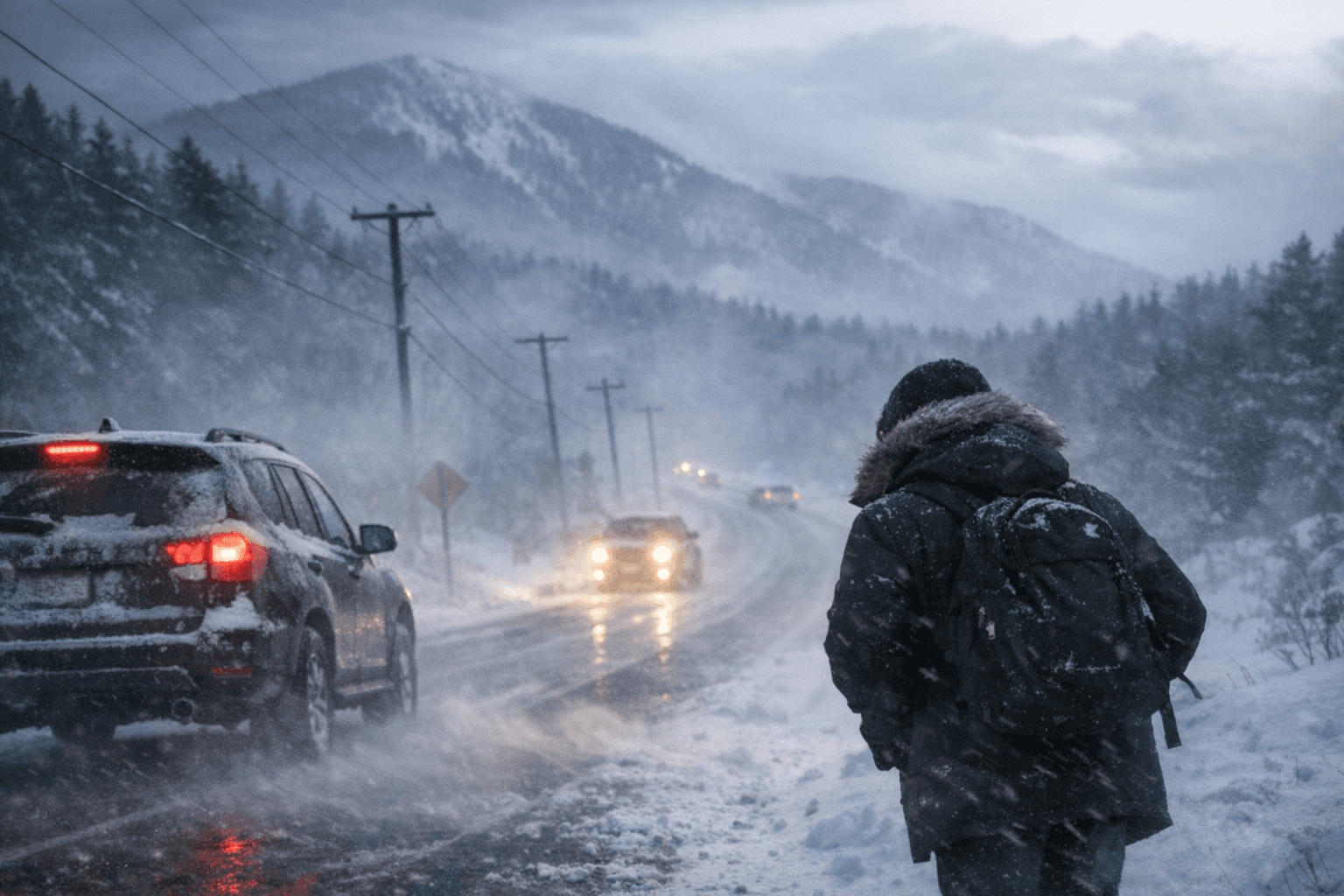
The near-term impact falls hardest on residents with limited heating options, older adults, and people living outdoors. Cold-related illnesses, hypothermia, and increased demand for emergency medical services are public health concerns when low temperatures and wind chills combine. Travel disruptions from slick roads, brief power outages, or gust-driven tree damage could impede access to clinics and emergency care, disproportionately affecting those who rely on public transit or lack flexible work leave.
Lower-elevation neighborhoods face different risks. Low humidity and gusty winds raise fire danger for homes that depend on wood heat or portable combustion heaters. That risk intersects with equity issues: low-income households are more likely to use riskier heating sources and to lack funds for emergency repairs, creating a layered public health challenge.
County officials and service providers need to prioritize outreach to the most vulnerable. Residents are advised to monitor National Weather Service updates and local emergency messages, prepare for travel disruptions, and check that heating systems and carbon monoxide detectors are working. Protecting water pipes from freezing, creating emergency kits with food and medicine, and developing contingency plans for medical appointments can reduce strain during a short-notice storm. Neighbors and community groups play a critical role in checking on elders and people experiencing homelessness, who face the greatest exposure to cold.
What comes next will hinge on the storm’s path and timing. Forecast guidance from Jan. 19 left significant uncertainty about precipitation type and timing, so Buncombe County residents should stay alert through the coming days and plan for both cold and winter-precipitation scenarios. Preparing now for transportation challenges and supporting those with the fewest resources can blunt the health and social impacts if the storm materializes.
This article was produced by Prism’s automated news system from verified source data, official records, and press releases, then run through automated quality and moderation checks before publishing. The system is built and supervised by the people who set the standards it runs under. Read our full AI policy.
Did this article answer your question?