ArtsAVL unveils arts recovery framework for Asheville, Buncombe County
ArtsAVL's draft recovery plan puts live-work space, venue support and arts districts at the center of Buncombe County's post-Helene rebuild.
ArtsAVL has put a recovery blueprint in front of Asheville and Buncombe County just as the region’s arts economy is still absorbing Hurricane Helene’s blow. The draft Asheville-Buncombe Arts Recovery Framework was unveiled June 1 at the State of the Arts Brunch at Thomas Wolfe Auditorium, and public feedback is open through June 15. ArtsAVL says the plan is meant to guide recovery investments and partnerships over the next decade, with the clearest stakes for working artists, galleries, performance spaces and the downtown and River Arts District businesses that depend on them.
The draft is organized around three strategies, Strengthen, Expand and Integrate, and it lays out 26 recommendations across seven focus areas: Arts Districts, Public Art, Arts in Parks, Libraries and Community Centers, Public Arts and Entertainment Facilities, Creative Economies, Live and Work Space for Creatives, and Support for Arts Businesses. Those categories matter because they point directly at the bottlenecks that shape whether artists can stay in Buncombe County, whether venues can reopen and program consistently, and whether visitors keep coming back to gallery districts, concerts and downtown events.
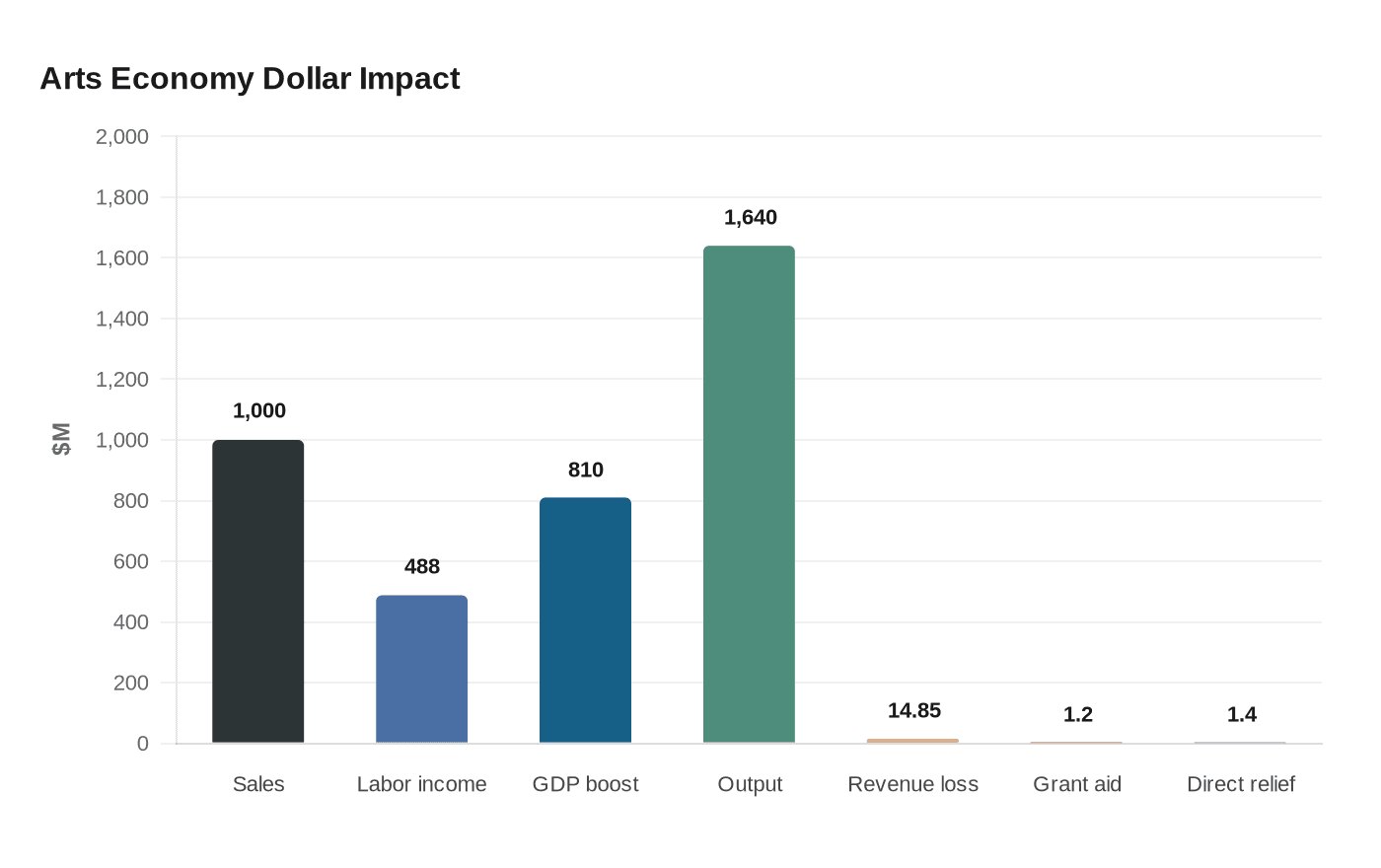
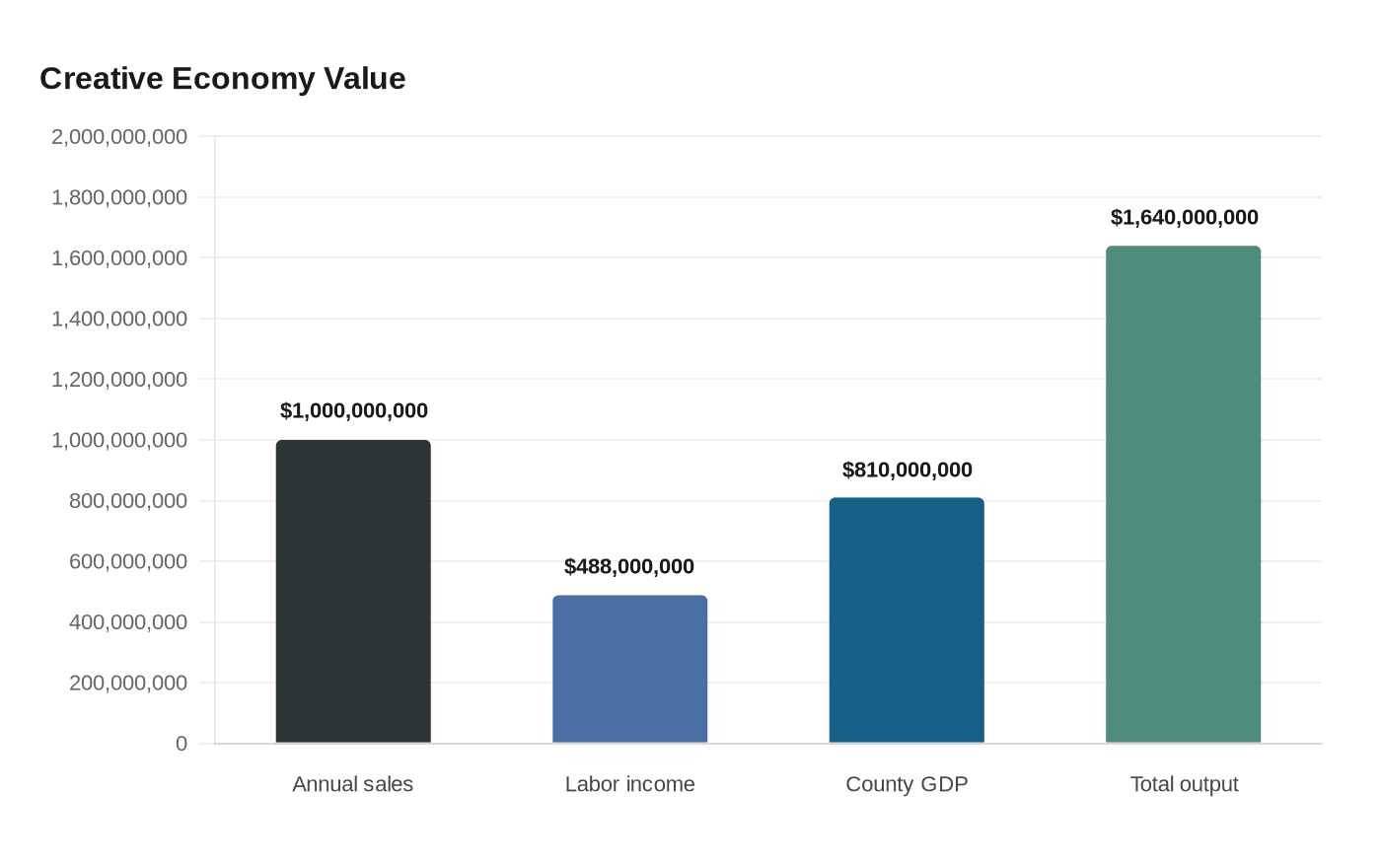
The economic context is large. ArtsAVL says Buncombe County’s creative economy spans eight sectors, generates $1 billion in annual sales and supports nearly 8,500 jobs. In complementary studies, the organization said creative industries supported 9,203 jobs in 2023, generated nearly $488 million in labor income, boosted county GDP by $810 million and produced $1.64 billion in total output. That is why Helene’s damage reached well beyond the arts sector itself: ArtsAVL says the storm significantly affected more than 570 arts businesses and cultural assets in Buncombe County, caused a 70% drop in visitor spending and pushed Buncombe County to the highest unemployment rate in North Carolina after the county had been tied for the state’s lowest rate at 2.5% in September 2024.
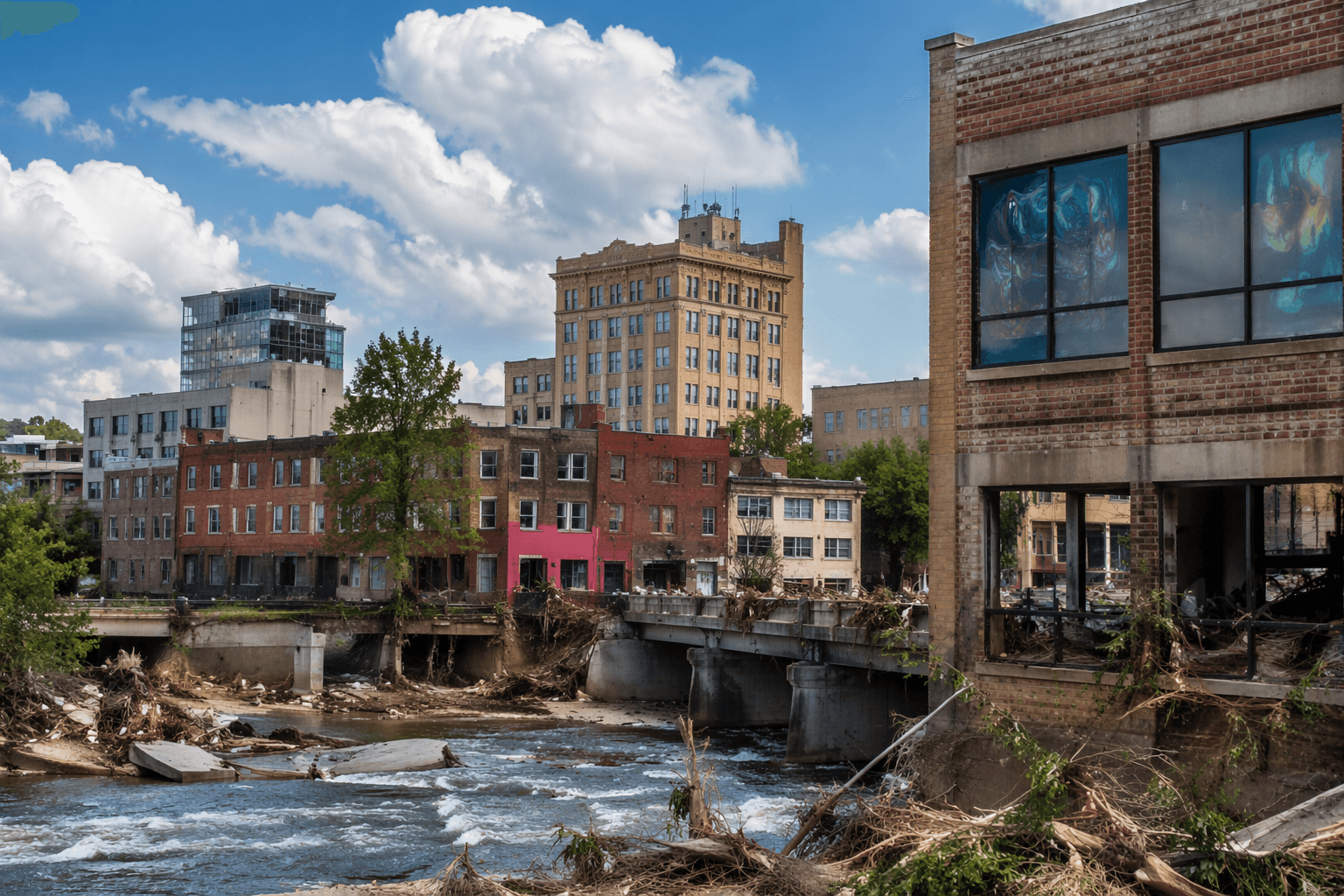
The River Arts District took one of the hardest hits. ArtsAVL has said Helene damaged about 80% of the district, which it previously described as home to 26 warehouses and more than 300 artists. A separate survey found 208 local arts businesses suffered an estimated $14.85 million in revenue losses between Sept. 26 and Dec. 31, 2024. For artists and venues, that means the recovery framework is not just about restoring a cultural identity. It is about getting back the physical spaces, audience traffic and business conditions that drive gigs, exhibitions and spending across Asheville’s tourism economy.
ArtsAVL said the framework was shaped by nearly a year of research, stakeholder engagement, interviews and focus groups with Buncombe County Government, the City of Asheville, Explore Asheville, the Asheville Area Chamber of Commerce and Lord Cultural Resources, with hundreds of artists, cultural organizations, creative businesses and other stakeholders involved. The organization has also been pushing separate recovery aid, including a $1.2 million nonprofit arts recovery grant program to be distributed over two grant cycles in 2026 and 2027, and more than $1.4 million in direct relief across 26 Western North Carolina counties. At the brunch, ArtsAVL also honored the late Andrea Clark, the photographer, historian and archivist who preserved Asheville’s Black history and cultural memory, and said the 2026 John Cram Arts Leadership Award would be dedicated to her memory.
This article was produced by Prism’s automated news system from verified source data, official records, and press releases, then run through automated quality and moderation checks before publishing. The system is built and supervised by the people who set the standards it runs under. Read our full AI policy.
Know something we missed? Have a correction or additional information?
Submit a Tip
