Asheville Activates Code Purple Shelters Ahead of Late-March Cold Snap
A late-March cold snap sent Asheville's Code Purple network into action Friday, opening emergency overnight shelters for people still without housing after Hurricane Helene.
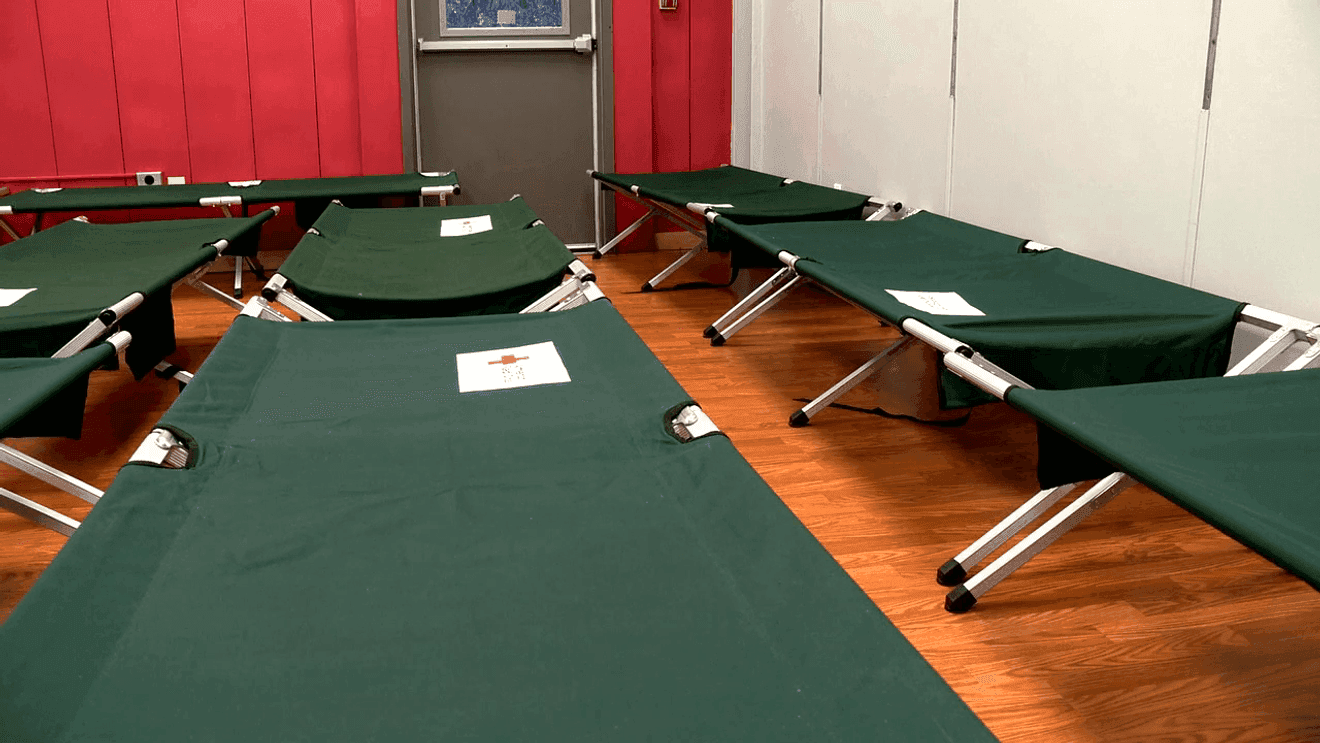
March was supposed to signal a turning point. Instead, a late-season cold snap pushed nighttime temperatures to dangerous lows across Western North Carolina, prompting Asheville and its network of nonprofit partners to activate Code Purple emergency sheltering on March 28.
The activation opened overnight facilities for individuals, couples and, depending on capacity, people traveling with pets. Coordinating the response are ABCCM (Asheville Buncombe Community Christian Ministry), the Salvation Army, A Hope, Our VOICE, and municipal partners who manage logistics spanning security, food service and transportation. Intake procedures and opening times can shift as weather conditions evolve; anyone seeking shelter is encouraged to call 211 or contact facilities directly for current availability.
The late-March timing carries particular weight in Buncombe County, where Hurricane Helene left hundreds without stable housing. For those still without a permanent roof nearly 18 months after the storm, a cold snap that arrives just as most residents retire their winter coats becomes a genuine medical threat. Hypothermia can develop in temperatures well above freezing, especially for people sleeping outside with limited gear.
Behind each Code Purple activation is a substantial operational lift. Participating organizations must staff overnight shifts, arrange food service, secure facilities and coordinate transportation for people who cannot reach shelters independently. Community volunteers and donations routinely absorb the surge in demand, and providers say that civic support remains essential to sustaining services through unpredictable late-season cold stretches.
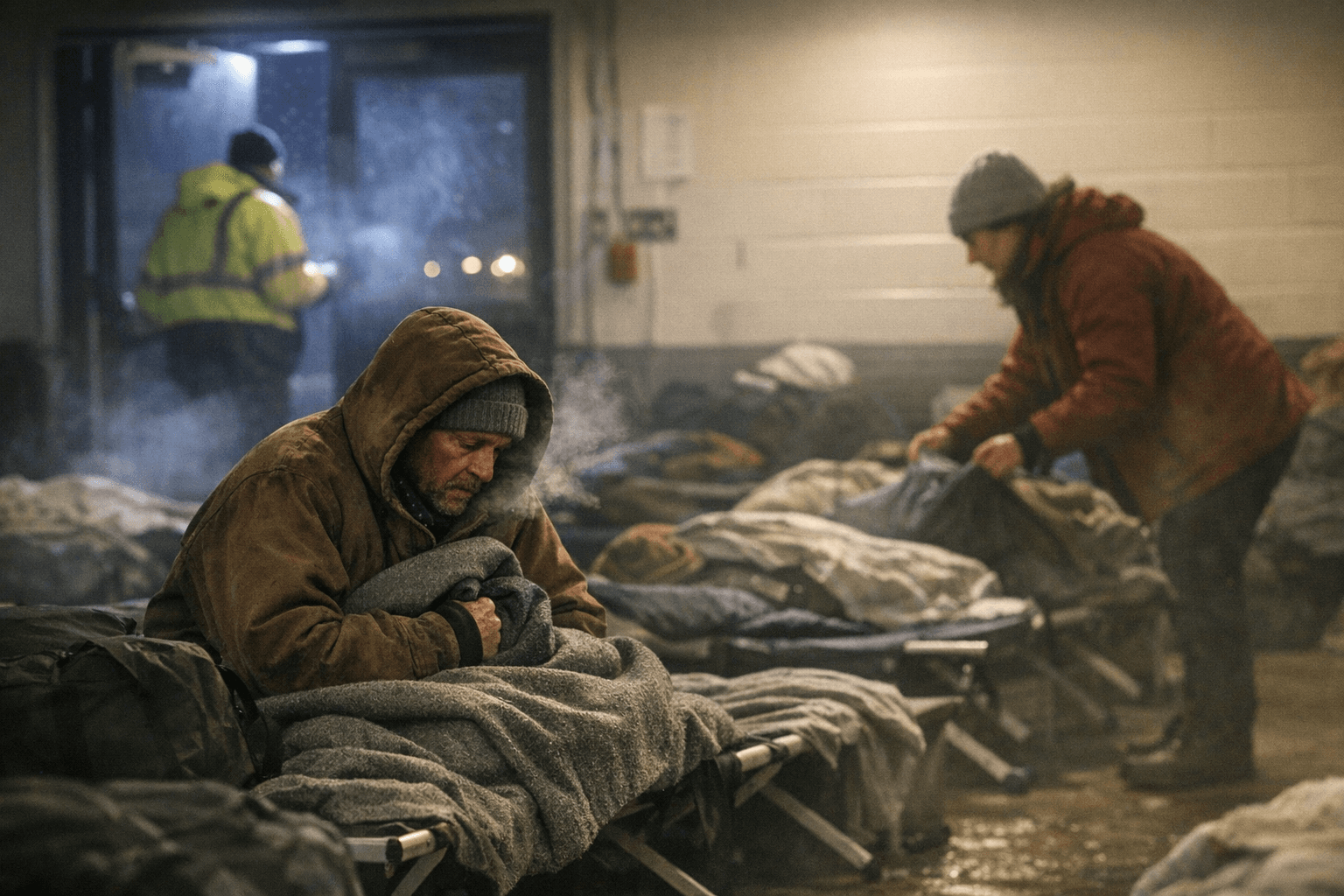
Officials are monitoring conditions and can extend Code Purple operations if temperatures stay dangerous beyond the initial forecast window. Residents are encouraged to pass shelter information along to neighbors who may need it.
City and nonprofit leaders have used activations like this one to press a longer argument: each cold-weather emergency surfaces a population that longer-term housing and outreach programs have not yet reached. Until Buncombe County closes that gap, the Code Purple network will keep answering calls that spring, in theory, should no longer require.
This article was produced by Prism’s automated news system from verified source data, official records, and press releases, then run through automated quality and moderation checks before publishing. The system is built and supervised by the people who set the standards it runs under. Read our full AI policy.
Did this article answer your question?