Asheville bars and breweries plan World Cup watch parties
Olde London Road in the River Arts District set aside 50 reserved spots for each World Cup game, as Asheville bars and breweries bet on packed screens and stronger sales.
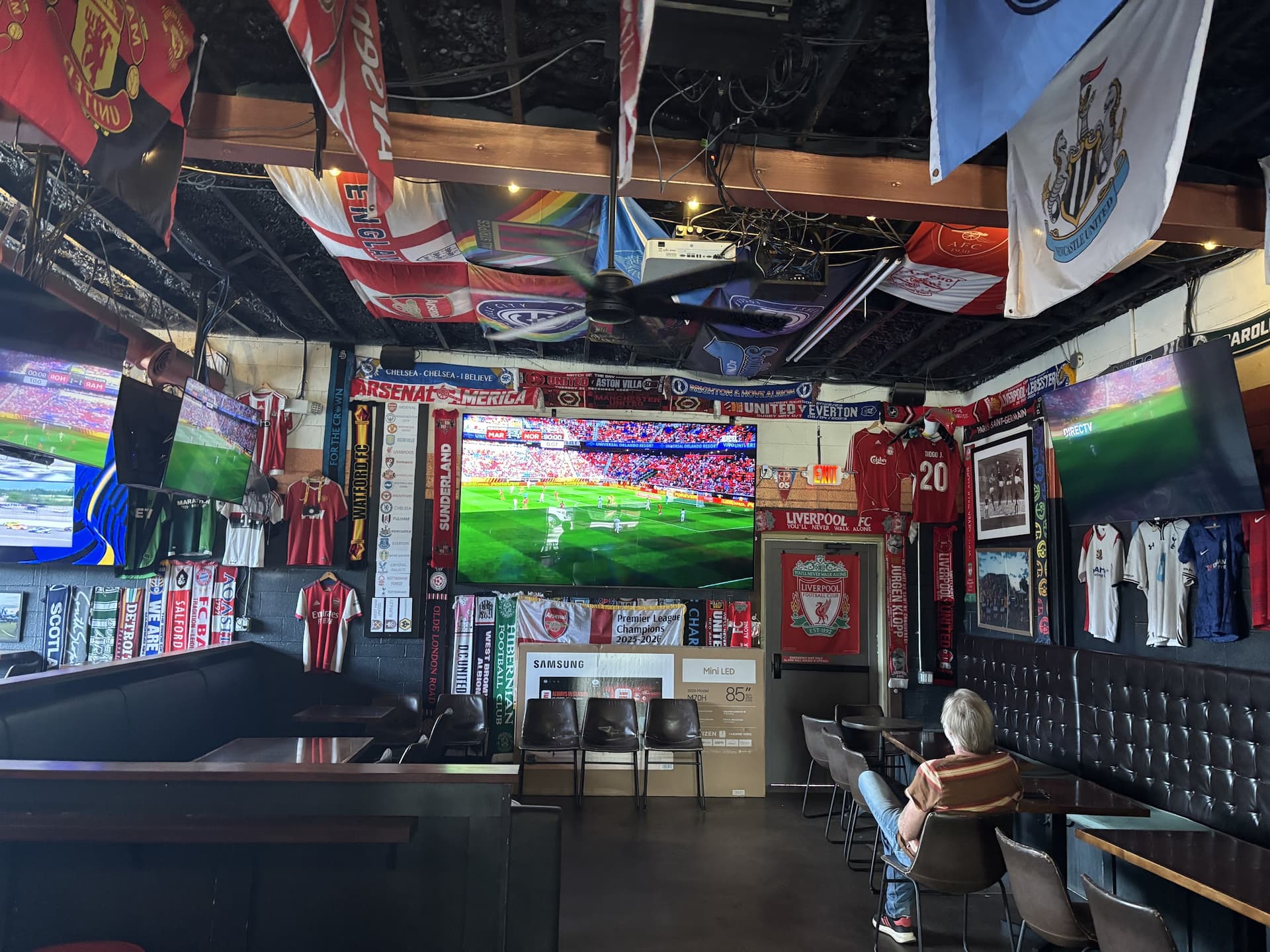
Asheville bars and breweries were turning the 2026 FIFA World Cup into a straight business bet: fill seats, push drinks and keep weekday traffic coming through the door. Olde London Road in the River Arts District said it would show every match and reserve 50 spots for each game, one of the clearest examples of how local venues were trying to cash in on a tournament spread across the United States, Canada and Mexico.
For Asheville operators, that kind of watch party is more than a fan service. It is a chance to turn a global sports calendar into predictable revenue during the kind of hours that can be soft for restaurants and bars, especially late nights and midweek broadcasts. The payoff is simple: packed TVs, longer stays and more orders from people who might otherwise watch at home.
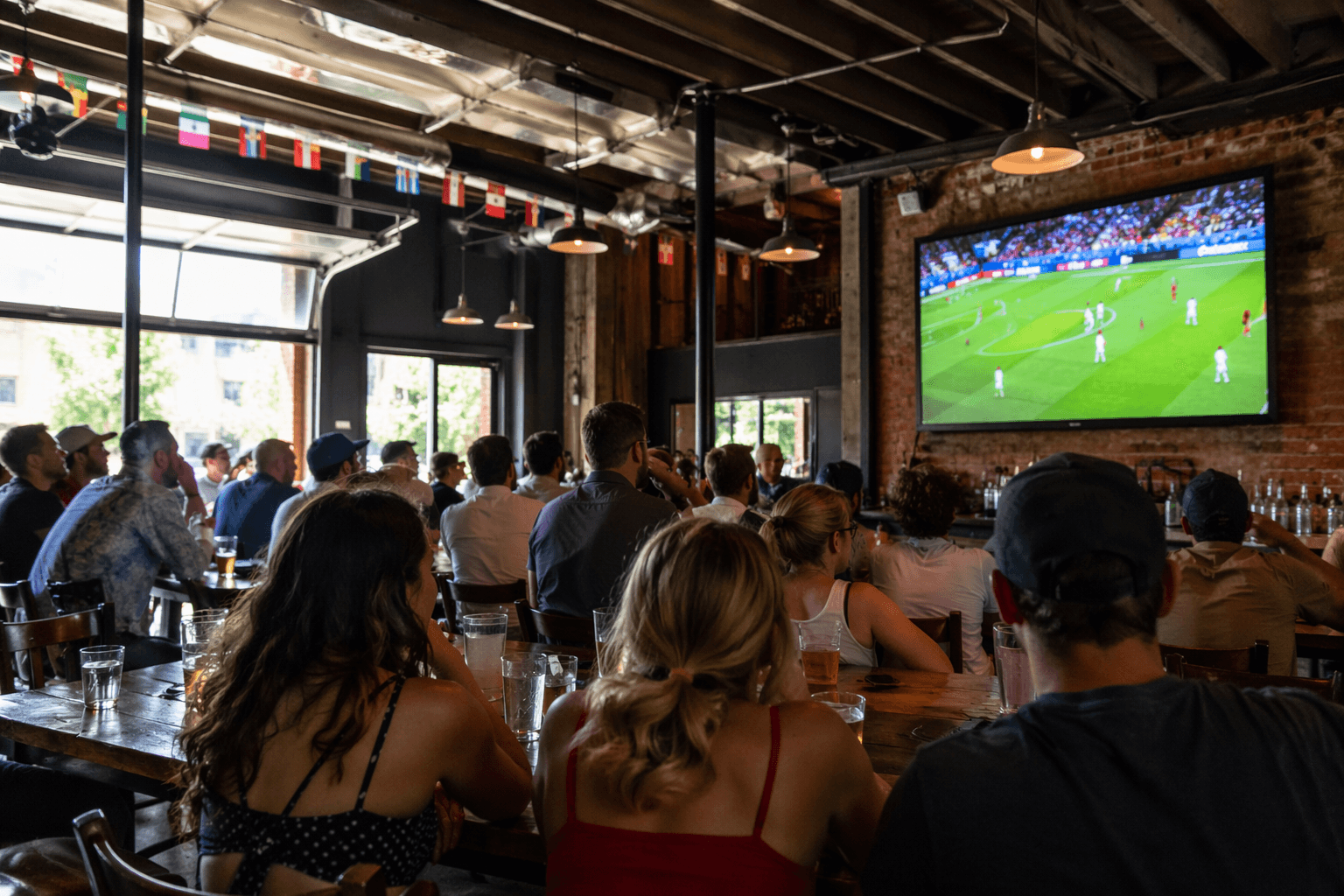
The draw also fits Asheville’s hospitality economy, where breweries and sports bars regularly absorb the city’s biggest public gatherings. In the River Arts District and downtown, the World Cup gave venues another reason to pull people into commercial corridors that rely on repeat foot traffic and group outings. For some businesses, the tournament was shaping up as a neighborhood community play. For others, it was another crowded event-calendar gamble, with the hope that soccer fans would linger long enough to lift sales beyond a single night’s crowd.
The appeal was not limited to one spot. Local bars and breweries across town were preparing prime TV viewing and watch parties, trying to convert international matches into local spending and social energy. That matters in Asheville, where venues have long leaned on concerts, festivals and sports events to keep rooms full and cash registers moving.
The World Cup’s scale gives that strategy a built-in boost. Even in a city that often markets itself on food, beer and live events, a tournament of this size can create a temporary surge in demand for reserved seating, staffing and screen-heavy gathering spaces. Olde London Road’s plan for every match and its 50 reserved spots per game showed how seriously some operators were treating the opportunity: not as a one-off watch party, but as a full run of business across the tournament.
This article was produced by Prism’s automated news system from verified source data, official records, and press releases, then run through automated quality and moderation checks before publishing. The system is built and supervised by the people who set the standards it runs under. Read our full AI policy.
Did this article answer your question?


