Asheville budget hearing draws criticism over council financial oversight
Residents used Asheville’s budget hearing to question whether council can manage the city’s finances before taxes and cuts are locked in.

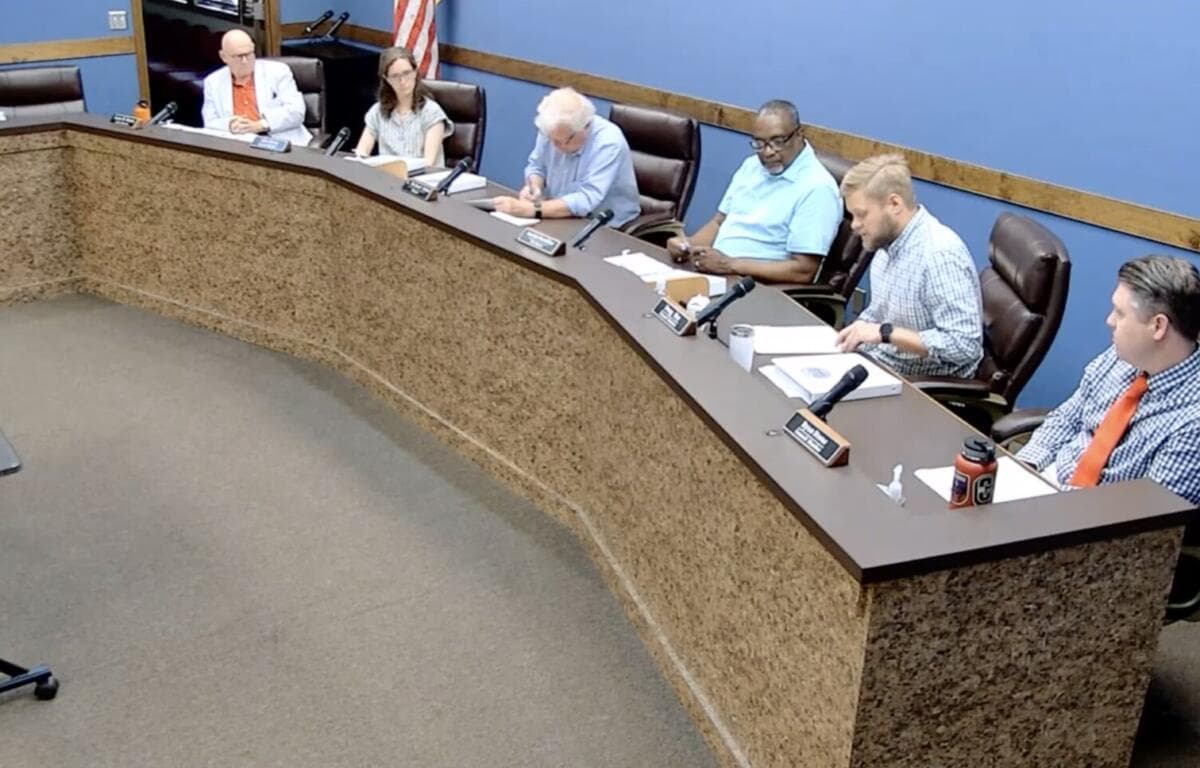
Asheville residents turned a public hearing on the city’s next budget into a broader challenge to City Council’s financial oversight, arguing that the real issue was not just how much money the city should spend, but whether leaders had managed Asheville’s finances responsibly enough to earn public trust.
The May 27 hearing came as council weighed a proposed fiscal year 2027 budget shaped by a projected $26.4 million gap between revenues and expenses, an early forecast that had first been described in January as a nearly $30 million General Fund shortfall. City officials have also said the budget pressure was made worse by one-time fixes in the current year plan, including a $5 million FEMA loan, along with rising health-care costs, state-mandated retirement increases and slower sales-tax growth.
Former vice mayor Chris Peterson delivered one of the sharpest rebukes, calling the budget a disaster and criticizing the council’s stewardship. His comments reflected a larger frustration among speakers who used the hearing to question whether Asheville’s leaders had done enough to confront the city’s long-running fiscal problems before asking residents to absorb more pain through taxes, staffing changes, service cuts or delayed capital work.

The stakes are immediate. One report said the proposed FY2027 budget was 7.5% higher than the adopted FY2026 budget and would generate $106.47 million in property-tax revenue, a 16.3% increase over the prior year’s adopted budget. To keep the city’s fund balance steady, officials have been discussing a property-tax increase of 3.21 to 3.27 cents. That comes after Asheville already approved a 3.26-cent increase in June 2025, a hike that was described as 7.9% and would have cost the owner of a $350,000 home about $114 more a year.
Council’s budget fight is also part of a longer pattern. In June 2024, Asheville City Council approved a $250 million budget in a divided vote and adopted a 0.63-cent property-tax increase for staff compensation. Since then, the city has been navigating storm-related pressures and the same kinds of tradeoffs facing Buncombe County and other local governments across Western North Carolina, where Tropical Storm Helene damaged the property-tax base and complicated recovery planning.

The public hearing suggested that for many residents, the question is no longer only whether Asheville can close its gap. It is whether the city’s budget process gives the public any meaningful chance to influence spending before the choices are effectively locked in. Council is scheduled to vote on the budget at its June 9 meeting.
This article was produced by Prism’s automated news system from verified source data, official records, and press releases, then run through automated quality and moderation checks before publishing. The system is built and supervised by the people who set the standards it runs under. Read our full AI policy.
Did this article answer your question?