Asheville bus riders fear impact of major route overhaul
Asheville riders who depend on ART for work, chemo and groceries feared the overhaul could trade familiar stops for 15-minute service in stronger corridors.
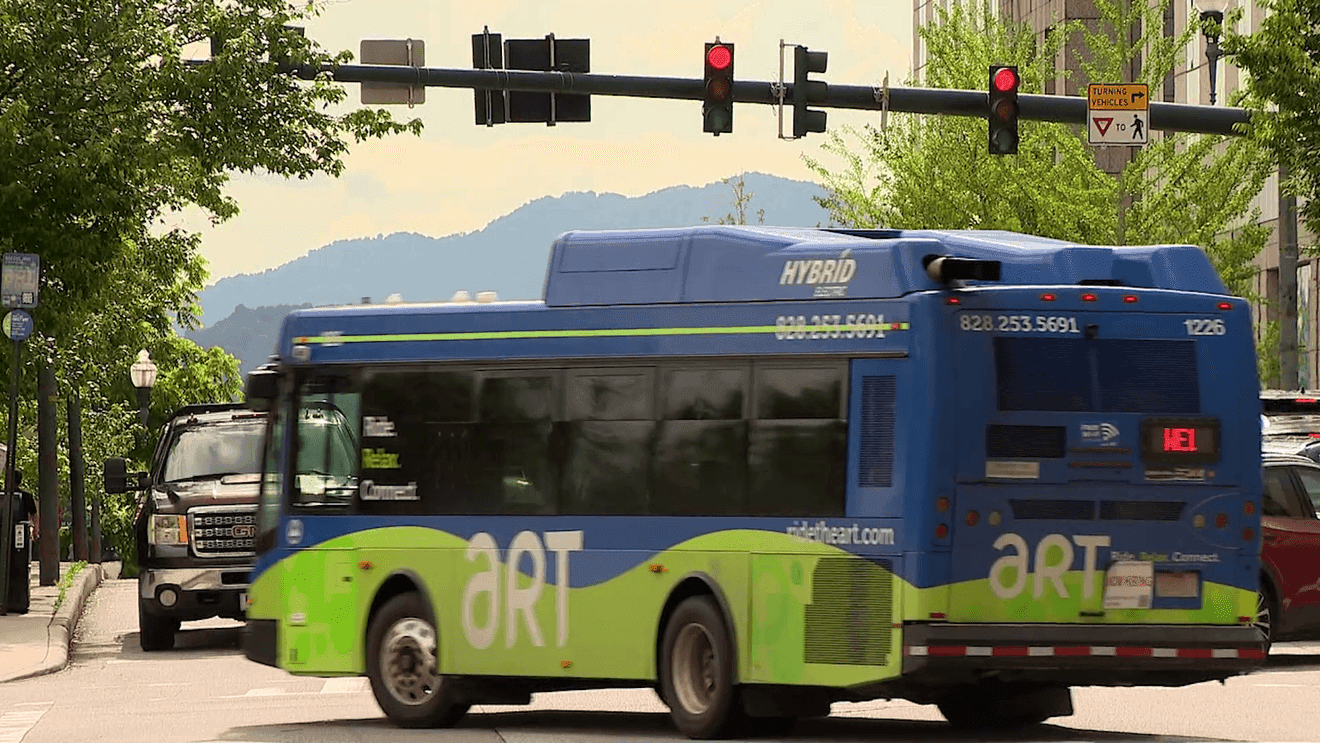
A proposed Asheville bus overhaul could make some ART routes arrive every 15 minutes, but riders who depend on the system for work, cancer treatment and grocery runs fear the city may take away the stops they use most. The debate has become one of the biggest transit changes in years, with daily life in Buncombe County hanging on how far Asheville is willing to shift service.
For riders on the ground, the issue was not abstract. The bus got one man to work. Another rider said aging had made ART his main source of transportation. A cancer patient said late buses could make it hard to get seen at appointments. Those kinds of trips, to jobs, medical visits and stores, show why route changes in Asheville can decide whether people stay employed, keep treatment schedules and handle ordinary errands without a car.

The city launched its ART Comprehensive Operational Analysis on March 12, 2025, and hired Jarrett Walker & Associates to lead the work. Asheville says the study is looking at ridership data, demographic trends, roadway conditions and the effects of Tropical Storm Helene as it tries to make service more efficient and reliable. Public outreach has already gone through an initial round from April to June 2025, a second round in October 2025 focused on the balance between ridership and coverage, and a third round this spring to review the draft network. The city posted that draft on May 21 and opened a five-week comment period.
The draft would push ART toward higher-frequency service, including some routes every 15 minutes, but city officials say that would require pulling service from lower-demand areas to keep the plan cost-neutral and within current resources. Blue Ridge Public Radio reported that the proposed redesign would cut service to the Tanger Outlets in West Asheville, the Social Security Office and Kenilworth Road in East Asheville, the MAHEC campus in South Asheville, and Beaverdam Road and the Omni Grove Park Inn in North Asheville. The same reporting said 31% of Asheville jobs would be near 15-minute service in the draft plan, while no current route reaches that frequency.
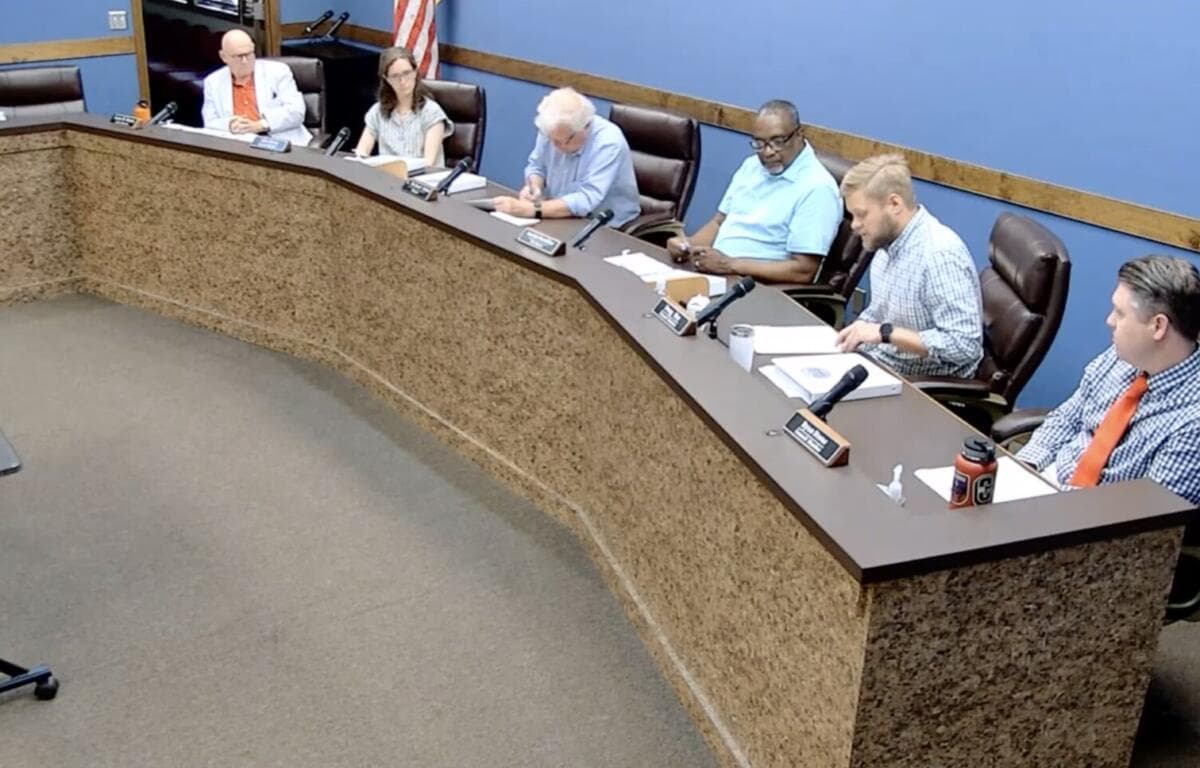
The tradeoffs have already drawn pushback from Asheville City Council. Kim Roney warned that cutting buses along Haywood Road and Charlotte Street could complicate denser development plans, and Vice Mayor Antanette Mosley said reduced service in Kenilworth would hit low-income residents and make it harder for workers to reach the Grove Park Inn. City staff say the redesign tries to protect lower-income neighborhoods and public housing areas while improving access to job centers.
Public input on the draft network is open through June 28. Staff are expected to bring recommendations to council later in 2026, and the city says no final changes would take effect until July 2027 at the earliest. For Asheville riders, the choice is now clear enough to feel at the bus stop: more frequent service in some places, or broader coverage that keeps more neighborhoods connected.
This article was produced by Prism’s automated news system from verified source data, official records, and press releases, then run through automated quality and moderation checks before publishing. The system is built and supervised by the people who set the standards it runs under. Read our full AI policy.
Did this article answer your question?